
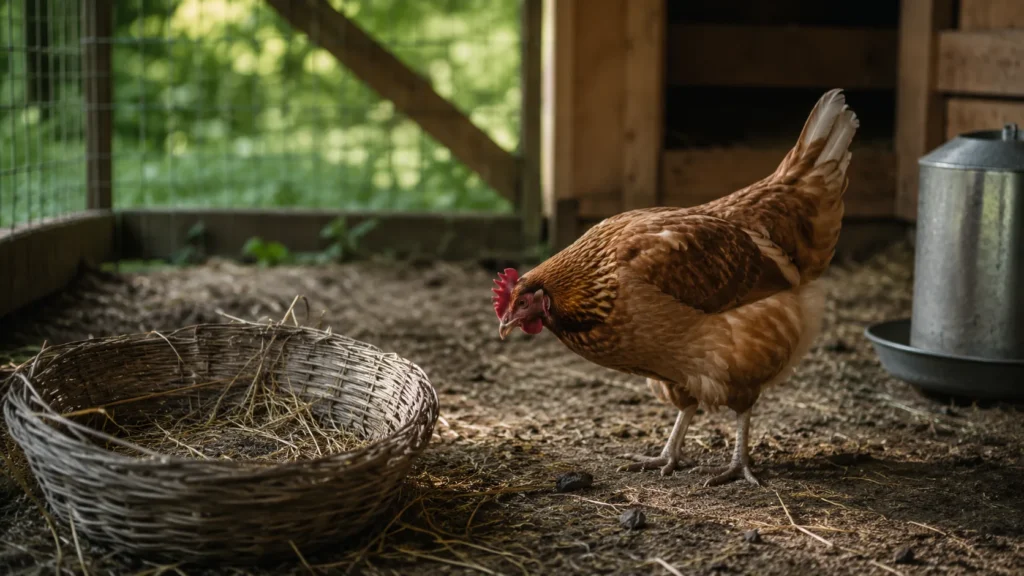
A chicken not laying eggs is usually dealing with a normal pause, not a permanent problem. The most common reasons are age, seasonal daylight changes, stress, poor nutrition, molting, broodiness, or illness.
This guide explains how to figure out what is causing the issue, what to fix first, and how to tell when you need a closer look. It is written for backyard keepers who want practical, tested steps instead of guesswork.
What Makes a Chicken Not Laying Eggs?
Egg laying is a high-energy process, so hens stop when their bodies decide conditions are not right. Short days, low-protein feed, heat stress, a molt, or a recent move can all interrupt production.
Sometimes the answer is simple: pullets are not old enough yet, or older hens have naturally slowed down. Other times the cause is management-related, such as too little nesting privacy, dirty bedding, or a coop that is overcrowded.
The key is to separate normal pauses from true problems. If a hen is eating, active, and her comb and vents look healthy, she may just need better conditions and time.
Expert tip: Track each hen’s age, molt, and laying history on a calendar; patterns are often clearer than symptoms on any single day.
The Core Checklist for a Chicken Not Laying Eggs
Start with the basics before you assume something is wrong. Most laying drops can be traced to one or more of these five areas: age, light, nutrition, stress, and health.
Use the checklist below to sort the most common causes in order of likelihood. This gives you a faster path to a fix and helps you avoid unnecessary supplements or treatments.
| Check | Amount/Spec | Why it matters |
|---|---|---|
| Age | Under 18–24 weeks or over 2–3 years | Young hens have not reached lay, and older hens often slow down naturally. |
| Daylight | About 14+ hours of light for reliable production | Hens usually reduce laying when days shorten, especially in fall and winter. |
| Feed | Balanced layer ration, fresh water, calcium source | Low-protein or incomplete diets can shut down egg production. |
| Stress | Predator pressure, flock changes, heat, noise, relocation | Stress often causes an immediate pause in laying. |
| Molting | Loose feathers, regrowth, lower appetite | Molting redirects nutrients away from eggs and into new feathers. |
| Health | Weight loss, lethargy, pale comb, dirty vent, straining | Illness, parasites, or egg-binding can stop laying and need prompt attention. |
If you only do one thing first, review feed and daylight together. Those two factors explain a large share of seasonal laying changes and are the easiest to correct.
Step-by-Step: What to Do When a Chicken Not Laying Eggs Shows Up
Step 1: Confirm the hen is actually old enough. Many pullets do not begin laying until roughly 18 to 24 weeks, and some breeds start later. If you bought “point of lay” birds, verify their hatch date instead of assuming they are delayed.
Step 2: Check whether the flock is in a seasonal pause. Reduced daylight commonly lowers egg output, and some hens stop altogether in winter. The USDA’s climate and daylight patterns help explain why laying often changes with the season, especially in regions with shorter winter days.
Step 3: Review what they are eating. Hens need a complete ration, not just scratch or kitchen scraps. If you need a refresher, Cedar & Cluck’s guide to what to feed chickens explains the basics of balanced daily nutrition.
Step 4: Look for stressors in the coop and run. Recent moves, new flock mates, overcrowding, loud dogs, or predators nearby can all interrupt laying. If the coop feels tight, compare it with Cedar & Cluck’s advice on how big a chicken coop should be so every hen has space to rest and lay comfortably.
Step 5: Inspect the hens physically. Check for pale combs, dirty vents, lethargy, limping, swelling, or heavy feather loss. These signs can point to parasites, molt, or a reproductive issue that needs attention.
Step 6: Improve nesting conditions. Hens often refuse boxes that are too bright, dirty, or crowded. The University of Kentucky Cooperative Extension recommends comfortable, private nesting areas, which is why well-bedded chicken nesting boxes matter more than many keepers realize.
Step 7: Give it time, then watch the pattern. If the cause is molt, winter, or a temporary stress event, laying may resume on its own. If a hen still is not laying after conditions improve, or she shows sickness signs, contact a poultry-savvy veterinarian or extension office.
Why Is My Chicken Not Laying Eggs?
People usually ask this when one hen stops suddenly, but the answer is often broader than a single symptom. A hen may stop because her body is conserving energy, her environment changed, or she is entering a normal rest cycle.
Use this comparison to narrow down the most likely situation.
| Option | Best for | What to expect |
|---|---|---|
| Young pullet | Hens under laying age | No eggs yet, then a gradual start with small eggs at first. |
| Winter slowdown | Flocks in short-day seasons | Fewer eggs or a full pause until daylight increases. |
| Molt | Hens dropping feathers | Egg production falls while the bird rebuilds feathers and energy reserves. |
| Stress or illness | Sudden drops after a change | Often accompanied by appetite, behavior, or body-condition changes. |
If the hen looks normal and the flock is otherwise healthy, the most likely answer is usually a temporary environmental or seasonal cause. If she looks unwell, treat it as a health issue first.
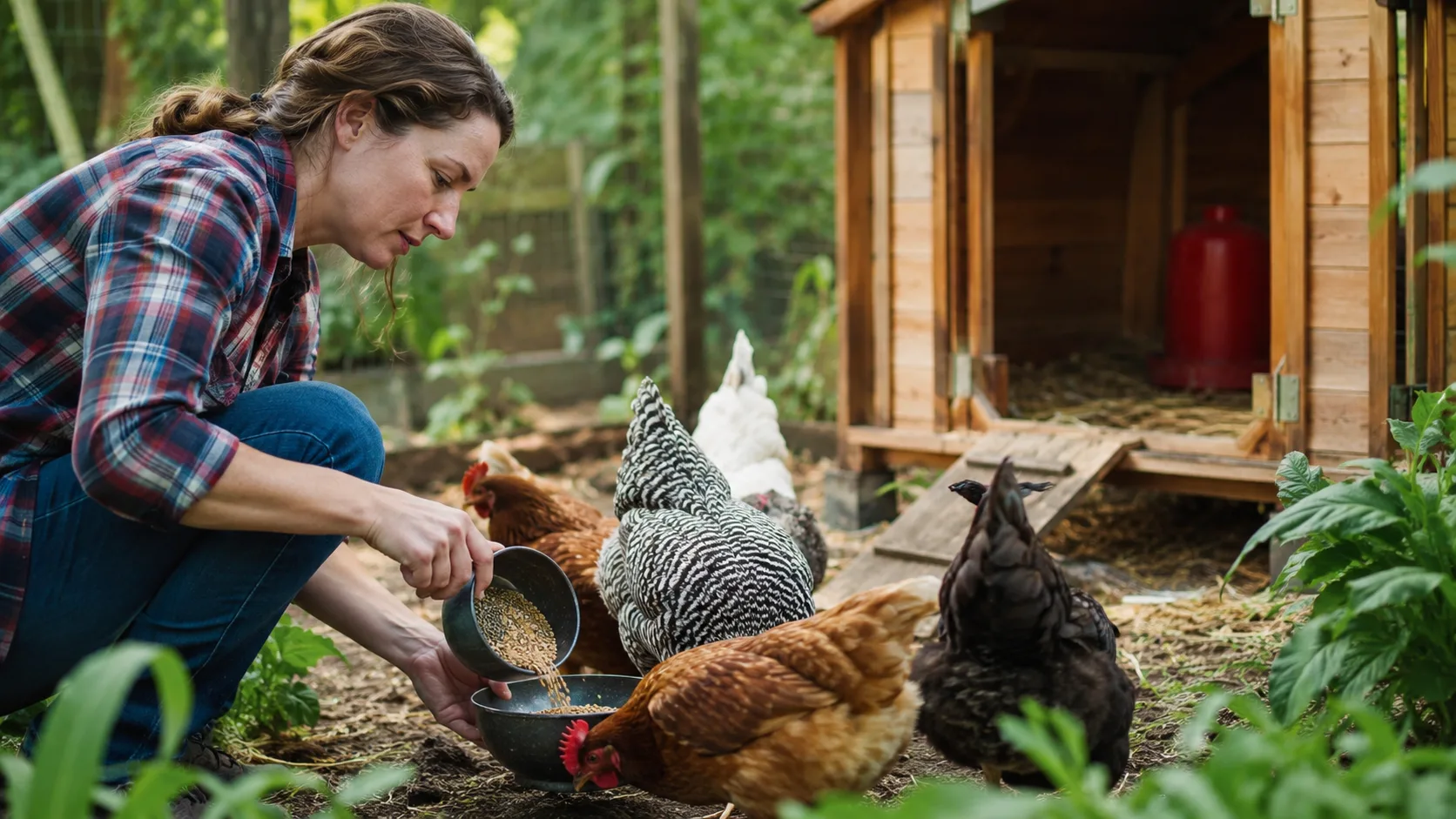
Customization: How to Adapt the Fix for Your Flock
For a young flock: Focus on patience and feeding consistency. Pullets need time to mature, and pushing heavy supplements or extra light too early can backfire by stressing their systems.
For a winter flock: Expect lower egg counts and shift your goals to body condition and comfort. Dry bedding, draft control, and a steady ration often matter more than trying to force laying.
For a molting flock: Support feather regrowth with steady nutrition and minimal disruption. Most hens do best when they are left alone, protected from stress, and given time to finish the molt.
For a heat-stressed flock: Prioritize shade, cool water, and airflow. Hens often reduce laying during prolonged hot weather, and recovery usually starts only after they are comfortable again.
For mixed-breed flocks: Compare hens by breed rather than expecting identical production. Some birds are naturally prolific, while others lay less frequently but stay strong and steady over time.
Related Advice for Better Egg Production
Once you solve a chicken not laying eggs problem, the next step is preventing the same setback from returning. Two of the most useful topics to review are do hens stop laying eggs in winter and how often chickens lay eggs.
Those guides help you set realistic expectations for seasonal laying and flock output. If you understand the normal rhythm, it becomes much easier to spot when a real issue needs attention.
Common Chicken Not Laying Eggs Problems and How to Fix Them
| Problem | Likely cause | Easy fix |
|---|---|---|
| No eggs from a young hen | Not yet at lay age | Wait a few more weeks and keep feed, water, and housing steady. |
| Eggs stopped in winter | Short daylight hours | Expect a seasonal dip and focus on nutrition and shelter. |
| Sudden laying drop after a move | Stress | Reduce changes, protect from predators, and let the flock settle. |
| Feathers everywhere | Molt | Support with quality feed and time; production usually returns later. |
| Soft or thin eggs, then none | Diet imbalance or calcium shortage | Switch to a complete layer ration and keep clean water available. |
| Hen straining or fluffed up | Possible egg-binding or illness | Separate her, keep her warm, and call a poultry vet promptly. |
The best fix is usually the simplest one that matches the symptom pattern. If two or more signs point to illness, do not wait for the problem to sort itself out.
Storage and Maintenance for a Healthy Laying Cycle
Healthy laying starts with clean, dry housing and fresh feed storage. The National Poultry Improvement Plan guidance and related USDA poultry resources emphasize disease prevention, sanitation, and flock management as the backbone of poultry health.
Store feed in sealed bins, keep waterers clean, and remove wet bedding before it becomes a problem. A tidy coop lowers stress, discourages pests, and supports better egg production over time.
Make coop checks part of your routine: look for ventilation, nesting box cleanliness, and signs of parasites. If you want to improve the whole setup, Cedar & Cluck’s guides on how to clean a chicken coop and chicken coop size are useful next reads.
Frequently Asked Questions
How long can a chicken stop laying eggs and still be normal?
A hen can stop for weeks or even months if she is molting, wintering, or recovering from stress. As long as she is eating, moving normally, and does not show illness signs, the pause may be part of a normal cycle.
Do hens stop laying eggs when they are stressed?
Yes. Stress is one of the most common reasons for a sudden drop in eggs. Changes in flock structure, predators, handling, heat, and relocation can all interrupt laying quickly.
Can a rooster make hens lay more eggs?
No, a rooster is not required for hens to lay eggs. For the basics, see Cedar & Cluck’s guide to do chickens need a rooster to lay eggs.
Should I add more light to get eggs back?
Extra light can increase laying in some situations, but it should be used carefully and only with healthy, mature hens. If the flock is stressed, underfed, or molting, light alone will not solve the problem.
What feed is best when hens stop laying?
Use a complete ration matched to their life stage, and make sure clean water is always available. If you are unsure whether your current diet is enough, review Cedar & Cluck’s guide to what to feed chickens.
When should I call a vet?
Call a vet if a hen is lethargic, not eating, straining, swollen, or has a dirty vent and no egg. Those signs can indicate egg-binding, infection, parasites, or another health issue that should not wait.
A Clearer Path Back to Eggs
When a chicken not laying eggs is the problem, the fastest fix is usually to check age, light, feed, stress, molt, and health in that order. That simple sequence prevents overreacting and helps you focus on what actually changes laying.
If you want more practical chicken-keeping help, visit Cedar & Cluck for more beginner-friendly guides that are built for real backyard flocks.
