
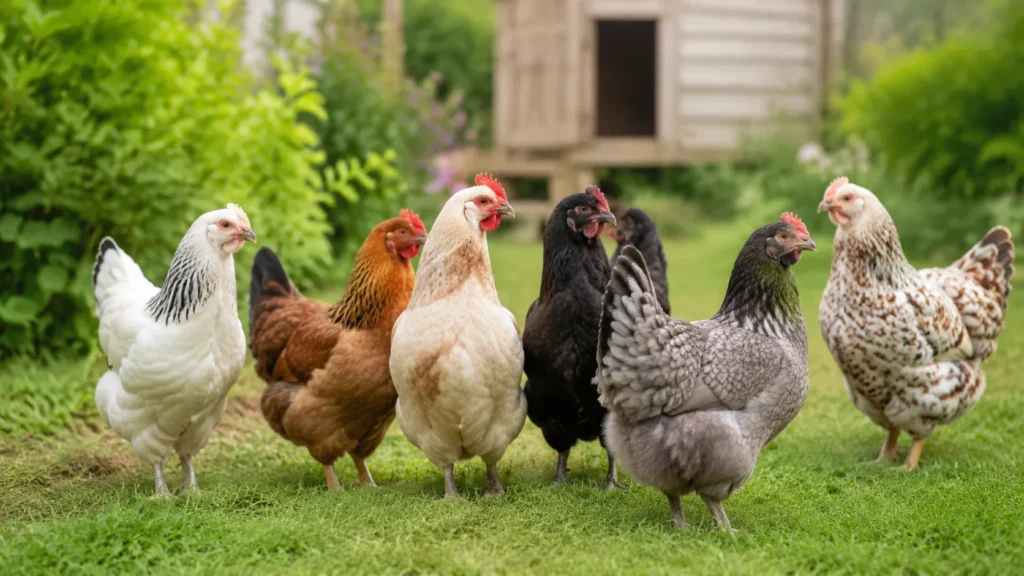
The friendliest chicken breeds are usually calm, people-oriented birds like Buff Orpingtons, Silkies, Australorps, Cochins, and Speckled Sussex. The friendliest results come from a combination of breed temperament, early handling, and steady daily care, not just genetics alone.
This guide explains what makes a chicken breed friendly, which breeds tend to be the gentlest, and how to choose the right bird for your flock. It is for beginners, families with kids, and backyard keepers who want chickens that are easier to handle, calmer around people, and less likely to panic.
What Makes the Friendliest Chicken Breeds So Calm?
Temperament in chickens is shaped by breed history, individual personality, and how the bird is raised. Some breeds were selected for quiet farmyard living and human handling, while others were bred more for production, flightiness, or hardiness in rough conditions.
A friendly chicken is usually one that tolerates routine handling, comes forward for treats, and stays relaxed during coop chores. That does not always mean it will be a lap chicken, but it should be less skittish and easier to manage day to day.
Early socialization matters a lot. Chicks that are handled gently, fed consistently, and kept in a low-stress environment often grow into calmer adults than birds that rarely see people.
One expert tip: the friendliest flock is often made by choosing a naturally calm breed and then raising it with predictable routines from the start.
The Best Friendliest Chicken Breeds for Backyard Flocks
If you want chickens that are known for gentle behavior, start with breeds that have a strong reputation for being easygoing around people. The best choices usually balance sweetness, hardiness, and practical value like egg production or winter tolerance.
| Breed | Typical temperament | Why it matters |
|---|---|---|
| Buff Orpington | Very calm, docile, people-friendly | Often one of the easiest breeds for families and first-time keepers to handle |
| Silkie | Sweet, quiet, tame with regular handling | Excellent for children and close interaction, though not a top layer |
| Australorp | Gentle, easygoing, steady | Good choice if you want friendliness plus strong egg production |
| Cochin | Placid, fluffy, low-drama | Usually very tolerant of handling and good in mixed-age family flocks |
| Speckled Sussex | Curious, social, usually calm | Often comes to hand for treats and adapts well to backyard life |
| Plymouth Rock | Friendly, confident, manageable | A practical dual-purpose bird that tends to do well with routine care |
Buff Orpingtons are often the first breed recommended for friendliness because they are steady and forgiving. Silkies are also famous for being affectionate, though they need more weather protection and are less productive layers than some larger breeds.
Australorps and Plymouth Rocks are especially useful if you want birds that are both pleasant and practical. Speckled Sussex and Cochins are excellent middle-ground options for keepers who want social birds without sacrificing hardiness.
How to Choose Friendliest Chicken Breeds for Your Flock
Start with your purpose: Decide whether you want pets, eggs, or a balanced flock. A breed that is very cuddly may not be the most productive layer, while a high-output breed may still be friendly enough for daily care.
Match the breed to your household: If children will help with chores, choose birds known for calm behavior and easy handling. If your flock will live in a busy yard with dogs, noise, or frequent movement, steady breeds often do better than nervous ones.
Think about climate: Some gentle breeds handle cold better than others, and some fluffy breeds need extra care in wet weather. Friendliness is important, but it should not be the only factor.
Consider consistency: The calmest birds usually thrive in flocks with predictable feeding times, clean housing, and enough space. For basics on housing, Cedar & Cluck’s guide to how big a chicken coop should be is a useful companion.
Choose birds from a breeder or hatchery that selects for calm stock: Even within the same breed, some lines are noticeably more people-friendly than others. Ask how the chicks or pullets were raised and whether the flock is handled regularly.
What Are the Friendliest Chicken Breeds for Families?
The friendliest chicken breeds for families are usually Buff Orpingtons, Silkies, Cochins, and Australorps. These breeds tend to be gentle, forgiving, and less reactive when children move slowly and handle them properly.
That said, the most family-friendly bird is not always the tiniest or the fluffiest. A calm, medium-sized hen with good manners can be safer and easier to manage than a nervous bird that looks cute but panics quickly.
| Option | Best for | What to expect |
|---|---|---|
| Buff Orpington | All-around family flock | Friendly, dependable, and easy to handle |
| Silkie | Young children and close interaction | Very tame with handling, but fragile-feeling and less weather hardy |
| Australorp | Eggs plus personality | Calm and productive, with a steady temperament |
| Cochin | Quiet backyard birds | Placid and sweet, though not the strongest layers |
How to Raise Friendliest Chicken Breeds Step by Step
Choose chicks or pullets from calm stock: Ask whether the birds have been handled often and whether the breeder notices strong differences in temperament. Starting with naturally relaxed lines gives you a better chance of ending up with tame adults.
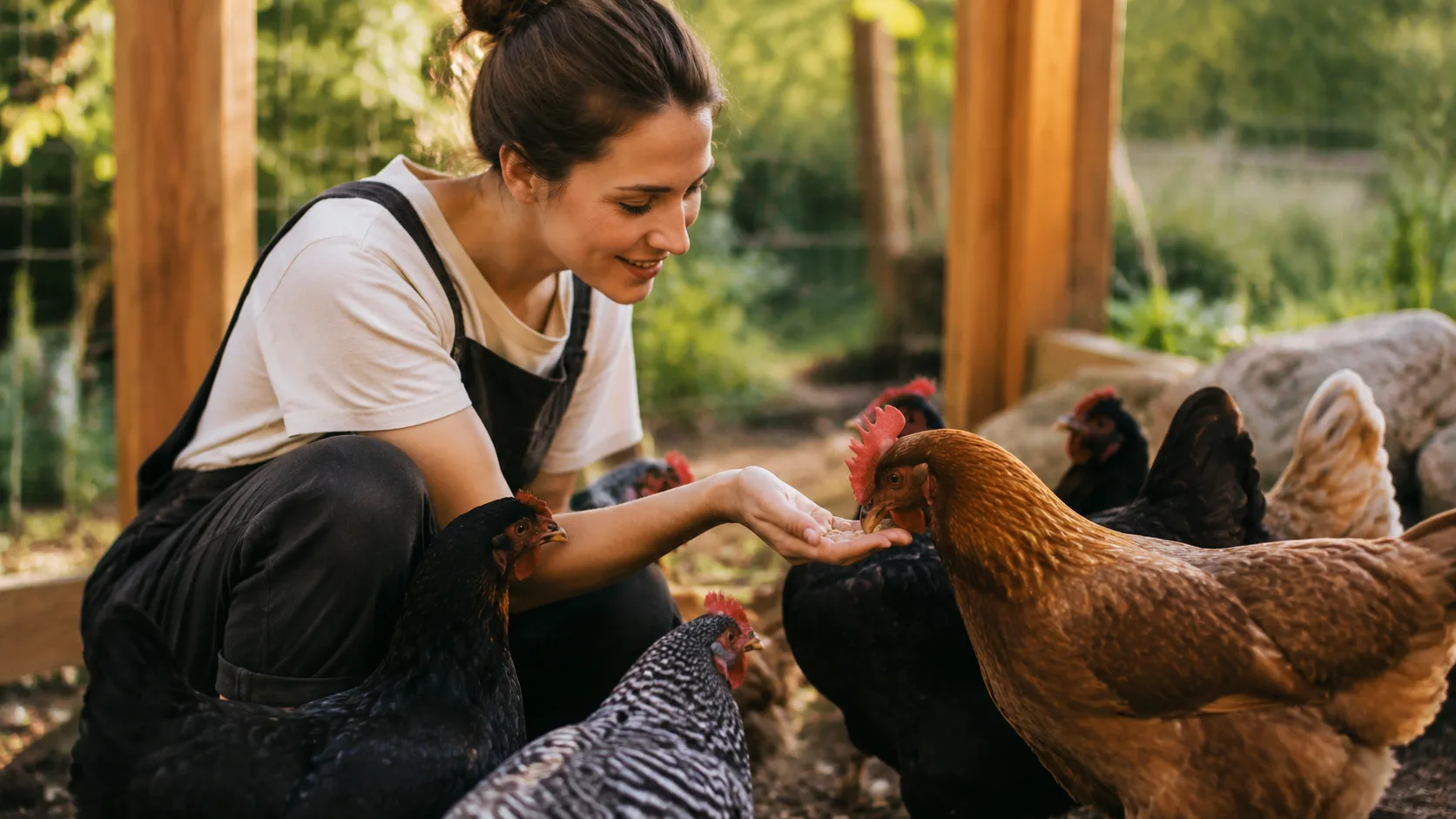
Handle them gently from the start: Short, calm handling sessions teach birds that people are not a threat. Pick them up securely, support their body, and keep sessions brief at first.
Feed on a schedule: Chickens learn quickly when humans bring food, and regular feeding builds trust. A balanced diet is important too, so review what to feed chickens if you are new to flock nutrition.
Use treats wisely: Small treats can help birds associate you with positive experiences, but overfeeding can throw off nutrition. Keep treats limited and use them as training rewards, not as the main diet.
Keep their environment calm: Loud surprises, overcrowding, and poor coop design can make even friendly breeds anxious. The USDA APHIS poultry care guidance emphasizes clean housing, protection from predators, and routine observation, all of which support calmer birds.
Watch their body language: A relaxed bird will move steadily, peck normally, and accept space without bolting. If your chickens are constantly tense, review your handling, flock size, and coop setup before blaming the breed.
Be patient with individual personality: Not every bird in a famously friendly breed will be a lap chicken. Some hens are simply more outgoing than others, and that is normal.
Are Buff Orpingtons the Friendliest Chicken Breed?
Buff Orpingtons are one of the friendliest chicken breeds, and many keepers would put them near the top of the list. They are known for being calm, people-oriented, and easy to manage, especially when raised with regular handling.
Still, “friendliest” depends on your goal. If you want a bird that is affectionate and gentle, Buff Orpingtons are excellent. If you want a bird that is equally friendly but a little more active or more productive, Australorps or Speckled Sussex may fit better.
Related Advice for Choosing and Keeping Gentle Chickens
If you are building your flock from scratch, temperament is only part of the decision. You will also want to think about egg output, coop size, and long-term care so your birds stay healthy and easy to manage.
For a broader short list of beginner-friendly options, see best chickens for beginners. If you are comparing breeds by egg output as well as behavior, best egg laying chickens can help you balance friendliness with productivity.
Common Friendliest Chicken Breeds Problems and How to Fix Them
| Problem | Likely cause | Easy fix |
|---|---|---|
| Birds are skittish around people | Limited handling or loud surroundings | Use slow movements, routine feeding, and short daily interaction |
| A friendly breed turns pecky | Boredom, crowding, or hunger | Add space, enrichment, and a consistent feeding schedule |
| One hen is friendly, the others are not | Individual personality differences | Work with each bird separately and do not assume the whole breed will act the same |
| Birds avoid being picked up | Poor handling experience | Support the body fully and keep handling sessions calm and brief |
| Gentle birds become nervous after coop changes | Stress from new housing or flock changes | Make changes gradually and keep feeding, lighting, and routines steady |
| Friendly hens stop approaching | Health issue or hidden stress | Check for injury, parasites, bullying, or feeding problems |
If your chickens are not acting friendly, do not assume the breed is the problem. Most behavior issues improve when the flock has enough space, proper feed, and a predictable routine.
How to Keep Friendly Chickens Friendly Over Time
Friendly behavior is easier to maintain than to rebuild, so consistency matters. Birds that live in a clean, roomy coop, get regular feed and water, and are handled calmly are more likely to stay relaxed as they mature.
The University of Florida IFAS poultry resources stress the value of good management, including sanitation, ventilation, and low-stress care. Those basics do not just support health; they also reduce fear and make chickens more cooperative during chores.
As birds age, their personalities may mellow or become more cautious. Keep routines steady, avoid rough handling, and separate aggressive flockmates early if needed so the calm birds do not get pushed out.
Frequently Asked Questions
What is the friendliest chicken breed for beginners?
Buff Orpingtons are often the top pick for beginners because they are calm, hardy, and easy to handle. Australorps are another strong choice if you want a friendly bird with better egg production.
Are Silkies really friendly?
Yes, Silkies are widely considered one of the sweetest chicken breeds. They usually respond well to frequent handling, but they need extra care in wet or cold conditions.
Which chicken breed is best with kids?
Buff Orpingtons, Silkies, and Cochins are all good options for families with children. The best choice depends on how much handling you want and how much weather protection your coop provides.
Can a less friendly breed become tame?
Yes, many chickens become noticeably calmer with regular handling and a predictable routine. Breed matters, but early experience and daily care often matter just as much.
Do roosters affect how friendly hens are?
Sometimes a rooster can make hens more alert or more confident, depending on his temperament. But hens usually become friendly through handling and routine, not because a rooster is present.
How many friendly breeds should I keep together?
It is usually best to mix 2 to 4 calm breeds rather than focus on just one. That gives you variety while still keeping the flock predictable and easy to manage.
A Calm Flock Starts With the Right Breed
The friendliest chicken breeds are the ones that combine a naturally calm temperament with steady, low-stress care. Buff Orpingtons, Silkies, Australorps, Cochins, Speckled Sussex, and Plymouth Rocks are all strong options, but the way you raise them will shape the final result.
Choose a breed that fits your goals, keep routines simple, and handle your birds gently from the start. For more practical chicken-keeping guides from Cedar & Cluck, visit Cedar & Cluck.
