
Choosing the best chickens for beginners doesn’t have to be complicated. Picking your first chickens is the most fun part of getting started — and the easiest place to overthink it. The good news: a handful of breeds are forgiving, friendly, and productive enough that almost any beginner will do well with them. This guide walks through the eight best, what makes each one a good first bird, and how to choose between them.
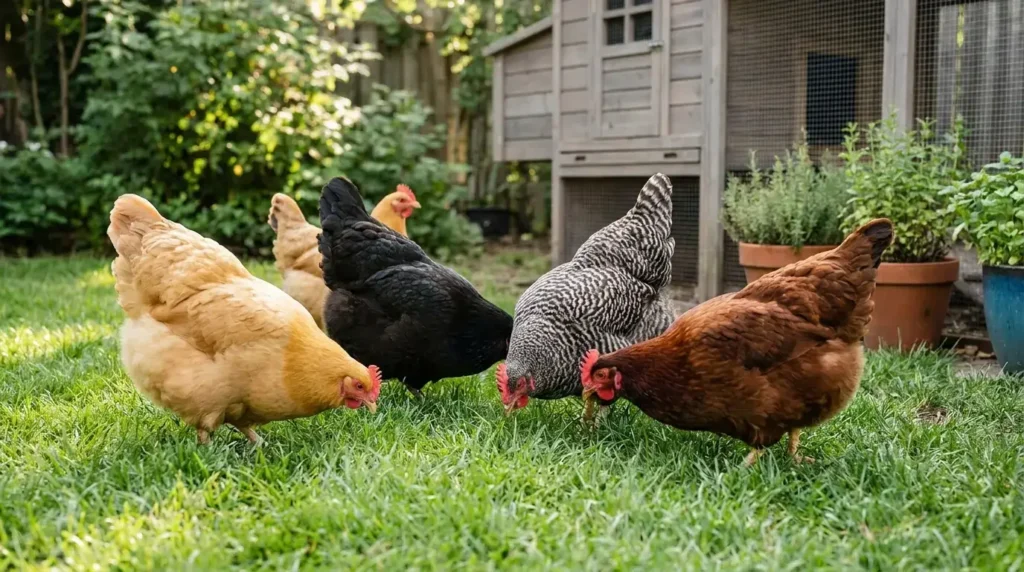
What makes the best chickens for beginners?
Before the list, it helps to know what you’re actually looking for. A great beginner breed checks four boxes:
- Calm, friendly temperament — easy to handle, good around kids, unlikely to be flighty or aggressive.
- Hardiness — tolerates cold and heat, resists common issues, and forgives the small mistakes every new keeper makes.
- Reliable egg laying — a steady supply without needing expert care.
- Wide availability — easy to buy as chicks from most hatcheries and feed stores.
The breeds below all hit those marks. Where they differ is in egg count, looks, and personality — which is where your own preference comes in. All of the best chickens for beginners listed here are easy to find and simple to care for.
The 8 best chickens for beginners
1. Buff Orpington — the friendliest all-rounder
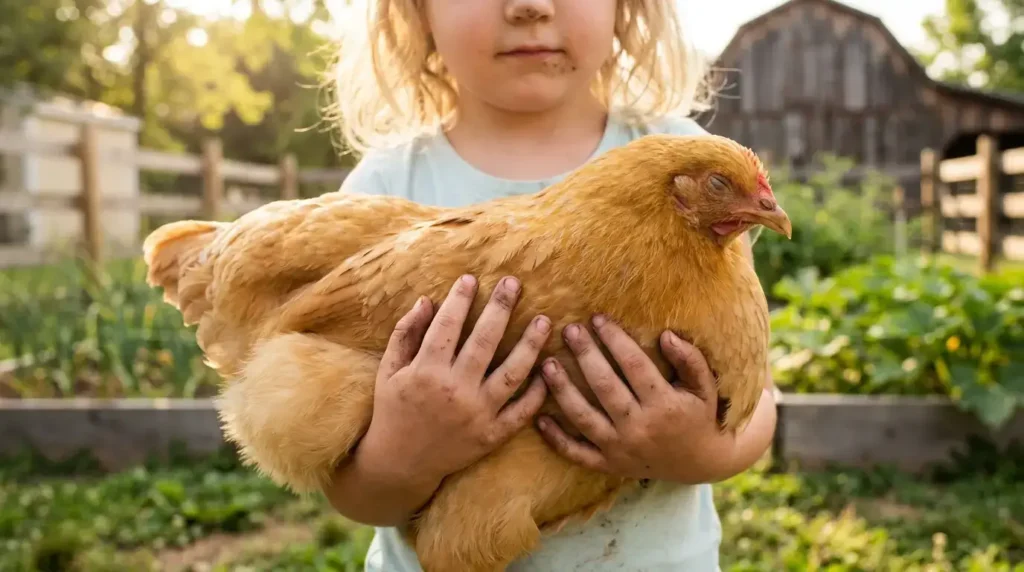
If you want one bird that does everything well, start here. Buff Orpingtons are famously docile and affectionate — often called the “golden retrievers” of the chicken world — which makes them ideal for families with children. They’re heavily feathered and very cold-hardy, and they lay a respectable 200–280 large brown eggs a year, including through much of winter. They also go broody readily and make excellent mothers, so they’re a good pick if you ever want to hatch your own. Their one quirk: that thick fluff means they appreciate shade in hot climates.
Best for: families, beginners who want a calm, cuddly flock.
2. Australorp — the easygoing egg machine
Australorps combine a sweet, quiet temperament with outstanding egg production — roughly 250–300 large brown eggs a year, among the best of any dual-purpose breed. They’re calm, curious, bond well with their keepers, and handle cold weather easily. If your priority is “lots of eggs from a friendly, low-drama bird,” the Australorp is hard to beat.
Best for: beginners who want maximum eggs without sacrificing temperament.
3. Plymouth Rock (Barred Rock) — the dependable classic
The Barred Rock is the bird many people picture when they think “backyard chicken” — black-and-white striped, sturdy, and endlessly easygoing. They lay around 200–280 brown eggs a year, tolerate cold beautifully, and have a relaxed personality that keeps flock harmony. They’re hardy, self-sufficient foragers and a genuinely forgiving first breed.
Best for: cold climates and anyone wanting a tough, low-maintenance classic.
4. Rhode Island Red — the hardy workhorse
Rhode Island Reds are one of the most popular backyard breeds for good reason: they’re exceptionally hardy, excellent foragers, and prolific layers at 220–300 brown eggs a year, even in tougher conditions. The one caveat for beginners: they can be a little more assertive and bossy than the gentler breeds above, especially the roosters. Hens are usually fine, but they’re confident birds rather than lap chickens.
Best for: beginners who prioritize hardiness and egg output over cuddliness.
5. Wyandotte — the beautiful cold-weather bird
Wyandottes are stunning, with laced feather patterns in several color varieties, and they’re built for cold — their rose comb (low and close to the head) is far less prone to frostbite than the tall single combs of other breeds. They lay about 200–250 brown eggs a year. Personality-wise they’re calm but a touch more independent and aloof than an Orpington — friendly, just not as needy.
Best for: cold climates and keepers who want a good-looking, hardy flock.
6. Speckled Sussex — the curious companion
The Speckled Sussex is friendly, inquisitive, and genuinely entertaining — they’ll follow you around the yard. They’re good layers at roughly 250 tinted brown eggs a year and adapt well to backyard life. Their docile nature makes them another strong pick for families with kids.
Best for: families who want personality and a steady egg supply.
7. ISA Brown — the easiest eggs you’ll ever get
ISA Browns are a hybrid layer bred specifically for production, and they deliver: 280–320 large brown eggs a year, often starting young, paired with an extremely friendly, easy-to-handle temperament. They’re arguably the simplest route to a reliable egg basket. The honest trade-off: as a high-output hybrid, they tend to lay intensely for a couple of years and then taper off sooner than heritage breeds, and may have a shorter overall lifespan. Wonderful for eggs; just know they’re more “production layer” than “long-term heritage pet.”
Best for: beginners whose main goal is a steady, generous egg supply.
8. Easter Egger — the colorful crowd-pleaser
Easter Eggers lay gorgeous blue and green eggs and bring real fun to a flock, with friendly, curious personalities that kids adore. They’re hardy and beginner-friendly and lay around 200–280 eggs a year. One thing to understand: an Easter Egger isn’t a standardized breed but a mix carrying the blue-egg gene, so appearance and exact egg color vary bird to bird — which is part of the charm.
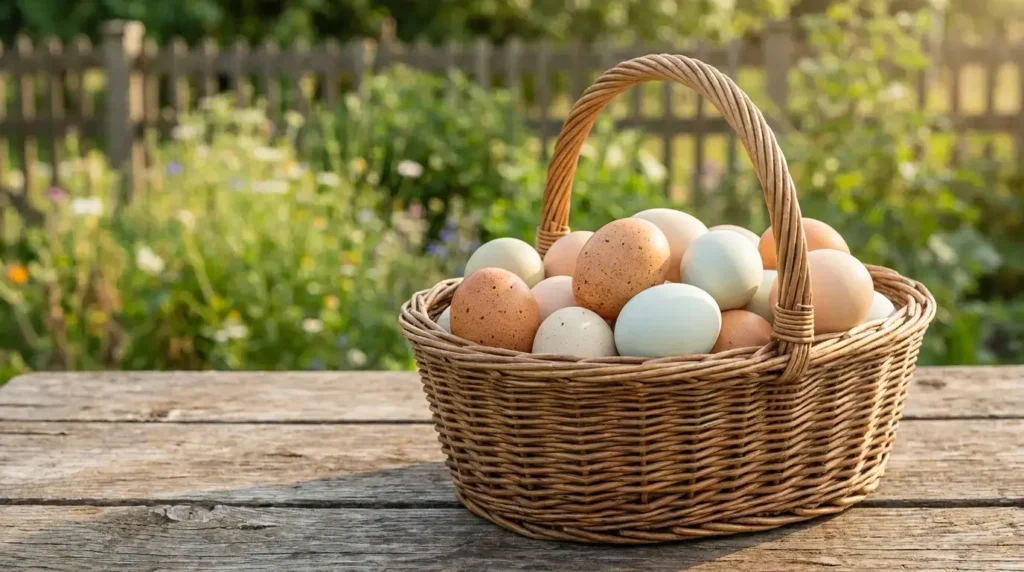
Best for: families and anyone who wants a colorful egg basket.
Quick comparison chart of the best chickens for beginners
| Breed | Eggs/year | Egg color | Temperament | Cold-hardy | Best for |
|---|---|---|---|---|---|
| Buff Orpington | 200–280 | Brown | Very docile | Excellent | Families, all-rounder |
| Australorp | 250–300 | Brown | Calm, friendly | Excellent | Most eggs + friendly |
| Plymouth Rock | 200–280 | Brown | Easygoing | Excellent | Cold climates, classic |
| Rhode Island Red | 220–300 | Brown | Confident, bold | Very good | Hardiness, output |
| Wyandotte | 200–250 | Brown | Calm, independent | Excellent | Cold, good looks |
| Speckled Sussex | ~250 | Tinted brown | Friendly, curious | Good | Families, personality |
| ISA Brown | 280–320 | Brown | Very friendly | Good | Easiest egg supply |
| Easter Egger | 200–280 | Blue/green | Friendly, curious | Good | Colorful eggs, kids |
How many of the best chickens for beginners should you start with?
Most beginners do best starting with three to six hens. Chickens are flock animals and need at least three for company, and a handful of good layers produces plenty of eggs for a typical household without overwhelming you. You can absolutely mix breeds — a flock of three or four different breeds from this list gets along fine and gives you a prettier, more varied egg basket. (Just skip a rooster unless you specifically want chicks; hens lay perfectly well without one.) For more on housing your flock, see our guide to coop sizing, and check the breed profiles at the Murray McMurray Hatchery for extra detail.
Breeds to think twice about as a beginner
A couple of popular breeds are excellent but not ideal first birds:
- Leghorns are champion white-egg layers but tend to be flighty and standoffish — great producers, not great for handling or kids.
- Heritage show breeds and very broody breeds can demand more management than a first-timer wants.
None of these are “bad” — they’re just a better fit once you’ve got a season or two under your belt. Stick with the best chickens for beginners above and you’ll have an easier, more rewarding first year.
Frequently asked questions about the best chickens for beginners
The bottom line: for your first flock, you can’t go wrong with a Buff Orpington or Australorp — calm, hardy, and productive. Add a Speckled Sussex or Easter Egger for personality and colorful eggs, and you’ll have a friendly, low-stress flock that’s a genuine pleasure to keep. Start with three to six, pick the traits that matter most to you, and enjoy it. Any of the best chickens for beginners on this list will reward you with eggs and personality, so pick your favorites and dive in.
