
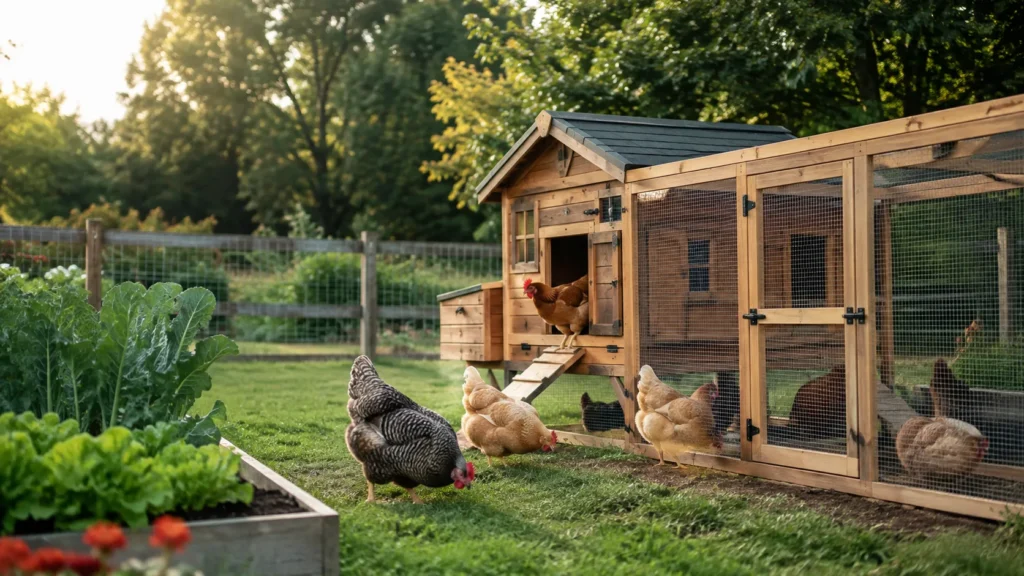
A sale on chicken coops is worth it only if the coop still fits your flock, protects birds from predators, and is easy to clean. A lower price is a good deal when the structure has enough space, ventilation, and durable materials for your climate and chicken count.
This guide shows how to evaluate coop deals before you buy, what features matter most, and how to match a discounted coop to your flock’s needs. It is for new and growing backyard keepers who want practical advice instead of a price-first impulse buy.
What Makes a Sale on Chicken Coops Worth It?
The best coop sale is not the cheapest coop. It is the one that gives you the right size, safe construction, and simple daily care at a lower total cost than buying full price.
Many bargain coops look appealing online, but they can fail in the places that matter most: square footage, roost space, predator resistance, and weather protection. A deal is only a deal if the coop lasts long enough to justify the savings.
For backyard chickens, the most important question is whether the coop will support good health and low stress. Birds that are cramped, drafty, or hard to clean often pay the price long after the discount is gone.
One expert tip: compare the sale price to the cost of upgrading weak parts, such as latches, hardware cloth, or extra nesting space, before you decide it is cheap.
Sale on Chicken Coops: What to Look for Before You Buy
Use the discount as a filter, not the final decision. Start with coop size, because too little space creates odor, pecking, and faster wear on bedding and surfaces.
Then check ventilation, roof coverage, floor height, nesting box layout, and access points for cleaning. A well-built small coop is usually better than a large flimsy one if your local weather is harsh or predators are active.
| Item | Amount/Spec | Why it matters |
|---|---|---|
| Indoor coop space | About 3 to 4 sq. ft. per standard hen | Helps prevent crowding, so birds stay calmer and cleaner |
| Outdoor run space | At least 8 to 10 sq. ft. per hen | Gives chickens room to move when they are not free-ranging |
| Ventilation | High vents with no direct drafts | Reduces moisture and ammonia buildup |
| Roost bars | Enough linear space for every bird to perch comfortably | Supports natural sleeping behavior and limits nighttime stress |
| Nesting boxes | About 1 box per 3 to 4 hens | Helps keep eggs clean and reduces box competition |
| Predator-proof hardware | Rugged latches and welded or hardware cloth openings | Protects birds from raccoons, dogs, and other common threats |
Use the sale to buy a coop that already solves the hard problems. If a discounted coop needs major upgrades to be safe, it may cost more in the end than a sturdier model at regular price.
How to Choose the Right Coop During a Sale on Chicken Coops
Step 1: Count your birds honestly. Base the purchase on how many chickens you have now and how many you realistically expect to keep. Chickens grow quickly, and a coop that fits three pullets may feel cramped with six adult hens.
Step 2: Match the coop to your climate. Cold areas need good protection from wind and wetness, while hot areas need generous airflow and shade. A sale is not helpful if the coop overheats in summer or traps damp air in winter.
Step 3: Check cleaning access. Doors should be wide enough for a rake, bucket, or deep litter shovel to move through easily. If cleaning is awkward, the coop will be harder to maintain and more likely to smell.
Step 4: Inspect materials and fasteners. Look for rot-resistant wood, sturdy framing, and roof materials that hold up to rain and sun. Weak screws, thin wire, and cheap hinges are common reasons a bargain coop falls apart early.
Step 5: Verify predator protection. Raccoons, foxes, dogs, and even rats can exploit weak closures and light wire. The USDA APHIS backyard flock guidance emphasizes basic biosecurity and secure housing as part of keeping poultry healthy and protected.
Step 6: Compare the true cost. Add the sale price, shipping, assembly tools, bedding, upgrades, and any reinforcement materials. This gives you a real total instead of an advertised bargain.
Step 7: Buy for daily use, not just appearance. Features like easy-open egg doors, removable trays, and accessible nesting boxes save time every single week. The best coop is the one that makes care simple enough to do consistently.
People also ask: Is there ever a sale on chicken coops worth waiting for?
Yes, but only if the discount comes on a coop that already meets your flock’s basic needs. The best time to wait is before a seasonal refresh, holiday sale, or end-of-line clearance on a model that has the right size and structure.
Waiting is not worth it if your current coop is too small, unsafe, or falling apart. In that case, the priority is a secure, functional setup now.
| Option | Best for | What to expect |
|---|---|---|
| Seasonal sale | Buyers who can plan ahead | Often the best chance to get a better model for less |
| Clearance model | Shoppers flexible on style | Good pricing, but fewer color or size choices |
| Used coop | Handy keepers who can inspect and repair | Lowest upfront cost, but may need sanitizing and upgrades |
| Budget new coop | Small flocks and first-time owners | Convenient, but quality varies a lot by brand |
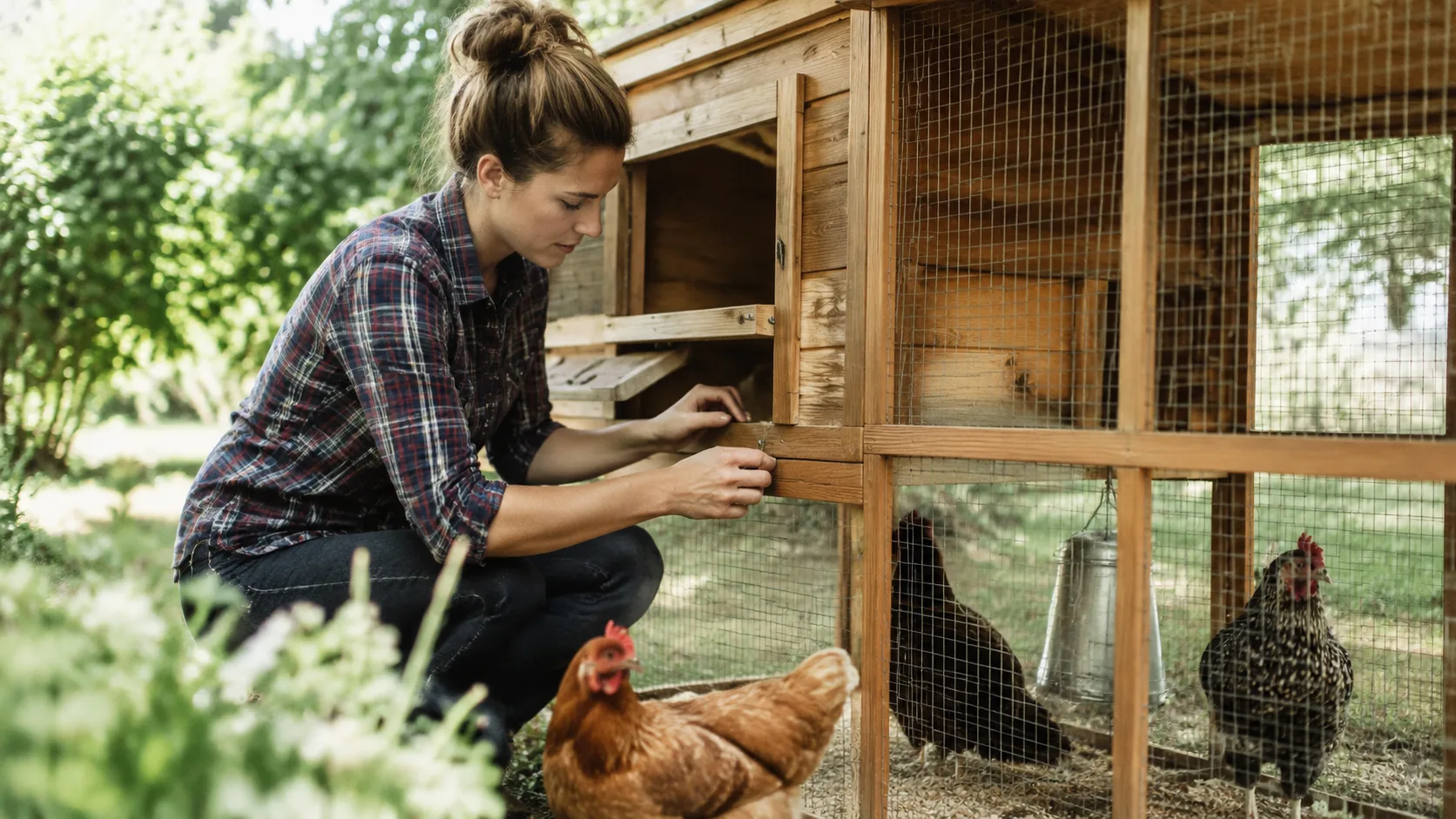
How to Adapt a Sale on Chicken Coops for Your Flock
For a small flock: You can prioritize simplicity and save money on a compact coop, as long as each bird still has enough room. Small coops are easier to clean and usually cheaper to reinforce.
For a growing flock: Buy one size larger than you need today if the sale is strong and the coop quality is good. That extra room reduces the chance that you will outgrow the setup within one laying season.
For a cold climate: Focus on insulation, drafts, roof quality, and a dry floor. Ventilation still matters, but it should move moisture out without blowing directly on roosting birds.
For a hot climate: Choose open airflow, shade potential, and a coop layout that does not trap heat. Covered run space and high vents matter more here than decorative features.
For a low-maintenance setup: Prioritize large access doors, easy-to-clean surfaces, and nesting boxes you can reach without climbing inside. The easier it is to maintain, the more likely you are to keep the coop sanitary.
Practical Pairings for a Better Coop Setup
A coop sale works best when you plan the rest of the setup at the same time. If your birds are still young, read how big a chicken coop should be before you compare models, since square footage is one of the first places bargain coops fall short.
It also helps to think about laying and nesting before you buy. Our guide to chicken nesting boxes explains how box count, placement, and access affect egg cleanliness and daily collection.
When you are comparing a discounted coop to a full build, consider the rest of your flock budget too. Feed, bedding, and repairs can add up fast, so choosing the right structure now can keep your overall costs more predictable.
Common Sale on Chicken Coop Problems and How to Fix Them
| Problem | Likely cause | Easy fix |
|---|---|---|
| Coop smells strong fast | Poor ventilation or overcrowding | Add airflow where safe and reduce bird density |
| Eggs are dirty or broken | Nesting boxes too few, too small, or hard to access | Add better nesting spaces and check bedding more often |
| Birds won’t roost properly | Roost bars are too narrow, too high, or poorly placed | Use wider, stable roosts with enough height and spacing |
| Latches keep failing | Lightweight hardware or weak design | Replace with stronger predator-resistant latches |
| Coop leaks in rain | Cheap roof materials or poor assembly | Seal gaps and reinforce the roof edge |
| Cleaning takes too long | Small doors and awkward layout | Upgrade access points or choose a simpler design next time |
If a sale coop has more than one of these problems, treat the discount with caution. A little repair is normal, but repeated structural weaknesses usually mean the coop was underbuilt from the start.
Storage, Maintenance, and Longevity for Discount Coops
Even a good sale coop lasts longer when you maintain it on a schedule. Empty wet bedding, scrape droppings from roost areas, inspect latches, and look for chew marks or weak spots before they become bigger problems.
Good upkeep also protects your flock from disease and stress. Penn State Extension’s backyard chicken guidance from Penn State Extension reinforces the value of clean housing, proper ventilation, and routine observation for healthy birds.
If you are storing spare bedding, feed, or replacement parts near the coop, keep them dry and off the ground. A tidy setup makes it easier to spot problems early and helps a discounted coop behave more like a long-term investment.
Frequently Asked Questions
What is the most important thing to check in a sale on chicken coops?
Size and security come first. If the coop is too small or easy for predators to breach, the lower price is not worth it. After that, focus on ventilation, cleaning access, and roof quality.
Are cheap chicken coops ever a good buy?
Yes, if they are properly sized, well ventilated, and easy to reinforce. Small flocks with mild weather may do fine in a modest coop if the materials are solid enough. Problems start when the coop is flimsy or undersized.
Should I buy a bigger coop during a sale?
Often yes, especially if your flock may grow. Extra room can help with cleanliness, comfort, and future expansion. Just make sure the bigger coop is still easy to maintain and not excessively exposed to weather.
How do I know if a coop sale is real value?
Compare the sale price to the total cost after shipping, assembly, and upgrades. A coop that needs hardware, reinforcements, and better latches can end up costing more than a stronger model at full price.
Can I use a small coop if my chickens free-range?
Yes, but they still need enough indoor space for sleeping and bad weather. Free-ranging does not replace secure shelter. The coop still has to hold the flock safely overnight.
What should I buy with the coop at the same time?
Plan for bedding, feeders, waterers, and nesting box materials. If you are just getting started, it also helps to review feeding basics and routine care so your new setup works smoothly from day one.
A Smarter Deal Starts With the Right Coop
A sale on chicken coops is only helpful when it gives you a better coop, not just a lower number on the tag. Focus on flock size, predator safety, airflow, and ease of care, and you will be much more likely to buy once and buy well.
For more practical chicken-keeping advice, visit Cedar & Cluck and explore researched guides built for real backyard flocks.
