
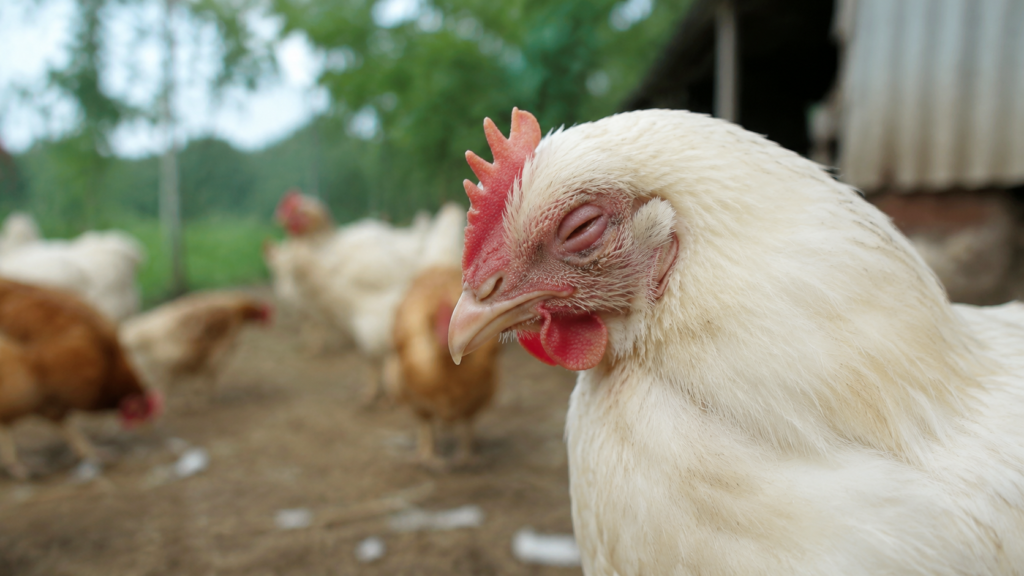
A chicken respiratory infection can cause sneezing, nasal discharge, swollen eyes, rattling breath, coughing, and a drop in appetite or egg laying. If symptoms are mild, isolation, warmth, clean air, and quick observation may help, but birds that are struggling to breathe or worsening fast need veterinary care right away.
This guide explains how to recognize a chicken respiratory infection, what usually causes it, how to respond step by step, and how to prevent it from spreading through the flock. It is written for backyard chicken keepers who want practical, tested advice, not guesswork.
What Makes a Chicken Respiratory Infection So Hard to Spot?
Respiratory illness in chickens often starts quietly. A bird may look a little off, blink more, or breathe with a small sound before the more obvious signs appear.
The challenge is that several different problems can look similar. A cold draft, dusty coop, ammonia buildup, infectious bronchitis, mycoplasma, or a more serious bacterial infection can all produce similar early symptoms.
That is why the best approach is to look at the whole picture: breathing, eyes, discharge, appetite, flock spread, and how quickly the bird changes. One expert tip is to check the coop air at bird level in the early morning, when moisture and ammonia are usually highest.
Chicken Respiratory Infection: The Fast Response Plan
When you suspect a chicken respiratory infection, focus on isolation, comfort, cleanliness, and careful monitoring. The goal is to reduce stress on the bird and reduce exposure for the rest of the flock.
| Step | What to do | Why it matters |
|---|---|---|
| Isolate | Move the sick bird to a separate, clean enclosure | Limits spread and lets you monitor intake, droppings, and breathing |
| Warmth | Keep the bird in a draft-free space with stable warmth | Respiratory stress often worsens when a bird is cold or chilled |
| Hydration | Provide fresh water within easy reach | Hydration supports recovery and helps a bird keep eating |
| Air quality | Remove dust, wet bedding, and ammonia sources | Irritated airways heal better in a clean environment |
| Observation | Track appetite, posture, discharge, and breathing effort twice daily | Changes tell you whether the bird is improving or declining |
| Vet support | Contact a poultry-experienced veterinarian if breathing is labored or symptoms worsen | Some infections need diagnosis and prescription treatment |
Step-by-Step: How to Handle a Chicken Respiratory Infection
1. Separate the bird: Move the chicken to a quarantine space as soon as you notice symptoms. Use a dry crate, pen, or small coop area that is easy to clean. Keep feed and water close so the bird does not need to walk far.
2. Watch the breathing: Look for open-mouth breathing, tail bobbing, wheezing, sneezing, or gurgling sounds. Mild sneezing alone can happen with dust, but any labored breathing deserves close attention. If the bird is gasping, that is urgent.
3. Check the eyes and nose: Clear watery eyes, crust, bubbles, or nasal discharge often point to a respiratory issue. The Merck Veterinary Manual notes that respiratory disease in poultry can have many causes, so symptoms alone do not tell the full story. Photo document what you see if you may need a vet.
4. Improve the air: Clean the coop and remove damp bedding, heavy dust, and built-up droppings. Ventilation should move stale air out without blowing directly on the flock. Good airflow lowers ammonia and reduces irritation.
5. Support hydration and feed intake: Offer clean water and a familiar, easy-to-eat ration. Chickens often eat less when sick, so keep the food simple and accessible. If the bird stops drinking, that is a serious warning sign.
6. Protect the flock: Observe all other birds for reduced activity, coughing, nasal discharge, or laying changes. Separate any additional symptomatic birds right away. Clean hands, shoes, and tools before moving between pens.
7. Call for help when needed: If symptoms persist, spread quickly, or involve swollen sinuses or severe breathing trouble, contact a poultry veterinarian. Cornell University’s poultry health resources and similar extension programs consistently stress rapid isolation and flock-level biosecurity for contagious respiratory disease. Do not rely on internet remedies if the bird is clearly declining.
People also ask: What is the best treatment for chicken respiratory infection?
The best treatment depends on the cause. Some birds improve with isolation, clean air, warmth, and supportive care, while others need a veterinarian to diagnose a bacterial, viral, or chronic condition and prescribe appropriate treatment.
There is no one-size-fits-all cure for every chicken respiratory infection, so the safest plan is to stabilize the bird, reduce stress, and get a proper diagnosis if the problem is more than mild irritation.
| Option | Best for | What to expect |
|---|---|---|
| Supportive care | Mild symptoms with normal appetite and breathing | Rest, cleaner air, hydration, and close monitoring |
| Veterinary diagnosis | Worsening symptoms, eye swelling, or flock spread | Testing and a clearer treatment plan |
| Prescription treatment | Confirmed bacterial infections or secondary infections | Medication guided by a poultry vet |
| Culling or long-term isolation | Severe chronic cases or birds that never fully recover | Sometimes necessary to protect flock health |
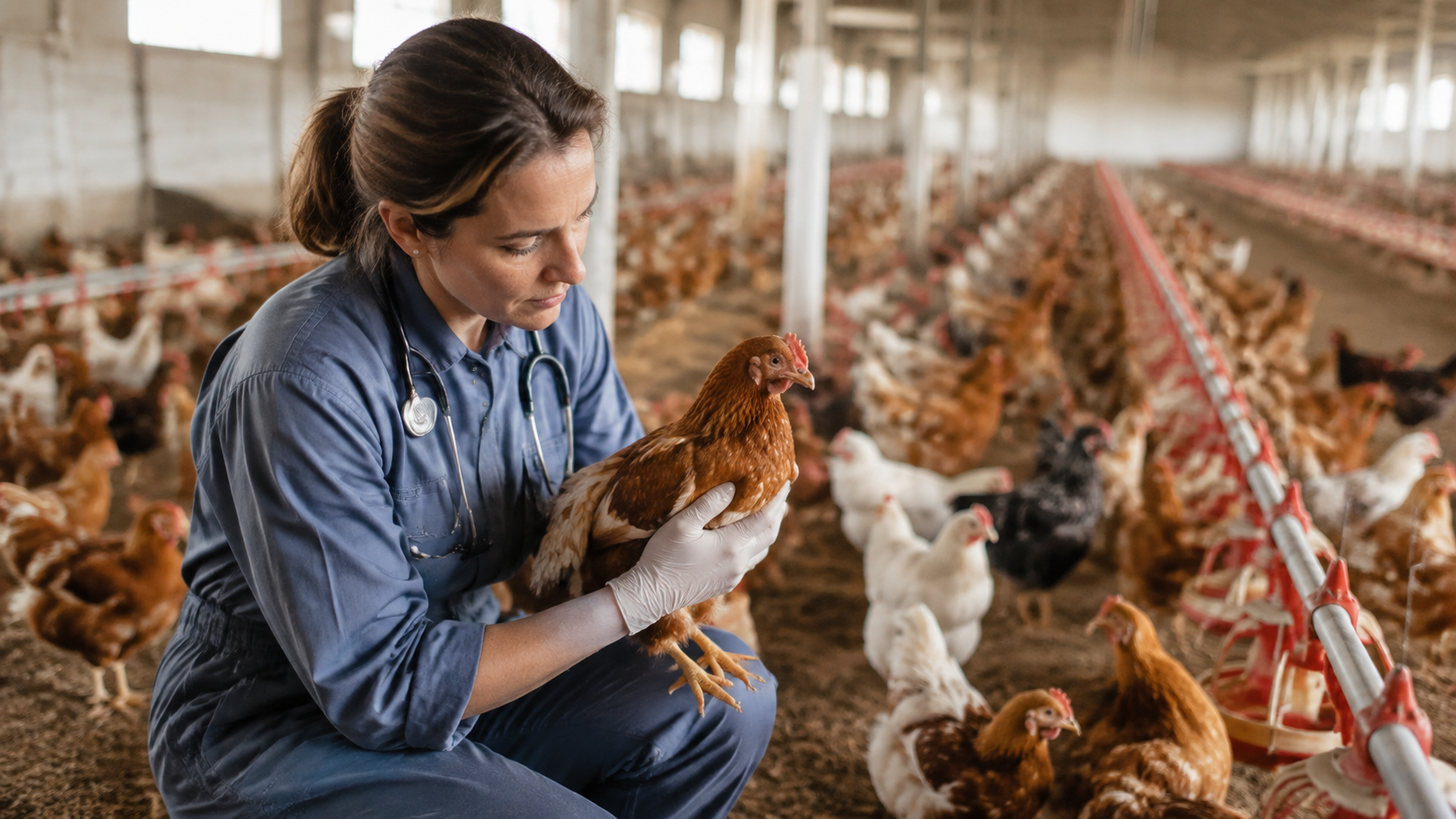
How to Adapt a Chicken Respiratory Infection Plan for Different Flocks
For a small backyard flock: Use one spare pen or dog crate as a permanent quarantine setup. Small flocks spread illness fast because birds are in close contact, so early separation matters more than anything else. Clean feeders and waterers daily during the outbreak.
For cold-weather keepers: Do not seal the coop so tightly that moisture and ammonia build up. Chickens need ventilation even in winter, but drafts at roost level should be avoided. A dry, well-ventilated coop is better than a warm, stale one.
For dusty or deep-litter setups: Reduce stirring bedding when birds are sick, and remove the worst wet spots immediately. Fine dust can make a mild problem look much worse. If you notice repeated sneezing after coop cleaning, the issue may be environmental rather than contagious.
For mixed-age flocks: Keep younger birds separate from older birds if possible during illness. Chicks and pullets may be more vulnerable to stress and dehydration, while older birds can be silent carriers of some diseases. Watch the whole flock for reduced feed interest and abnormal breathing.
For high-production layers: Expect egg laying to drop during illness. Stress, poor feed intake, and respiratory strain all affect production, so normal laying may not return immediately. Focus first on health, not egg count.
Related Care Tips for a Healthier Flock
Respiratory illness is easier to prevent when the flock has a dry coop, balanced nutrition, and enough space. If you are improving your setup, start with how to clean a chicken coop so you can reduce dust, ammonia, and wet bedding that irritate sensitive airways.
You may also want to review how big a chicken coop should be so your flock has enough room to avoid crowding, which can worsen stress and disease spread. Better space and better airflow work together.
Common Chicken Respiratory Infection Problems and How to Fix Them
| Problem | Likely cause | Easy fix |
|---|---|---|
| Repeated sneezing | Dust, bedding, or mild irritation | Clean the coop and reduce dusty materials |
| Foamy or watery eyes | Infection or ammonia irritation | Improve ventilation and isolate the bird |
| Open-mouth breathing | Severe respiratory distress | Seek veterinary help immediately |
| Drop in laying | Stress or systemic illness | Monitor health and support rest and hydration |
| Gurgling or rattling | Lower respiratory involvement | Quarantine and call a poultry vet |
| Symptoms in multiple birds | Contagious flock disease | Separate affected birds and disinfect shared equipment |
If more than one bird is sick, treat it like a flock-level problem until proven otherwise. The earlier you isolate and clean, the better your odds of protecting the rest of the coop.
Storage, Cleaning, and Long-Term Prevention
There is no “storage” step for the illness itself, but there is a long-term prevention plan. Keep feed in sealed containers, bedding dry, and cleaning tools dedicated to the coop so you do not move pathogens around the property.
For ongoing prevention, follow USDA guidance on poultry biosecurity: keep birds separated from wild birds when possible, limit traffic between flocks, and maintain clean equipment and footwear. The USDA Animal and Plant Health Inspection Service is a reliable starting point for current biosecurity recommendations.
It also helps to improve the basics that support flock health year-round. Good nutrition, steady water access, and low-stress housing reduce the odds that a small irritation turns into a bigger problem.
Frequently Asked Questions
Can a chicken respiratory infection go away on its own?
Mild irritation sometimes improves if the cause is dust, ammonia, or a temporary chill. But if the bird has discharge, swollen eyes, rattling breathing, or worsening symptoms, do not assume it will clear on its own. Chickens hide illness well, so close monitoring matters.
Is a chicken respiratory infection contagious?
Many respiratory illnesses in chickens are contagious, especially when they involve discharge, sneezing, or multiple birds. That is why immediate isolation is the safest first move. Even if the cause turns out to be environmental, quarantine helps you avoid guessing wrong.
Should I give antibiotics to a sick chicken?
Only use antibiotics under veterinary guidance. Respiratory symptoms can come from viruses, bacteria, or noninfectious irritation, and antibiotics will not help every cause. A poultry vet can tell you whether medication is appropriate and which egg or meat withdrawal rules apply.
How do I know if my coop air is making chickens sick?
If you smell ammonia when you open the coop, the air is likely too strong for the birds. Wet bedding, poor ventilation, and overcrowding are common causes. Chickens should not have to breathe stale, harsh air at roost level.
What birds are most at risk?
Young birds, stressed birds, and chickens already dealing with parasites, poor nutrition, or crowding are often more vulnerable. Older birds can also decline faster if they already have a chronic condition. Any chicken with reduced appetite should be watched closely.
When should I cull a bird with respiratory disease?
That decision depends on severity, quality of life, and whether the condition is chronic or contagious. If a bird cannot breathe comfortably, cannot eat or drink, or keeps relapsing despite care, talk with a veterinarian about the most humane option. Protecting the rest of the flock also has to factor into the decision.
Keep Your Flock Breathing Easier
The fastest response to a chicken respiratory infection is simple: isolate, improve air quality, support the bird, and watch closely for change. The right first hour can make a big difference, especially when you are dealing with a contagious problem.
If you want more practical backyard chicken guidance, explore Cedar & Cluck at https://cedarandcluck.com/ for researched, beginner-friendly advice you can use in the coop.
