
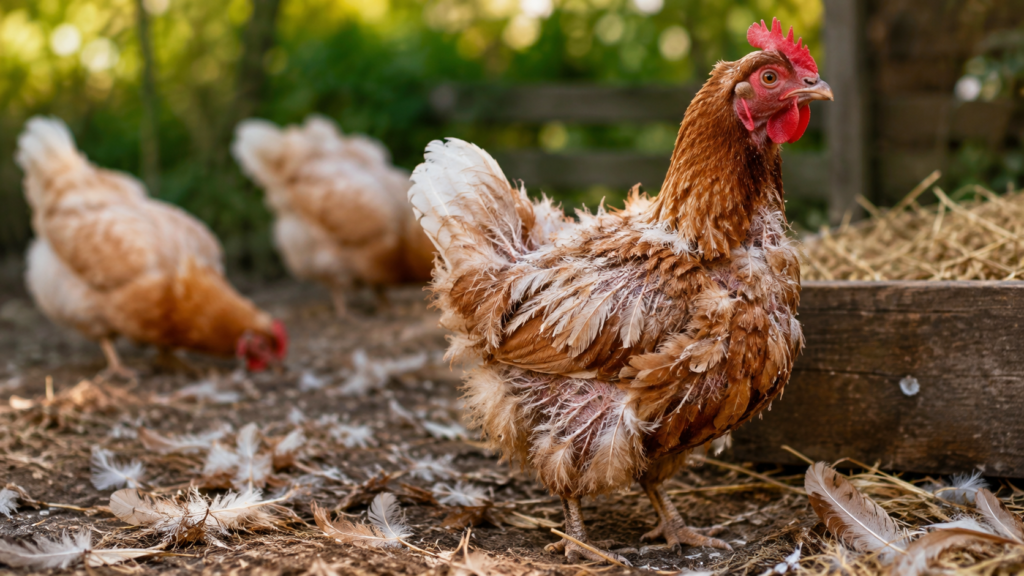
Chicken molting is the natural process where a hen drops old feathers and grows new ones, and it often causes a temporary pause in laying. It usually happens once a year, and the bird needs extra protein, steady water, and low-stress care while her body rebuilds feather cover.
This guide explains how to recognize molting, what to feed, how long it lasts, and when a molt is normal versus when it may signal a health problem. It is for backyard chicken keepers who want practical, beginner-friendly advice they can use right away.
What Makes Chicken Molting Happen?
Molting is driven by changes in daylight, age, body condition, and seasonal rhythm. As hens move out of a heavy laying cycle, their bodies redirect nutrients away from eggs and toward feather regrowth.
That is why a molt often looks dramatic. A hen may lose feathers around the neck, back, and tail, appear ragged, and lay fewer or no eggs for a while.
Stress can also trigger an early or heavier molt. Heat, poor feed, predator pressure, overcrowding, or a move to a new coop can all make the process more obvious.
The key idea is that molting is normal, but it should still be supported. The better you feed and manage the flock during this time, the faster birds usually recover their feather coat and laying condition.
Expert tip: A hen that is losing feathers but still acting energetic and eating well is usually molting; a hen that is featherless, weak, or losing weight may need a closer health check.
Chicken Molting Care Checklist
Use this checklist to support hens through a molt without overcomplicating things. The goal is to reduce stress and give the bird the nutrients she needs for feather growth.
| Item | Amount/Spec | Why it matters |
|---|---|---|
| Layer feed or maintenance ration | Offer a complete ration; consider a higher-protein option during molt | Feathers are mostly protein, so hens need more amino acids than usual |
| Clean water | Fresh, always available | Supports digestion, feather growth, and overall recovery |
| Extra protein treats | Small amounts of scrambled egg, mealworms, or fish-based treats | Helps meet short-term protein demand without unbalancing the diet |
| Low-stress coop setup | Dry bedding, good ventilation, minimal crowding | Reduces extra strain while birds are already using energy to regrow feathers |
| Health monitoring | Check skin, weight, droppings, and behavior weekly | Distinguishes a normal molt from parasites or illness |
| Gentle handling | Only handle when necessary | Exposed skin can be tender, and rough handling adds stress |
For flock owners, the simplest plan is to feed well, keep the coop clean, and let the molt finish. You do not need special supplements if the base diet is solid and the birds are otherwise healthy.
How to Manage Chicken Molting Step by Step
Step 1: Confirm that it is a molt. Look for feather loss that starts gradually, especially around the neck, breast, back, and tail. Birds usually stay active, but egg production often slows or stops. If you see bald patches with irritated skin, broken feathers from pecking, or obvious parasites, do not assume it is only molting.
Step 2: Switch attention to nutrition. Feather regrowth is protein-intensive, so this is not the time to underfeed the flock. Keep a balanced feed available and offer small protein boosts from safe treats. The University of Minnesota Extension and Penn State Extension both emphasize that poultry nutrition should match the bird’s life stage and production demands.
Step 3: Keep water supply steady. Birds under stress need easy access to clean water more than ever. Place multiple waterers if the coop or run is crowded so timid hens do not get pushed away. In hot weather, check water several times a day because a molting bird is already working hard internally.
Step 4: Reduce extra stressors. Avoid adding new birds, changing roosts, or moving the flock unless you must. Molting birds benefit from routine because their bodies are already allocating energy toward new feather growth. Keep night lighting minimal so you do not encourage forced laying during a natural rest period.
Step 5: Watch for parasites and skin damage. Feather loss can make lice or mites easier to spot. Part feathers at the vent, under wings, and along the back to look for tiny moving specks, debris, or irritated skin. Treating parasites early helps prevent a normal molt from turning into a bigger health problem.
Step 6: Manage the coop environment. Good ventilation, dry litter, and enough space help hens stay comfortable while they regrow feathers. If you are unsure whether your flock has enough room, review how big a chicken coop should be before adding more birds. Crowding makes pecking and stress worse.
Step 7: Track progress week by week. Most hens start looking better within a few weeks, though the whole process can take longer. New pin feathers should come in before full plumage returns. If a hen keeps losing condition instead of stabilizing, treat it as a health issue rather than a simple molt.
How Long Does Chicken Molting Last?
Chicken molting usually lasts about 6 to 12 weeks, but some birds finish faster and others take longer. The timing depends on age, breed, season, nutrition, and whether the molt is mild or heavy.
Fast, efficient molting is easiest to support with consistent feed, low stress, and a clean coop. Birds that are already underfed or dealing with parasites may take longer and look rougher throughout the process.
| Option | Best for | What to expect |
|---|---|---|
| Fast molt | Healthy adult hens with strong nutrition | Noticeable feather shedding for a few weeks, then quick regrowth |
| Typical molt | Most backyard flocks | Patchy feather loss, reduced laying, steady recovery over 1-3 months |
| Slow molt | Older hens or birds under stress | Longer featherless period and slower return to normal appearance |
| Problem molt | Birds with parasites, pecking, or illness | Ongoing damage, poor condition, and uneven feather loss that needs attention |
For a Backyard Flock
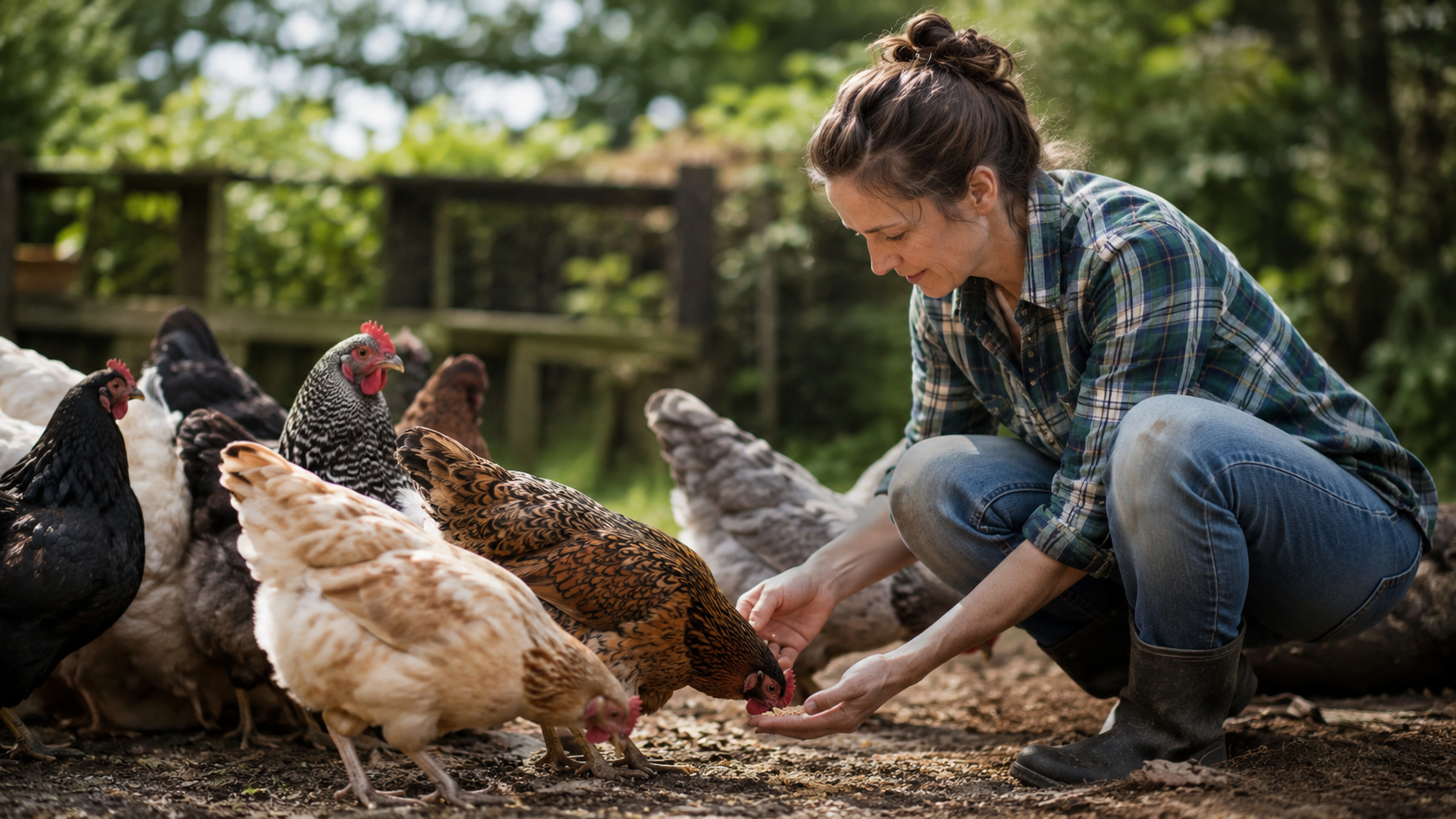
For a small flock: Focus on simple consistency. A few hens in a quiet coop usually molt more predictably because they face less competition for feed and water. Keep your routine steady and resist the urge to overhandle the birds while feathers are coming in.
For older hens: Expect the molt to be more noticeable and the recovery to be a little slower. Older birds may also restart laying less aggressively after the molt, which is normal. Give them good nutrition and a comfortable roosting area so they can conserve energy.
For cold-weather molting: Feather loss is more concerning when temperatures drop. Make sure the coop stays dry and draft-managed, because exposed skin makes birds less comfortable at night. Do not seal the coop too tightly; ventilation still matters for moisture control.
For hot-weather molting: Heat can make feather regrowth harder on the bird. Increase shade, airflow, and water access, and avoid extra stress during the hottest part of the day. If a hen seems lethargic, panting, or weak, check for heat stress in addition to molt.
For a mixed-age flock: Watch younger birds around older molting hens. Pecking order pressure can make the weaker bird miss feed or water. If needed, create extra feeder space so the molting hen can eat without being pushed away.
Related Care That Helps During Molting
Molting often overlaps with other daily management questions, especially feeding and egg-laying. If you are unsure how to balance nutrition while a bird is rebuilding feathers, our guide to what to feed chickens is a good companion read.
It also helps to know what normal laying patterns look like, because a molt often explains a drop in eggs. If your hens are not producing like they used to, this article on why chickens are not laying eggs can help you sort out molt from other causes.
Common Chicken Molting Problems and How to Fix Them
| Problem | Likely cause | Easy fix |
|---|---|---|
| Feathers are missing in bald patches | Pecking, mites, or an uneven molt | Inspect skin closely and separate aggressive birds if needed |
| Bird looks thin during molt | Not enough protein or competition at the feeder | Add feeder space and improve ration quality |
| Molting lasts much longer than expected | Stress, illness, or parasite load | Check for mites, lice, weight loss, and reduced appetite |
| Hen stops laying and does not recover | Normal molt, but recovery is delayed by poor nutrition | Keep a balanced diet going and give it time |
| Pin feathers break easily | Rough handling or feather pecking | Handle less and reduce flock stress |
| Bird seems weak or listless | Could be molt plus another health issue | Separate the bird and assess for dehydration, injury, or illness |
The main rule is not to blame every feather change on molting. When the pattern, behavior, or body condition looks off, look deeper so a treatable issue does not get missed.
Keeping Molt Simple and Safe
Molting does not need special storage, but it does need steady support over time. Think of it as a maintenance phase for the flock rather than a problem to solve quickly. The cleaner and more consistent your setup, the easier it is for hens to finish the process well.
For general poultry management, the USDA National Agricultural Library and state extension resources such as University of Minnesota Extension are good references on nutrition, housing, and flock health. Their guidance reinforces a simple principle: birds do best when feed, water, and housing match their stage of life and current needs.
Keep recording laying changes, feather regrowth, and any signs of parasites so you can compare this molt with future ones. Over time, you will learn which hens molt lightly, which ones go through a harder shed, and how your own coop setup affects recovery.
Frequently Asked Questions
Is chicken molting normal?
Yes, molting is a normal part of a chicken’s yearly cycle. Hens lose old feathers and replace them with new ones, and egg production often slows during that time. A healthy molt usually looks ragged but not alarming.
Do chickens stop laying eggs when they molt?
Many hens lay fewer eggs or stop completely while molting. Their bodies are using nutrients for feather growth instead of egg production. Laying usually returns after the new feather coat comes in.
What should I feed chickens during molting?
Keep a complete, balanced ration available and make sure they eat enough protein. Small amounts of safe protein treats can help, but they should not replace the main feed. Clean water matters just as much.
How can I tell molt from sickness?
Molt usually affects feathers first, while the bird otherwise behaves normally. Sickness more often comes with poor appetite, lethargy, weight loss, or abnormal droppings. If the bird seems weak or off-balance, treat it as more than a molt.
Should I give supplements for molting?
Not always. If the bird is already on a good ration, extra supplements are often unnecessary. Focus first on feed quality, water, and stress reduction before adding products.
Can chickens molt more than once a year?
Yes, they can, especially if they experience stress, illness, or changes in daylight and body condition. A second molt in a year is not ideal, but it can happen. Repeated molting is worth investigating more closely.
A Better Feather Season
Chicken molting is messy to look at, but it is usually a healthy, expected reset. Once you know what to expect, you can support your hens with better feed, calm routines, and a cleaner coop while they rebuild.
If you want more practical chicken-keeping guides like this one, visit Cedar & Cluck for researched advice you can use in your own backyard flock.
