
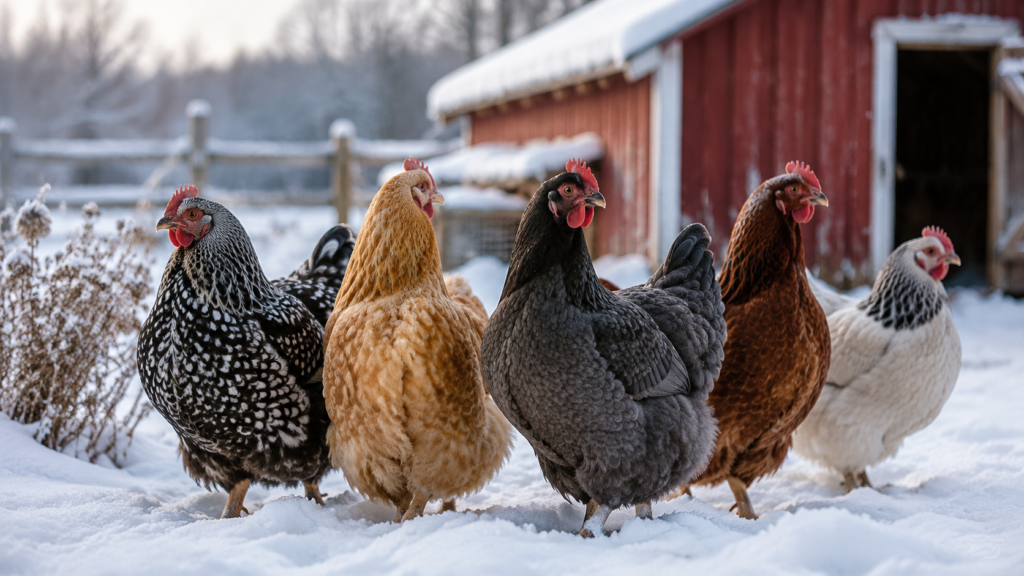
The best chicken breeds for cold weather are hardy, full-sized birds with dense feathering, smaller combs, and calm temperaments, such as Plymouth Rocks, Wyandottes, Orpingtons, Australorps, Brahmas, Chanteclers, Buckeyes, and Sussex. These breeds tolerate freezing temperatures better than lightweight Mediterranean breeds because they conserve body heat well and are less prone to frostbite.
This guide explains how to choose cold-hardy chickens for a backyard flock, what tradeoffs to expect in egg production and temperament, and how to set up your birds for a safer winter. It is written for beginner and small-flock keepers who want practical breed recommendations, not a generic list of pretty chickens.
What Makes a Chicken Breed Good for Cold Weather?
Cold-hardy chickens are not just birds that survive snow. The best winter breeds combine body mass, feather coverage, moderate activity, and physical features that reduce heat loss. A broad, heavy body holds warmth better than a lean frame, and tight but abundant feathering traps insulating air close to the skin.
Comb type matters more than many beginners realize. Large single combs and long wattles are exposed tissue, so they are more vulnerable to frostbite in damp, freezing air. Breeds with rose combs, pea combs, cushion combs, or compact single combs generally do better in northern winters.
Temperament also plays a role. Calm birds that roost together, eat steadily, and do not spend all day pacing in the snow are easier to manage in bad weather. Expert tip: when comparing two similar cold-hardy breeds, choose the one with cleaner leg feathering if your winters are wet, muddy, or icy, because heavily feathered feet can hold moisture and freeze.
Best Chicken Breeds for Cold Weather: Quick Comparison
The following breeds are reliable choices for cold regions, especially when paired with a dry, draft-free coop and steady winter feed. No breed is completely weatherproof, but these chickens have traits that make winter care easier.
| Breed | Cold-weather traits | Why it matters |
|---|---|---|
| Plymouth Rock | Large body, steady layer, moderate single comb | A dependable beginner breed that balances winter toughness, egg production, and friendly handling. |
| Wyandotte | Rose comb, dense feathering, rounded body | The small comb reduces frostbite risk, and the compact body holds heat well. |
| Buff Orpington | Heavy body, fluffy feathering, calm nature | Excellent for family flocks because they are gentle and tend to handle confinement during storms. |
| Australorp | Good layer, substantial frame, calm temperament | A strong choice if you want winter hardiness without giving up too much egg production. |
| Brahma | Very large body, pea comb, feathered legs | The size and comb type are winter advantages, though feathered feet need dry bedding. |
| Chantecler | Cushion comb, Canadian origin, tight feathering | Purpose-bred for cold climates, making it one of the most practical northern flock breeds. |
| Buckeye | Pea comb, muscular body, active forager | Developed in Ohio, Buckeyes are hardy birds that handle cold while staying vigorous. |
| Speckled Sussex | Full body, curious temperament, decent winter laying | A good dual-purpose bird for keepers who want personality, eggs, and cold tolerance. |
If you want the safest all-around picks, start with Plymouth Rocks, Wyandottes, Orpingtons, or Australorps. If your winter is truly harsh, windy, and below freezing for long stretches, Chanteclers, Buckeyes, and Brahmas deserve special attention.
How to Choose the Best Chicken Breeds for Cold Weather Step by Step
Start with your winter lows: Look at your normal nighttime temperatures, not just the occasional extreme. A flock in Tennessee has different needs than one in Minnesota or Maine. If temperatures often stay below freezing for weeks, prioritize compact combs and heavier bodies.
Match breed to coop conditions: A cold-hardy breed still needs a dry, ventilated shelter. Moist air is often more dangerous than cold air because it increases frostbite risk. The University of Minnesota Extension notes that good ventilation and dry litter are key parts of winter poultry management, which matters as much as breed choice.
Decide how much egg production matters: Some hardy breeds are steady winter layers, while others slow down noticeably as daylight drops. Australorps, Plymouth Rocks, and Sussex often offer a good balance. Brahmas and Orpingtons may be more moderate layers, but they are excellent for temperament and body size.
Consider comb and wattle size: If you are choosing between birds, favor pea, rose, cushion, or small single combs. Wyandottes, Buckeyes, Brahmas, and Chanteclers score especially well here. Large-combed breeds can still be kept in cold areas, but they require more careful moisture control.
Think about your run conditions: Feathered-leg breeds like Brahmas can do beautifully in dry cold but may struggle in sloppy mud, ice, or wet snow. If your run gets damp, choose clean-legged birds or invest in better drainage. Dry footing prevents frozen mud balls and foot irritation.
Buy from regional breeders when possible: Chicks or pullets raised from lines that have been kept through local winters may adapt better than birds shipped from a very different climate. Ask breeders how their flock performs in winter and whether they heat their coops. Birds from overly pampered winter setups may not tell you much about real hardiness.
Plan the flock mix, not just one breed: A mixed flock can give you eggs, temperament, beauty, and resilience. For example, combine Wyandottes for comb safety, Plymouth Rocks for reliability, and Orpingtons for calm flock dynamics. Avoid mixing very assertive breeds with extremely timid birds unless you have plenty of space.
What is the best chicken breed for cold weather and eggs?
The best chicken breed for cold weather and eggs is often the Australorp or Plymouth Rock for most backyard keepers. Both are hardy, beginner-friendly, and capable of steady production when given enough feed, water, and winter daylight management.
Wyandottes are also excellent if frostbite risk is your main concern because their rose comb is a major advantage. If you want a breed specifically associated with harsh northern climates, the Chantecler is a standout, though it may be harder to find than more common breeds.
| Option | Best for | What to expect |
|---|---|---|
| Australorp | Eggs plus cold tolerance | Good brown egg production, calm behavior, and solid winter resilience. |
| Plymouth Rock | Beginner-friendly winter flocks | Reliable laying, friendly temperament, and easy availability. |
| Wyandotte | Frostbite-prone climates | Rose comb protection, attractive feather patterns, and moderate egg production. |
| Chantecler | Very cold northern areas | Excellent cold design, practical body type, and lower availability in some regions. |
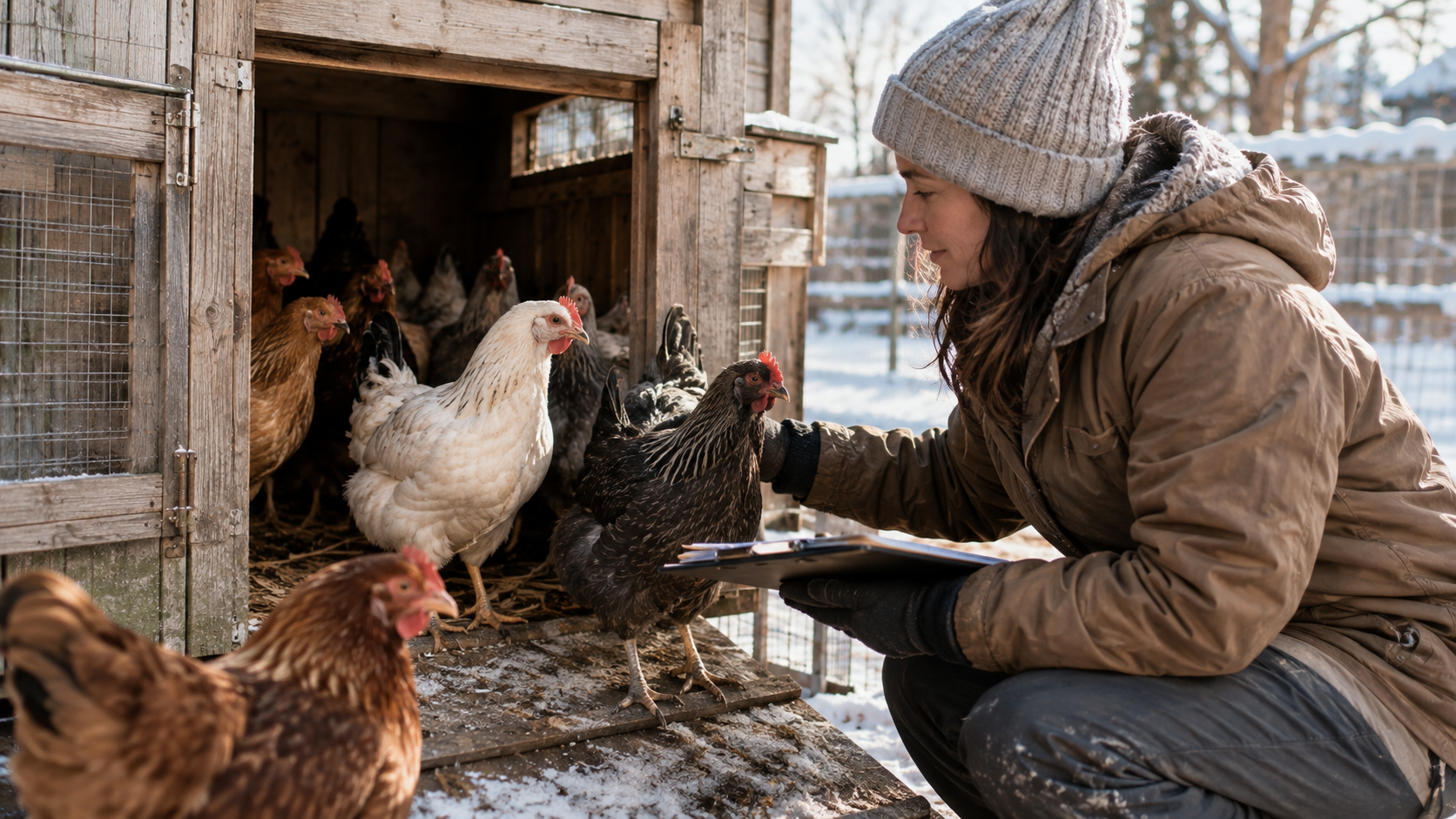
How to Adapt Your Breed Choice to Your Climate and Flock
For a snowy northern backyard: Choose Wyandottes, Chanteclers, Buckeyes, Plymouth Rocks, or Brahmas. Focus on small combs, broad bodies, and birds that tolerate confinement when deep snow limits ranging. Keep runs shoveled or packed so birds are not forced to stand in loose snow all day.
For a cold but wet climate: Prioritize clean-legged breeds such as Plymouth Rocks, Australorps, Wyandottes, Buckeyes, and Sussex. Wet cold is harder on chickens than dry cold because moisture chills feathers and skin. Use covered runs, deep dry bedding, and good drainage to protect feet and feather condition.
For a family flock with children: Buff Orpingtons, Plymouth Rocks, Australorps, and Sussex are especially good candidates. They tend to be calm and easier to handle than flighty breeds. Cold hardiness is useful, but a gentle temperament makes daily care simpler when everyone is bundled up and moving slowly.
For a small backyard coop: Avoid building a flock only around giant breeds unless your coop and run have enough room. Brahmas are wonderful winter birds, but they need generous space and sturdy roosts. Wyandottes, Plymouth Rocks, and Australorps are often easier fits for modest backyard setups.
For maximum winter eggs: Choose hardy layers and manage daylight expectations. Australorps, Plymouth Rocks, Sussex, and some Wyandotte lines are good choices. Remember that breed helps, but egg production also depends on age, nutrition, water access, daylight, molt, and stress.
Companion Winter Advice for a Cold-Hardy Flock
Breed choice is only one part of winter success. Even the best chicken breeds for cold weather need a coop that blocks drafts at roost height while still allowing humid air to escape above the birds. If you are planning or adjusting housing, Cedar & Cluck’s guide to how big a chicken coop should be can help you avoid overcrowding, which is a common winter moisture problem.
Feed is the other big lever. Cold weather increases the energy birds use to maintain body temperature, so keep a complete layer feed available and avoid filling them up on low-protein scraps. For a practical feeding foundation, see Cedar & Cluck’s guide on what to feed chickens, especially if you are building your first winter feeding routine.
Do not rely on heat lamps as a substitute for good breed choice and coop management. In many backyard settings, dry bedding, wind protection, unfrozen water, and adequate ventilation are safer and more reliable than adding heat. If you do use any electrical device, use equipment rated for agricultural conditions and secure it against dust, moisture, and bird contact.
Common Cold-Weather Chicken Breed Problems and How to Fix Them
| Problem | Likely cause | Easy fix |
|---|---|---|
| Frostbitten comb tips | Large combs, damp coop air, poor ventilation | Improve high ventilation, remove wet bedding, and choose smaller-combed breeds next time. |
| Reduced winter eggs | Short daylight, molt, older hens, low energy intake | Provide complete feed, check water access, and expect seasonal slowing unless using supplemental light. |
| Birds refuse to leave the coop | Deep snow, icy footing, wind exposure | Clear paths, add straw or wood chips, and cover part of the run. |
| Feathered feet become icy | Wet bedding, muddy run, melting snow | Switch to drier litter, improve drainage, and inspect feathered-leg breeds regularly. |
| Pecking increases during storms | Confinement, boredom, crowding | Add space, hang cabbage or flock blocks sparingly, and provide multiple feed and water stations. |
| Thin birds lose condition | Competition at feeders or insufficient calories | Add an extra feeder, weigh or handle birds, and separate bullied hens if needed. |
| Respiratory irritation | Ammonia buildup from damp litter | Clean wet areas, add dry bedding, and increase ventilation above roost level. |
When winter problems appear, look first at moisture, ventilation, space, and feed before blaming the breed. A hardy chicken can handle cold, but it cannot thrive in a damp, crowded coop with frozen water and stale air.
Winter Maintenance for Cold-Hardy Chicken Breeds
Maintenance is what turns a good breed choice into a healthy winter flock. Check water at least twice daily in freezing weather, because chickens cannot eat enough dry feed if they cannot drink. Heated water bases can be useful, but cords should be protected and connections kept away from bedding.
Inspect combs, wattles, toes, and feathered feet during cold snaps. The USDA Animal and Plant Health Inspection Service emphasizes the importance of routine observation and biosecurity in poultry care, and winter is when small problems can escalate quickly. A bird that stands hunched, avoids food, or stays apart from the flock needs attention before the next hard freeze.
Refresh bedding before it smells, not after. Dry pine shavings or other suitable litter help insulate the floor and absorb moisture, while wet bedding chills birds and encourages ammonia. In very cold regions, some keepers use a managed deep-litter system, but it must be kept dry on top and never allowed to become soggy.
Frequently Asked Questions
What chicken breed is most cold hardy?
Chanteclers are among the most cold-hardy chicken breeds because they were developed for Canadian winters and have compact cushion combs. Wyandottes, Buckeyes, Brahmas, and Plymouth Rocks are also excellent cold-weather choices for backyard flocks.
Are Rhode Island Reds good for cold weather?
Rhode Island Reds are generally hardy and can do well in cold climates, but their single combs can be vulnerable to frostbite in damp, freezing coops. They are productive birds, though some lines can be more assertive than beginners expect.
Do cold-hardy chickens need a heated coop?
Most cold-hardy chickens do not need a heated coop if the shelter is dry, draft-free at roost level, and properly ventilated. Heat lamps can create fire risks, so many keepers focus instead on bedding, ventilation, wind protection, and unfrozen water.
Which chickens lay eggs best in winter?
Australorps, Plymouth Rocks, Sussex, and some Wyandotte lines are good winter egg candidates. However, laying depends heavily on daylight, age, nutrition, molt, and stress, so even good breeds may slow down during the shortest days.
Are bantam chickens good for cold weather?
Some bantams can handle cold, but they lose body heat faster than full-sized chickens because they are smaller. If you keep bantams in cold climates, choose hardy types, provide excellent wind protection, and avoid mixing them with large aggressive birds.
Can chickens get frostbite even if they are cold-hardy?
Yes, any chicken can get frostbite when exposed tissue stays cold and damp long enough. Large combs, wet bedding, poor ventilation, and spilled water increase the risk, even in breeds known for winter hardiness.
Build a Winter Flock You’ll Enjoy Caring For
The best chicken breeds for cold weather share a few practical traits: solid bodies, protective feathering, manageable combs, and steady temperaments. Pick birds that fit your specific winter conditions, then support them with dry housing, good feed, clean water, and enough space.
A winter-ready flock is built through both genetics and daily care. For more tested, beginner-friendly chicken guidance, visit Cedar & Cluck and keep building a flock that fits your backyard, climate, and goals.
