
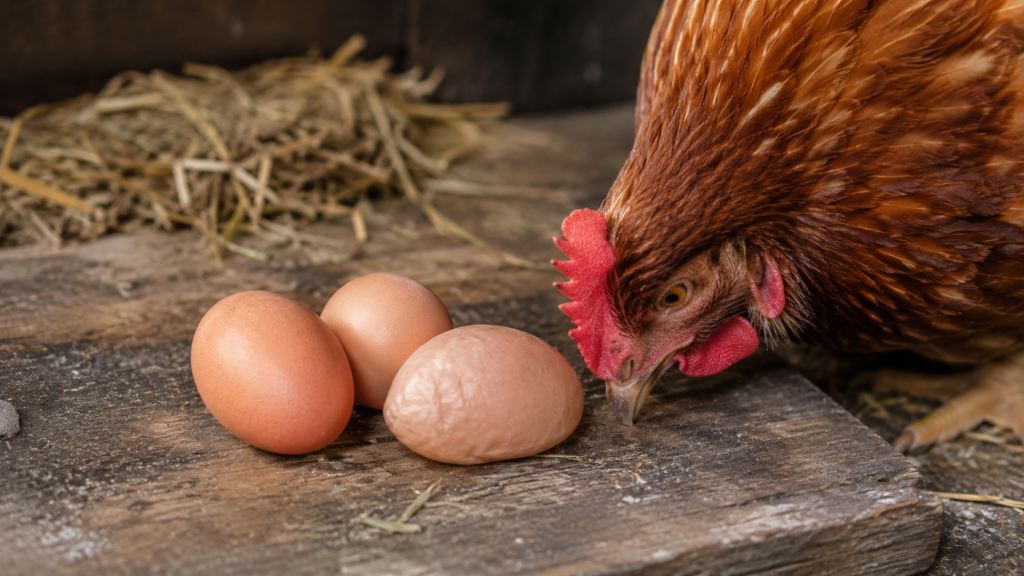
If you are asking, “why are my chickens laying soft eggs,” the most common causes are low calcium intake, poor calcium absorption, stress, heat, young or aging hens, or a temporary disruption in the egg-laying system. A soft-shelled or rubbery egg happens when the egg passes through the shell gland without getting a full, hardened calcium carbonate shell.
This guide walks backyard chicken keepers through the practical causes, a simple correction plan, and the signs that point to illness instead of a one-off laying glitch. It is written for real flock owners who want to fix the problem without guessing, over-supplementing, or missing a health issue.
Why Does a Chicken Lay a Soft Egg?
A chicken egg spends most of its formation time in the shell gland, also called the uterus, where calcium carbonate is deposited around the membrane. If the hen does not have enough available calcium, cannot absorb it well, or the egg moves through too quickly, the result can be a thin, soft, wrinkled, or shell-less egg.
One soft egg from an otherwise healthy hen is usually not an emergency. Pullets just starting to lay, hens coming back after molt or winter slowdown, and older hens can all lay the occasional odd egg while their reproductive system adjusts.
The expert detail many keepers miss is timing: hens form most of the shell overnight. That is why free-choice oyster shell or another calcium source should be available at all times, not just mixed into morning feed, so layers can self-regulate when their bodies need it most.
Why Are My Chickens Laying Soft Eggs? A Practical Fix-It Checklist
Use this checklist to work from the easiest, most common causes toward the less common ones. Do not change everything at once if your flock is otherwise healthy; make targeted adjustments and watch the next week of eggs.
| Item | Amount/Spec | Why it matters |
|---|---|---|
| Layer feed | Use a complete layer ration for laying hens, typically about 16% protein with added calcium | Layer feed provides the baseline nutrients needed for shells, yolks, and steady production. |
| Free-choice calcium | Offer oyster shell or limestone grit in a separate dish, always available | Hens with higher calcium demand can eat extra without forcing excess calcium on non-layers. |
| Clean water | Fresh water available all day, with extra stations in heat | Dehydration reduces feed intake and can disrupt normal egg formation. |
| Treat control | Keep scratch, fruit, greens, and kitchen scraps to about 10% or less of the diet | Too many treats dilute calcium, protein, vitamin D, and other nutrients. |
| Vitamin D support | Ensure outdoor light access or use a balanced poultry supplement if advised | Vitamin D helps hens absorb and use calcium for shell formation. |
| Stress reduction | Limit sudden coop moves, predator scares, overcrowding, and flock bullying | Stress can cause eggs to move through the oviduct too quickly to form a strong shell. |
| Health check | Look for lethargy, coughing, diarrhea, weight loss, or repeated shell-less eggs | Repeated soft eggs plus symptoms can indicate disease, parasites, or reproductive problems. |
How to Fix Soft Eggs in Chickens Step by Step
Confirm what you are seeing: A soft egg may have a rubbery membrane with little or no hard shell, while a thin-shelled egg cracks easily but still has a shell. Note which hens are laying them if you can, because one problem hen is different from a whole-flock issue.
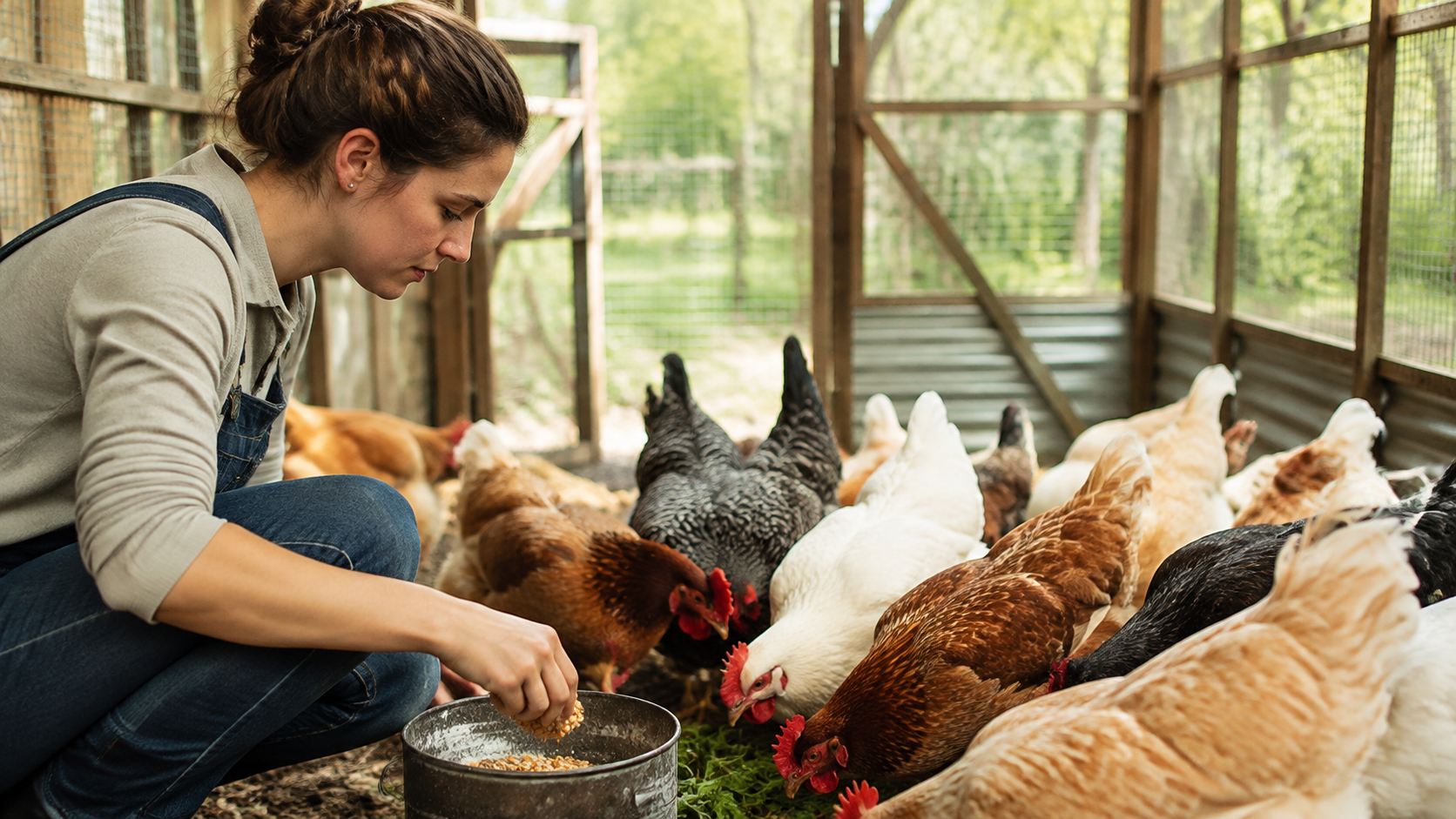
Switch to the right base feed: Laying hens should be on a complete layer feed unless you have a mixed flock with chicks, roosters, or non-laying birds. If you use an all-flock feed, provide free-choice calcium separately so active layers can meet their needs.
Add calcium the right way: Put oyster shell in its own container near the feeder and keep it dry. Avoid mixing large amounts into the main feed, because hens, roosters, chicks, and non-layers have different calcium needs.
Reduce treat dilution: For one to two weeks, cut back heavily on scratch grains, corn, mealworms, bread, and table scraps. The University of Georgia Extension notes that complete poultry rations are formulated to meet nutritional needs, and heavy supplementing with scraps can unbalance the diet.
Check water and heat stress: In hot weather, hens may eat less feed, which means they also consume less calcium. Add shade, cool water, ventilation, and extra drinkers so they keep eating and drinking normally.
Look for stress triggers: Predator visits, a new dog, flock integration, coop relocation, bullying, or a dirty nest area can all affect laying. If soft eggs started suddenly after a specific event, restore routine and quiet before assuming a serious deficiency.
Track eggs for seven days: Write down the number of normal eggs, thin eggs, and soft eggs each day. If the problem improves after diet and stress corrections, keep the changes in place; if it continues or worsens, move to a health investigation.
Call a poultry vet when needed: Seek help if soft eggs repeat for more than two weeks, affect multiple birds despite good feed, or come with lethargy, swelling, respiratory signs, bloody droppings, or sudden drops in laying. Soft eggs can sometimes be linked to infectious bronchitis, egg peritonitis, parasites, or reproductive tract disease.
How do you stop chickens from laying soft shelled eggs?
To stop chickens from laying soft-shelled eggs, start with a complete layer feed, offer free-choice oyster shell, limit treats, reduce heat and stress, and monitor for signs of illness. Most nutrition or stress-related soft eggs improve within several days to two weeks once the cause is corrected, but disease-related cases need veterinary guidance.
| Option | Best for | What to expect |
|---|---|---|
| Free-choice oyster shell | Healthy laying hens with occasional soft eggs | Gradual improvement as hens balance their own calcium intake. |
| Complete layer feed only for 1-2 weeks | Flocks getting lots of treats or scratch | Better shell quality if diet dilution was the main cause. |
| Heat and stress management | Soft eggs during summer, moves, predator scares, or flock changes | Shells often normalize after routine, hydration, and comfort improve. |
| Veterinary exam | Repeated soft eggs with illness signs or no response to diet changes | Testing or treatment for infection, parasites, reproductive disease, or other problems. |
How to Adjust the Fix for Different Flock Situations
For a flock with pullets just starting to lay: Expect a few strange eggs in the first weeks, including tiny eggs, double yolks, thin shells, or soft eggs. Still provide layer feed and oyster shell once most birds are near laying age, but do not panic over one rubbery egg from a new layer.
For a mixed-age flock: Use an all-flock feed if you have chicks, growers, roosters, or retired hens living with layers, then offer oyster shell separately. This prevents birds that do not need extra calcium from being forced to eat high-calcium layer feed.
For hot-weather laying problems: Focus on water, shade, airflow, and feeding during cooler parts of the day. Hens often eat less in heat, so even a good feed program can fail if they are not consuming enough of it.
For older hens: Older layers may produce thinner or less consistent shells because their reproductive systems are less efficient. Good nutrition still helps, but do not expect a five-year-old hen to produce the same shell quality as a prime laying hen.
For free-range hens: Free-ranging is not a complete diet by itself, even when birds look busy and healthy. Keep a balanced feed available every day and use a separate calcium dish, because insects, greens, and foraged seeds vary too much to guarantee shell minerals.
Companion Habits That Help Prevent Soft Eggs
Soft eggs are often easier to prevent than fix. Keep nesting areas calm and predictable, because hens that feel crowded, rushed, or disturbed may develop laying problems or start dropping eggs outside the boxes. If your setup needs improvement, Cedar & Cluck’s guide to chicken nesting boxes can help you size, place, and manage nests more effectively.
Feed management matters just as much as coop comfort. If you are unsure whether your flock’s daily ration is balanced, review this practical guide on what to feed chickens so treats, scraps, calcium, and complete feed work together instead of competing.
Finally, collect eggs daily and watch patterns. The earlier you notice that a soft egg is repeating, coming from one bird, or appearing during heat waves, the easier it is to correct before it becomes a flock-wide habit or a missed health concern.
Common Soft Egg Problems and How to Fix Them
| Problem | Likely cause | Easy fix |
|---|---|---|
| One soft egg from a young pullet | Immature reproductive system | Monitor for a week and provide layer feed plus free-choice oyster shell. |
| Several hens laying thin or soft eggs | Diet too low in available calcium or too many treats | Return to complete layer feed and restrict treats to small amounts. |
| Soft eggs during a heat wave | Reduced feed intake, dehydration, and heat stress | Add shade, ventilation, cool water, and feed during cooler hours. |
| Soft eggs after a predator scare | Acute stress disrupting egg formation | Secure the coop, reduce disturbances, and give the flock a calm routine. |
| Soft eggs with wrinkled or misshapen shells | Possible stress, age, or respiratory disease history | Track frequency and consult a vet if repeated or paired with symptoms. |
| Shell-less eggs found under the roost | Egg passed unexpectedly at night or moved too quickly | Improve calcium access and watch whether the same bird repeats it. |
| Soft eggs plus lethargy or swollen abdomen | Possible reproductive illness or infection | Separate the hen for observation and contact a poultry veterinarian. |
When troubleshooting, look at the whole bird and the whole flock, not just the egg. A bright, active hen with one odd egg is usually a management problem; a dull, isolated, or repeatedly affected hen deserves faster attention.
Long-Term Eggshell Maintenance
Strong shells come from steady routines, not emergency fixes. Keep a complete feed available, store it dry and fresh, provide calcium separately, clean feeders regularly, and replace stale or moldy feed immediately.
The Merck Veterinary Manual describes calcium, phosphorus, and vitamin D as key nutritional factors in poultry bone and shell health. That balance matters because adding calcium alone will not solve every shell problem if the hen is not absorbing nutrients well or is not eating enough balanced feed.
Make egg checks part of daily care. Record recurring soft eggs, seasonal patterns, feed changes, molt timing, and stress events so you can spot the difference between a harmless blip and a real trend.
Frequently Asked Questions
Can chickens lay soft eggs because of too much calcium?
Too much calcium is more likely to harm birds that are not actively laying, such as chicks, growers, roosters, or retired hens. In laying hens, soft eggs usually point to too little available calcium, poor absorption, stress, heat, or disease rather than excess calcium.
How long does it take for oyster shell to improve eggs?
If calcium intake was the main issue, you may see improvement within a few days, but a full week or two is a fairer test. Eggshell formation follows the hen’s laying cycle, so the eggs already in progress may not reflect today’s changes immediately.
Should I feed crushed eggshells back to my chickens?
Crushed, clean, dried eggshells can provide calcium, but they are not as reliable as oyster shell for every flock. If you use them, crush them well so they do not resemble whole eggs, and still consider oyster shell as the steadier free-choice option.
Are soft eggs safe to eat?
Do not eat eggs with missing, cracked, leaking, or soft shells because the protective barrier is compromised. Discard them, clean the area where they broke, and use the finding as a management clue.
Can stress really cause soft eggs?
Yes, stress can interfere with normal egg movement and shell formation. Predator pressure, bullying, sudden changes, extreme weather, transportation, and loud disturbances can all trigger temporary laying problems.
When should I worry about soft eggs?
Worry if soft eggs happen repeatedly, affect multiple hens despite good feed and calcium, or come with symptoms such as lethargy, coughing, diarrhea, weight loss, or abdominal swelling. Those signs can indicate infection, parasites, or reproductive disease that needs veterinary help.
Helping Your Hens Get Back to Strong Shells
Soft eggs are usually your flock’s way of showing that nutrition, stress, heat, age, or health needs a closer look. Start with the basics: complete feed, free-choice calcium, clean water, fewer treats, and a calm, comfortable coop.
If the problem continues, track patterns and get help rather than guessing. For more practical chicken-keeping guides built for real backyard flocks, visit Cedar & Cluck.
