
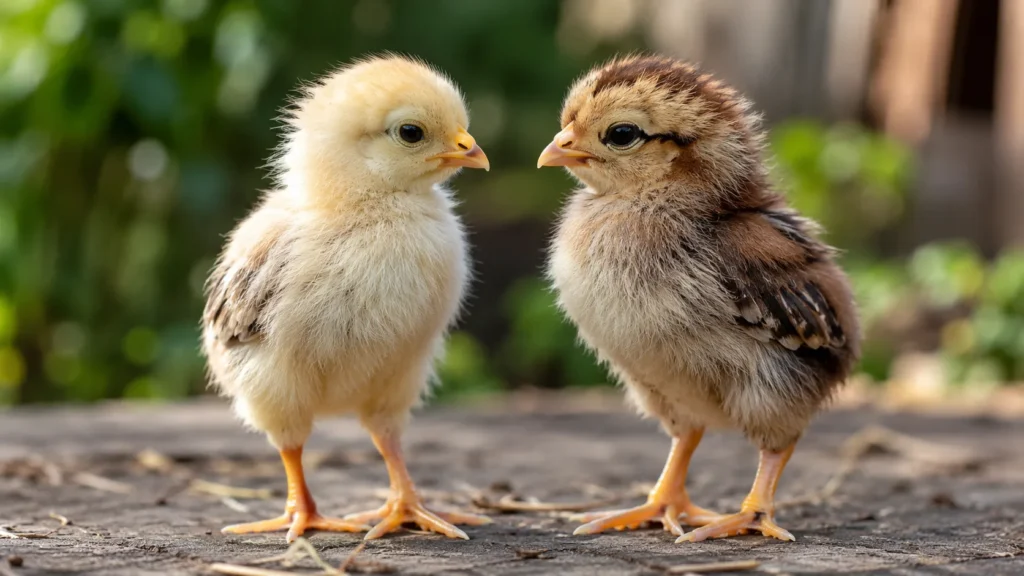
A rooster or hen chick is easiest to identify by combining age, comb development, feathering, leg size, posture, and behavior rather than relying on one sign. Most backyard keepers can make a reasonable guess by 6 to 10 weeks, but some breeds are not clearly sexable until 12 to 16 weeks or until a bird crows or lays an egg.
This guide explains how to evaluate chicks without overpromising certainty. It is written for backyard chicken keepers who bought straight-run chicks, hatched eggs at home, or suspect one of their “pullets” may be turning into a cockerel.
Why Is It So Hard to Tell a Rooster or Hen Chick Early?
Chicks do not hatch with obvious adult male or female traits. A newly hatched cockerel and pullet may look nearly identical unless they come from a sex-linked cross, an autosexing breed, or a hatchery line selected for feather-sexing.
The signs most keepers notice, such as bigger combs, thicker legs, bold behavior, and slower feathering, are useful clues but not guarantees. Breed, individual growth rate, nutrition, temperature stress, and hatch timing can all make one chick develop faster or slower than its siblings.
The expert trick is to compare chicks only within the same breed and hatch group. A large 5-week-old Brahma pullet may look more “rooster-like” than a small Leghorn cockerel, so cross-breed comparisons can lead you badly astray.
Rooster or Hen Chick Checklist: The Best Age-by-Age Method
The most practical method is to score several traits as your chicks grow instead of making a one-day decision. The goal is not to force an answer at 2 weeks, but to watch which signs stack up over time.
Use this checklist once a week in good light. Take clear side photos of each chick so you can compare changes instead of relying on memory.
| Sign to check | Age/Spec | Why it matters |
|---|---|---|
| Comb size and color | Start watching at 3 to 6 weeks | Cockerels often develop larger, pinker combs earlier than pullets of the same breed. |
| Wattle growth | Often visible by 5 to 8 weeks | Early red wattles are one of the more useful clues in single-comb breeds. |
| Leg thickness | Compare siblings from 2 weeks onward | Males often have sturdier legs and larger feet, though heavy breeds can confuse this sign. |
| Feathering speed | Most useful from 1 to 4 weeks | Some cockerels feather more slowly, but this varies by breed and hatchery line. |
| Tail and saddle feathers | Look closely after 8 to 12 weeks | Pointed saddle and sickle feathers are strong rooster indicators as juveniles mature. |
| Posture and stance | Watch from 5 to 10 weeks | Cockerels may stand taller, chest-forward, and more alert than pullets. |
| Behavior | Track from 4 weeks onward | Chest bumping, watchfulness, and early dominance can support other clues but should not decide alone. |
| Voice changes | Usually 8 to 16 weeks, sometimes later | Practice crowing is one of the clearest signs, but not all young roosters crow early. |
How to Tell a Rooster or Hen Chick Step by Step
Start with the source: Check whether your chicks were sold as sexed pullets, straight run, sex-linked, or autosexing. Hatchery-sexed pullets are usually accurate but not perfect, while straight-run chicks are a mix of males and females. If you hatched eggs yourself, assume you may have both until development proves otherwise.
Group chicks correctly: Compare chicks that are the same breed, age, and hatch batch. A chick that looks large next to a smaller breed may still be a pullet. Mark chicks with safe leg bands or photos if several look similar.
Check combs in natural light: Around 3 to 6 weeks, look for combs that are taller, wider, and noticeably pinker than siblings. In many breeds, a pullet’s comb stays pale and small longer. Pea-comb and rose-comb breeds are trickier because their combs do not rise as dramatically.
Look at legs and feet: Pick up each chick gently and compare shank thickness, foot size, and overall bone. Cockerels often feel heavier and more solid for their age. This is only a supporting clue because some pullets are simply robust.
Watch feather development: Slow wing, shoulder, or tail feathering can point toward a male in some lines, while quicker, neater feathering can suggest a pullet. The University of Kentucky Cooperative Extension notes that reliable sexing methods depend heavily on breed and genetics, so treat feather clues as one piece of the picture rather than a universal rule.
Study posture and movement: Young cockerels often stand upright, scan the brooder or run, and step forward when startled. Pullets may be busy, curious, and assertive too, so behavior matters most when it matches physical signs.
Wait for juvenile feather shape: After about 8 to 12 weeks, check the neck and saddle area near the base of the tail. Roosters usually develop narrow, pointed hackle and saddle feathers, while hens keep rounder feather ends. This is much more reliable than early chick behavior.
Confirm with crowing or laying: A crow strongly confirms a cockerel, although rare hens can crow under some flock conditions. An egg confirms a pullet or hen. If you need certainty before keeping or rehoming a bird, wait until several signs line up.
How early can you tell if a chick is a rooster or hen?
You can sometimes tell whether a chick is a rooster or hen at hatch if it is a sex-linked or autosexing breed, but most backyard chicks cannot be judged reliably that early. For typical straight-run chicks, the first useful clues appear around 3 to 6 weeks, with better confidence after 8 to 12 weeks.
Some birds stay ambiguous for months, especially slow-maturing breeds, silkies, and chickens with small comb types. If local rules prohibit roosters, plan ahead rather than waiting until a loud crow creates an urgent problem.
| Option | Best for | What to expect |
|---|---|---|
| Sex-linked chicks | Keepers who need females from day one | Male and female chicks hatch with different color patterns, depending on the cross. |
| Autosexing breeds | Breeders and careful backyard keepers | Sex can often be identified by chick down pattern, but quality of the line matters. |
| Vent sexing | Professional hatcheries | Can be accurate in trained hands, but it is not recommended for beginners. |
| Developmental signs | Most backyard flocks | Requires patience and weekly comparison through the first 2 to 4 months. |
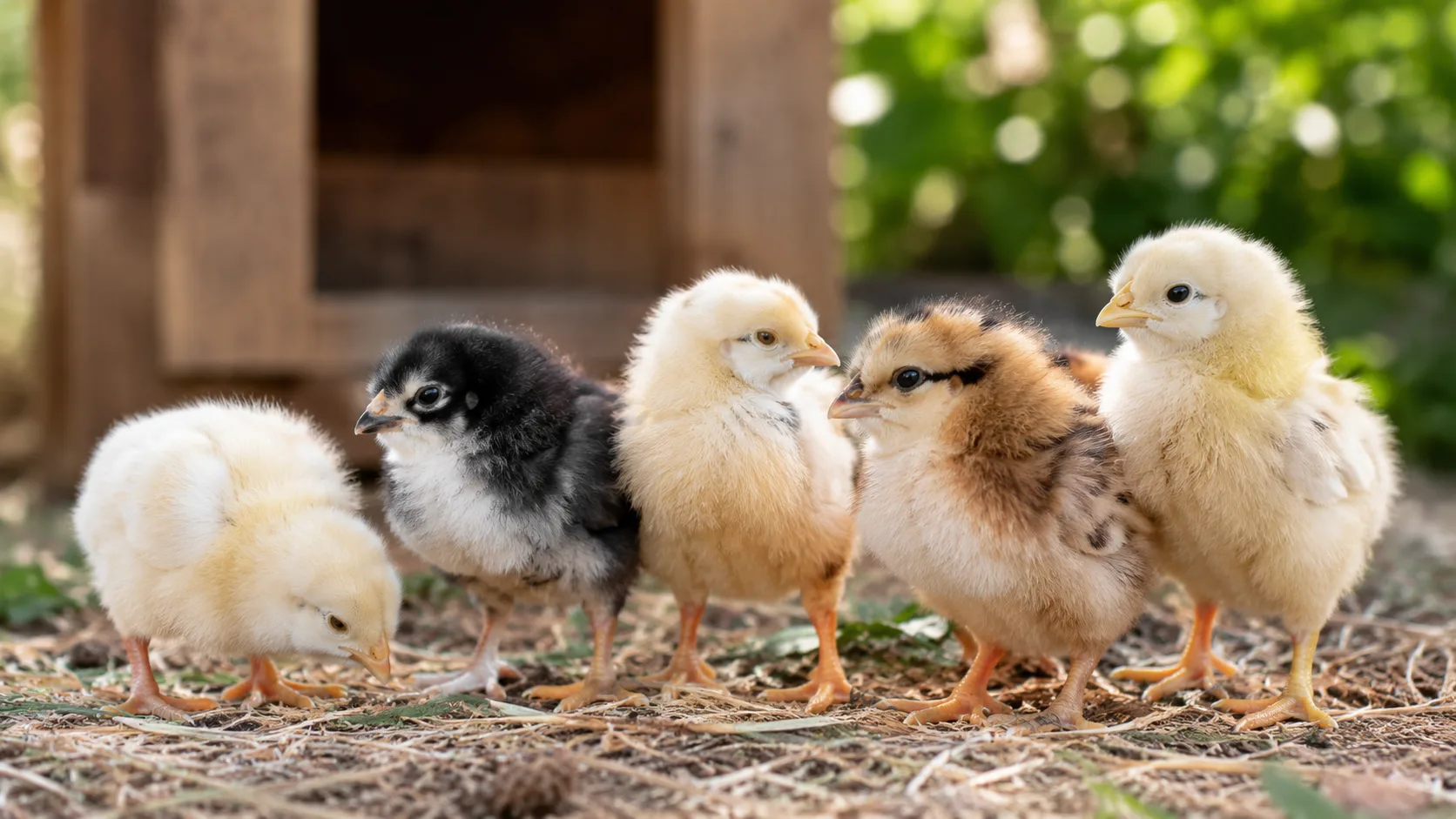
How to Adapt the Method for Different Chicks
For a single-comb breed: Comb and wattle changes are often your best early clues. If one chick has a bright pink comb at 4 or 5 weeks while the others remain pale, put that bird on your watch list. Leghorns, Rhode Island Reds, and many production hybrids can show these differences clearly.
For a pea-comb or rose-comb breed: Do not expect a dramatic upright comb. Instead, compare width, color, leg thickness, posture, and later saddle feathers. Wyandottes, Brahmas, Ameraucanas, and similar breeds can take extra patience.
For bantam chicks: Bantams mature quickly, so behavior and comb color may show earlier than in large fowl. However, their small size can make feather-shape clues harder to see without handling. Watch for early crowing, which can happen surprisingly young in some bantam cockerels.
For silkies and crested breeds: Expect uncertainty. Silkies often hide comb clues under crests, and both sexes can look rounded and fluffy for a long time. In these birds, voice, posture, streamers in the crest, and eventual egg laying may be needed for confirmation.
For mixed-breed chicks: Use the checklist, but lower your confidence until more signs appear. Mixed genetics can scramble feathering speed, comb type, size, and color. If the chick came from a flock with several breeds, focus on the trend over time rather than any one breed rule.
Companion Care While You Wait for Answers
While you are figuring out whether you have pullets or cockerels, keep care steady. Chicks that are cold, crowded, underfed, or stressed may develop unevenly, which makes sexing even harder and can create behavior problems that look like dominance.
Feed a complete chick starter, provide clean water, and keep the brooder dry. If you are still in the early care stage, use Cedar & Cluck’s newborn chick feeding plan to avoid common nutrition mistakes that affect growth.
As chicks mature, you will also need to think about space, integration, and possible rooster management. For a deeper look at the physical and behavior clues, read this practical hen-or-rooster sexing guide alongside your weekly observations.
Common Rooster or Hen Chick Problems and How to Fix Them
| Problem | Likely cause | Easy fix |
|---|---|---|
| You guessed wrong at 4 weeks | Early signs were not developed enough | Recheck at 8, 10, and 12 weeks before making a final call. |
| One chick is aggressive | Normal pecking-order behavior or a bold cockerel | Watch whether physical rooster signs also appear before assuming sex. |
| Combs all look different | Mixed breeds or mixed comb types | Compare only chicks with the same breed background when possible. |
| A suspected rooster has not crowed | Late maturity, low confidence, or flock dynamics | Look for saddle feathers and posture; some cockerels crow late. |
| A pullet-looking bird starts crowing | It was a late-developing cockerel, or rarely a crowing hen | Check saddle feathers, tail shape, and whether eggs are being laid. |
| You may have too many roosters | Straight-run hatch or home hatch ratio | Plan separate housing or rehoming before fighting and overmating begin. |
| Local rules do not allow roosters | City or HOA restrictions | Confirm ordinances early and arrange a backup home before crowing starts. |
Most chick sexing mistakes happen because one clue was treated as proof. Slow down, take notes, and wait until physical development, behavior, and age all point in the same direction.
Long-Term Management Once You Know the Sexes
Once you can identify pullets and cockerels, your flock plan may need to change. Pullets can stay together as future layers, while extra cockerels may need separate housing, rehoming, or careful selection if you want to keep one rooster.
A common backyard ratio is one mature rooster for several hens, but the right number depends on breed, space, temperament, and the individual rooster. Too many males can cause stress, feather loss, fighting, and poor laying, so do not wait until problems are severe.
For animal-care planning, review basic poultry husbandry and welfare principles from the Merck Veterinary Manual poultry section. For chick health and biosecurity basics, the USDA APHIS avian health resources are also useful when bringing in or moving birds.
Frequently Asked Questions
Can you tell a rooster or hen chick by wing feathers?
Sometimes, but only in specific genetic lines bred for feather-sexing. In ordinary backyard chicks, wing feather length can be misleading. Use it as a minor clue, not a final answer.
Do rooster chicks act differently than hen chicks?
Rooster chicks may be bolder, more upright, and more likely to chest bump, but pullets can do these things too. Behavior becomes more useful when it matches comb growth, leg size, and later feather shape. Never rehome a chick based only on attitude.
At what age do roosters start crowing?
Many young roosters start practicing between 8 and 16 weeks, but some crow earlier or much later. Breed, season, flock dynamics, and the presence of older roosters can affect timing. A strange squeaky sound is often the first attempt.
Can a hen chick have a big comb?
Yes, especially in breeds known for large combs or in fast-maturing pullets. Some pullets develop noticeable combs before laying, and the comb may redden as egg laying approaches. Compare her to same-breed siblings and look for rounded feathers.
Are sexed pullets always female?
No. Hatchery sexing is usually very good, but mistakes happen. If one “pullet” develops a large red comb, pointed saddle feathers, and begins crowing, it is likely a cockerel despite the label.
What should I do if I cannot keep a rooster?
Start looking for legal and humane options as soon as you suspect a cockerel. Contact local farms, poultry groups, breeders, or sanctuaries, and be honest about age and temperament. Do not wait until neighbors complain or flock stress escalates.
Your Chicks Will Tell You, Just Not All at Once
Figuring out whether you have a rooster or hen chick takes patience, comparison, and a willingness to revise your first guess. The most reliable answer comes from several signs lining up over time, not from one comb, one feather, or one bold personality.
Keep good notes, care for the whole group well, and make your flock decisions calmly as the birds mature. For more practical chicken-keeping help, visit Cedar & Cluck and keep building a flock that fits your backyard.
