
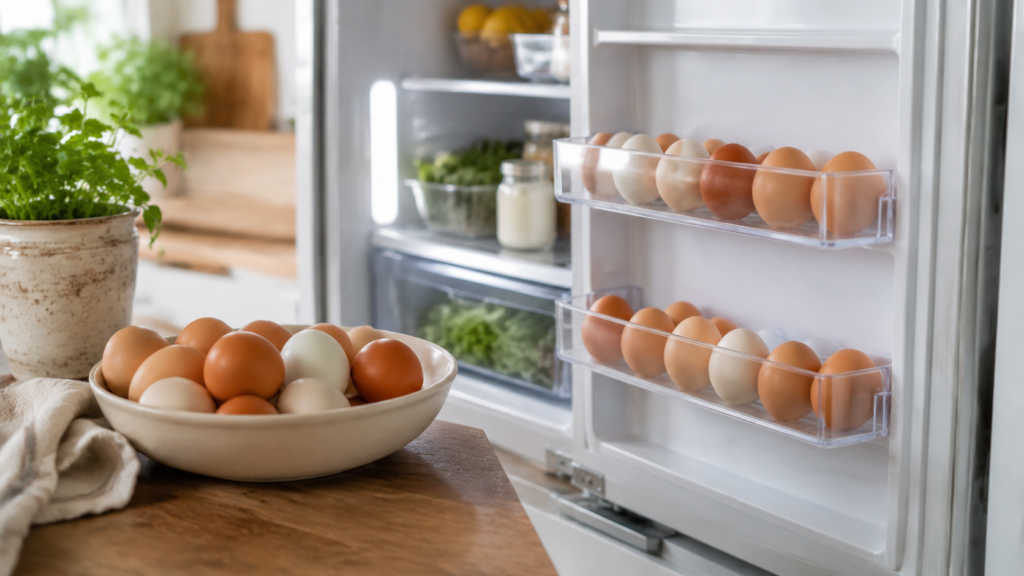
If you want to know how to store fresh eggs, keep unwashed eggs in a clean container at a steady cool temperature, pointy end down, and use the oldest eggs first. If the eggs have been washed or refrigerated, keep them refrigerated and avoid frequent temperature swings.
This guide explains the best storage methods, how long fresh eggs last, what changes after washing, and how to troubleshoot common storage mistakes. It is for backyard chicken keepers who want practical, tested advice that protects egg quality and food safety.
What Makes How to Store Fresh Eggs Different from Storing Store-Bought Eggs?
Fresh eggs from backyard hens often have a natural protective coating called the bloom or cuticle. That coating helps slow moisture loss and limits bacteria entry, which is why many keepers handle unwashed eggs differently from commercial store eggs.
Store-bought eggs are usually washed and sanitized before sale, so refrigeration becomes the standard. Fresh eggs can sometimes be held briefly at cool room temperature if they stay clean and unwashed, but once an egg is washed, chilled, or cracked, the safest plan changes.
The biggest idea is consistency. Eggs last longer when you avoid temperature swings, excess moisture, direct sunlight, and strong odors. An expert tip many new keepers miss: store eggs with the large end up so the air cell stays in a more stable position.
How to Store Fresh Eggs for the Best Quality
The best method depends on whether your eggs are clean, unwashed, and already chilled. For most backyard flocks, the safest and easiest routine is to gather eggs daily, dry-brush off light debris if needed, and refrigerate any egg that is dirty, damp, cracked, or washed.
| Item | Amount/Spec | Why it matters |
|---|---|---|
| Storage container | Clean carton or egg rack | Protects shells from damage and helps keep smells out |
| Temperature | 34–40°F in the fridge | Slows bacterial growth and preserves freshness |
| Egg position | Large end up | Helps keep the yolk centered and air cell stable |
| Egg condition | Unwashed, clean, uncracked | Maintains the natural bloom for better protection |
| Rotation system | First in, first out | Prevents older eggs from getting forgotten in the back |
USDA guidance on eggs and refrigeration supports keeping eggs cold after washing or when safety is uncertain, and that is a good default for most home kitchens. For backyard keepers, a simple rule works well: clean, dry, unwashed eggs can be held cool, but refrigerated eggs should stay refrigerated until use.
Step-by-Step: How to Store Fresh Eggs Safely
1. Collect often: Gather eggs at least once a day, and more often in hot or wet weather. The less time eggs spend in nest boxes, the less chance they have to pick up dirt, moisture, or cracks.
2. Sort by condition: Set aside any egg that is dirty, wet, cracked, or odd-smelling. Use those first if they are sound and safe, and discard any egg that is broken or suspicious.
3. Dry clean lightly: Brush off small bits of bedding or feather dust with a dry cloth or soft brush. Avoid soaking eggs, because water can move bacteria through the shell more easily than dry cleaning can.
4. Refrigerate when needed: If an egg is washed, damp, or heavily soiled, refrigerate it right away. The FDA recommends keeping eggs refrigerated at 40°F or below to slow bacterial growth and reduce food safety risk.
5. Store pointy end down: Place eggs in a carton or tray with the narrow end down and the large end up. This helps protect the air cell and can improve keeping quality over time.
6. Keep eggs away from strong odors: Store eggs in the main body of the refrigerator, not in the door if possible. Eggshells are porous enough to absorb odors from onions, fish, or leftovers when storage is loose or unstable.
7. Use oldest eggs first: Mark cartons with the gather date if you keep several batches at once. A simple rotation system keeps your freshest eggs available and prevents waste.
Can You Keep Fresh Eggs at Room Temperature?
Yes, in some cases you can, but only if the eggs are clean, unwashed, and held in a consistently cool place. The main tradeoff is that room-temperature eggs tend to lose quality faster than refrigerated ones, especially in warm weather or humid rooms.
If you live in a hot climate, have an active kitchen, or want the longest shelf life, refrigeration is the better answer. If you prefer the counter method, keep the eggs out of sunlight, away from the stove, and use them sooner rather than later.
| Option | Best for | What to expect |
|---|---|---|
| Cool room temperature | Very fresh, unwashed eggs used soon | Convenient, but shorter keeping time |
| Refrigerator | Most households and longer storage | Best shelf life and safest default |
| Washed then refrigerated | Eggs with visible dirt or residue | Lower risk, but no returning to room temp storage |
| Frozen as prepared eggs | Long-term use in baking or cooking | Shells must be removed first |
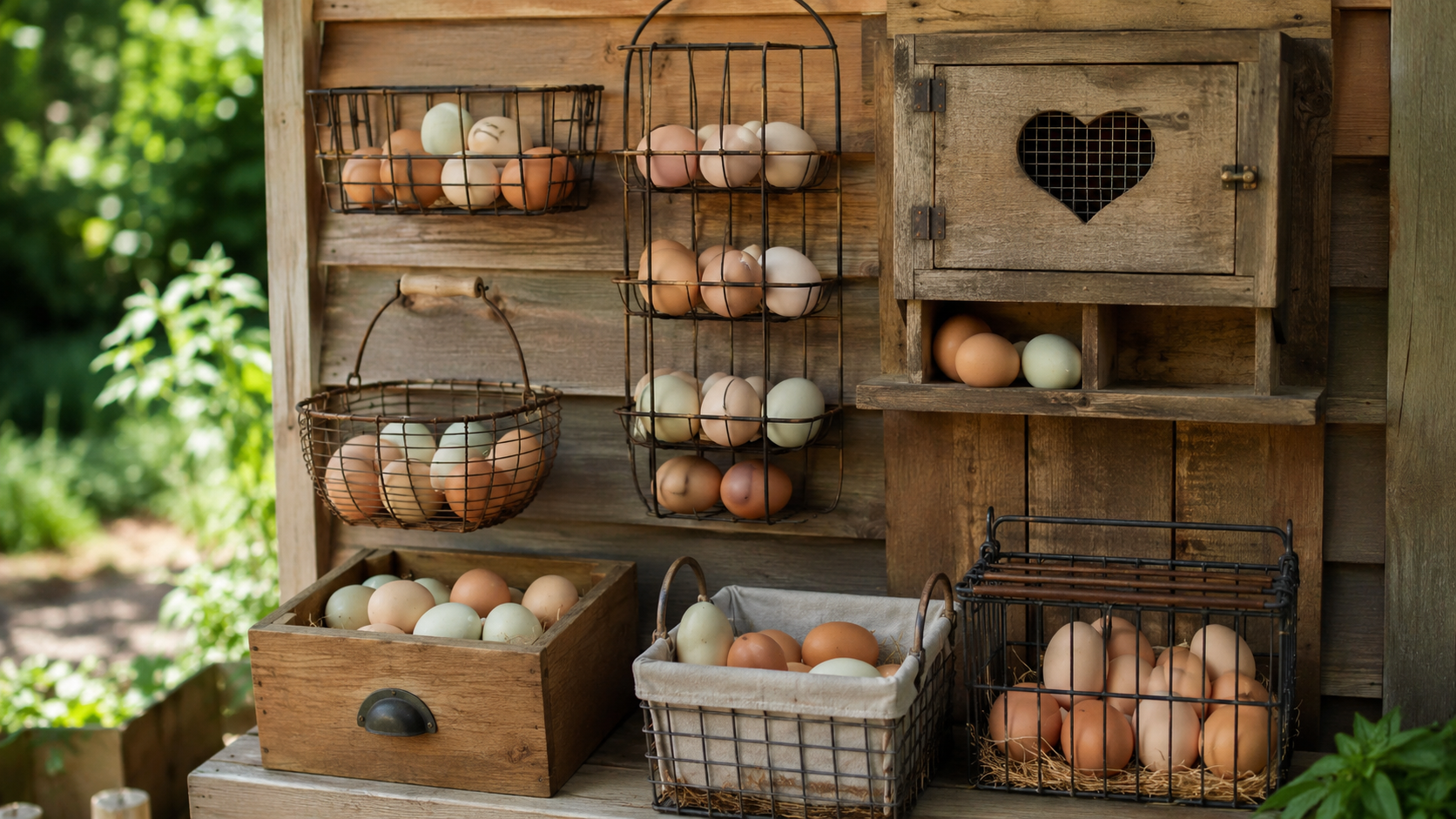
Customization for Different Backyard Egg Setups
For a small flock: Use a single carton with the harvest date written on the lid. A small flock usually produces fewer eggs, so simple labeling and weekly inventory are enough to keep the system organized.
For a summer harvest: Move eggs to a cool indoor spot or refrigerator sooner on very hot days. Warm eggs sweat when they cool, and that moisture can reduce shell protection if you leave them exposed.
For winter storage: Keep eggs away from freezing temperatures and cold drafts. Frozen eggs in the shell can crack, so an unheated shed or garage is only safe if temperatures stay stable above freezing.
For a large laying flock: Use two containers, one for newly collected eggs and one for the oldest eggs in use. This makes it easier to rotate stock when your hens are laying heavily and several family members are collecting eggs.
For households that wash eggs: Wash only when necessary, then dry immediately and refrigerate. Once washed, the egg should be treated like a refrigerated food, not a pantry item.
Related Egg and Coop Advice for Better Storage
Clean eggs start with cleaner nesting areas. If your hens are laying in dirty boxes, read Cedar & Cluck’s chicken nesting boxes guide to reduce mud, manure, and cracked shells before storage becomes a problem.
What your hens eat also affects egg shell strength and quality. For a practical feeding foundation, see what chickens eat so your flock has the nutrients needed for sturdy shells that hold up in storage.
Common Fresh Egg Storage Problems and How to Fix Them
| Problem | Likely cause | Easy fix |
|---|---|---|
| Eggs smell off | Cracked shell or contamination | Discard any egg with odor, slime, or leakage |
| Eggs dry out | Stored too long in warm, dry air | Move to refrigeration and use older eggs first |
| Shells feel gritty | Dirty nesting boxes or bedding | Improve coop cleaning and collect more often |
| Eggs sweat on the counter | Temperature swings from fridge to room air | Keep refrigerated eggs chilled until cooking time |
| Eggs crack in storage | Poor stacking or rough handling | Use a carton and avoid stacking loose eggs |
| Eggs are hard to track | No date labels or rotation system | Label each batch and use first in, first out |
When in doubt, trust the shell, the smell, and your storage routine. Fresh eggs should look clean, feel intact, and be used in a predictable rotation.
Storage and Longevity: How Long Fresh Eggs Last
Eggs last longest when they are kept cold, dry, and uncracked. The USDA FoodKeeper app is a useful reference for general egg storage times, and it reinforces the idea that refrigerated eggs keep quality longer than eggs left at warm room temperature.
As a practical backyard rule, use room-temperature unwashed eggs sooner, and use refrigerated eggs over a longer window if they have been handled safely. Always write down collection dates if you save eggs for more than a few days, because memory is unreliable once several cartons stack up.
If you want to preserve peak flavor, do not store eggs near foods with strong smells, and do not wash them unless needed. The shell’s natural coating and the refrigerator’s stable temperature do most of the preservation work for you.
Frequently Asked Questions
How long can fresh eggs sit out before refrigeration?
If the eggs are clean and unwashed, they can sit in a cool place for a short time, but the safest choice is to refrigerate them as soon as practical. Hot weather shortens that window, so do not leave eggs on the counter all day in summer.
Should fresh eggs be washed before storing?
Not unless they are dirty and need it. Washing removes the protective bloom, so if you wash an egg, dry it completely and refrigerate it right away.
Do fresh eggs need to be refrigerated?
For the best safety and longest shelf life, yes, especially after washing. Unwashed eggs kept in a consistently cool place can be stored briefly without refrigeration, but refrigeration is the safest default.
What is the best container for storing eggs?
A clean carton is one of the best options because it protects shells and makes it easy to label dates. A rack or tray also works if the eggs stay protected from bumps and odors.
Can you freeze fresh eggs in the shell?
No, not safely. If you want to freeze eggs, crack them first and freeze the whites, yolks, or beaten eggs in a freezer-safe container.
How do I know if a stored egg is still good?
Check the shell for cracks or leakage, then smell the egg after cracking it into a separate bowl. If anything smells bad or looks unusual, throw it out.
A Simple Egg Routine That Works
The easiest way to remember how to store fresh eggs is this: collect often, keep them clean and dry, store them consistently cool, and rotate older eggs first. That routine protects both quality and safety without adding much work to your chicken chores.
For more practical backyard chicken help, visit Cedar & Cluck and keep learning with advice built for real flock keepers.
