
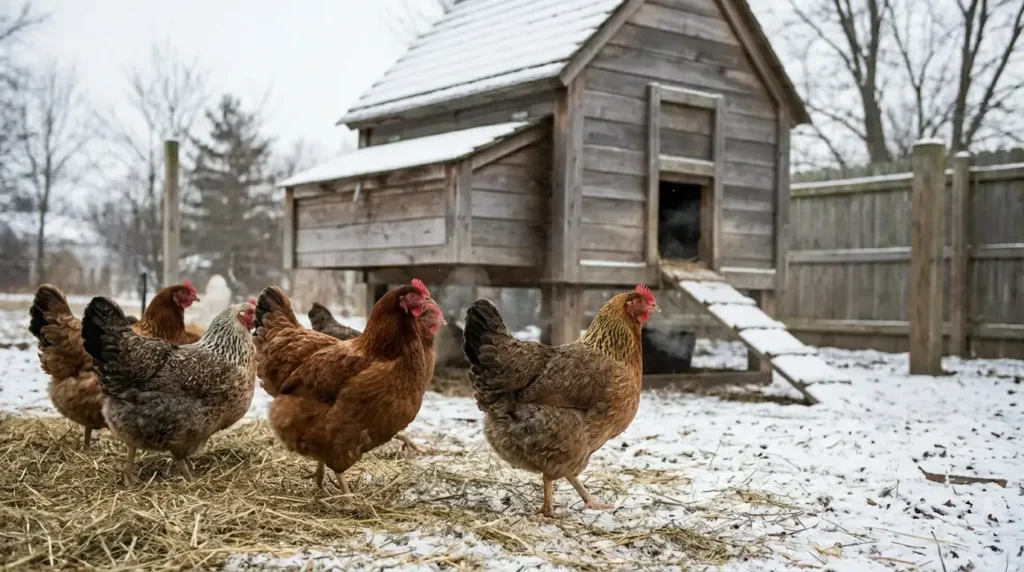
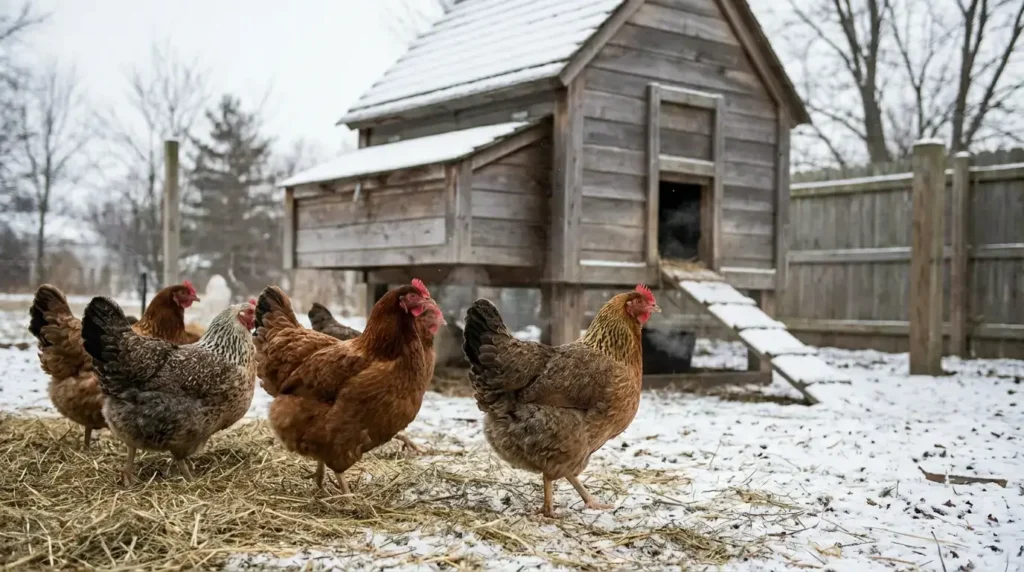
If your egg basket suddenly went empty as the days got shorter, you’re not doing anything wrong — and your hens aren’t broken. Winter slowdown is one of the most normal things in backyard chicken keeping. Here’s exactly why it happens, what’s in your control, and what to expect.
The quick answer
Yes — most hens slow down or stop laying in winter. The main reason isn’t the cold, as people assume. It’s daylight. Hens need roughly 14–16 hours of light a day to keep laying consistently, and as days shorten in late fall and winter, production naturally drops or pauses. For most flocks, laying picks back up on its own as the days lengthen toward spring.
So the short version: it’s mostly normal, mostly about light, and mostly temporary.
Why daylight controls egg laying
Egg production is triggered by light. Light entering a hen’s eye stimulates a gland that releases the hormones driving her to release a yolk and form an egg. When daylight falls below about 12 hours, that hormonal signal weakens, and laying slows. Below 10 hours, many hens stop entirely. This light-dependent laying cycle is part of normal chicken biology.
This is biology, not a health problem. In the wild, it makes perfect sense — raising chicks in the dead of winter would be a losing bet, so hens evolved to pause when daylight says the season is wrong. Your backyard hens are running the same ancient programming.
That’s why the single biggest factor in winter laying is simply how far north you live and how short your days get — not how cold it is.
The other reasons hens stop laying in winter
Daylight is the headline, but a few other things often stack on top of it in the colder months:
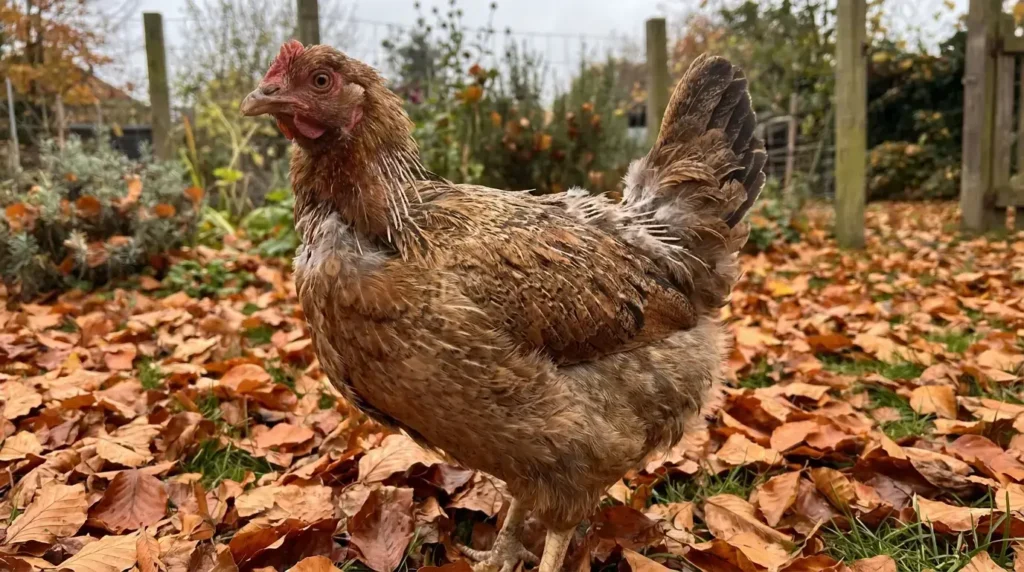
- Molting. Most hens molt (drop and regrow feathers) once a year, usually in fall. Regrowing feathers takes enormous protein and energy, so hens almost always stop laying while they molt. A hen that looks ragged and patchy in October isn’t sick — she’s molting, and eggs will return once her new coat is in.
- Age. Hens lay best in their first two years. Older hens lay fewer eggs overall and are more likely to take winter off entirely. A flock of three-year-olds will go quieter in winter than a flock of pullets.
- Cold stress. Cold itself doesn’t stop laying, but extreme cold makes hens burn energy staying warm rather than making eggs — so production can dip in a hard freeze even with enough light.
- Nutrition. Hens eat more in winter to stay warm, and if their diet is short on protein or calcium, laying suffers. A quality layer feed matters more, not less, in the cold.
- Broodiness or stress. A stressed flock — from predators, a drafty coop, or bullying — lays less in any season, and winter only adds to the load.
Should you add artificial light? (the honest answer)
This is the most debated question in winter chicken keeping, so here’s both sides honestly.
The case for it: Because laying is driven by light, you can keep hens producing through winter by adding artificial light to reach that 14–16 hour total. A simple low-wattage LED on a timer does the job. If you rely on the eggs, this works.
The case against it: Many experienced keepers choose not to. The winter pause gives a hen’s body a natural rest, and some believe pushing year-round production may shorten her overall laying life. It’s a reasonable, welfare-minded choice to simply let the flock rest and accept fewer eggs until spring.
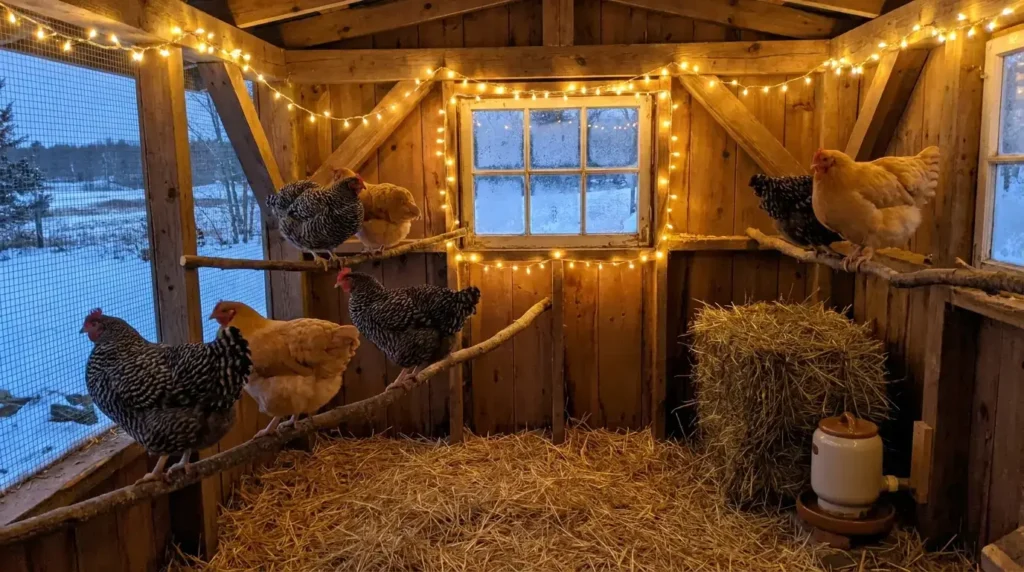
There’s no single right answer — it depends on whether you keep chickens mainly for eggs or as pets. If you do add light, two rules matter: add it in the morning (so the light doesn’t switch off suddenly at night and leave hens stuck off the roost in the dark), and keep it gentle — a small LED is plenty. Never use a heat lamp for this; heat lamps are a serious fire risk in coops.
How to help your hens through winter
Whether or not you add light, these keep your flock healthy and laying as well as the season allows. A dry, well-sized shelter matters most, so it is worth making sure your chicken coop is the right size for your flock before winter sets in:
- Keep them on a good layer feed with adequate protein and calcium.
- Make sure they always have unfrozen water — dehydrated hens stop laying fast.
- Provide a dry, draft-free but ventilated coop (damp and stuffy is worse than cold).
- Keep them active and unbored — a crowded, dull winter coop leads to pecking.
- Be patient with older hens and molting birds — they need the rest.
What’s normal vs. when to worry
A winter slowdown is normal. What’s not about the season — and worth a closer look — is a hen who is lethargic, not eating or drinking, isolating herself, or showing signs of illness. A healthy hen who’s simply stopped laying in December is doing exactly what nature intended. A hen who seems unwell needs attention regardless of the time of year.
For everyone else: expect production to return on its own in late winter or early spring as the days stretch back out. It’s one of the small, reliable rhythms of keeping chickens.
Frequently Asked Questions About Hens That Stop Laying Eggs in Winter
Still wondering why your hens stop laying eggs in winter? Here are the questions backyard keepers ask most.
At what temperature do hens stop laying?
There’s no specific cutoff — cold alone isn’t the trigger, daylight is. Hens handle cold far better than people expect. Extreme cold can dip production because they burn energy staying warm, but a well-fed flock in a dry coop keeps going through normal winter temperatures.
Do chickens need a heat lamp in winter?
For most backyard flocks, no. Chickens are well insulated and tolerate cold well; a dry, draft-free coop matters more than added heat. Heat lamps are also a major coop fire hazard. Reserve supplemental heat for genuinely extreme climates, and never use a heat lamp just to encourage laying.
Will my hens start laying again on their own?
Yes. As daylight lengthens toward spring, most hens resume laying naturally without any intervention.
How many hours of light do hens need to lay?
About 14–16 hours of light per day for consistent production. Below roughly 12 hours, laying slows; below 10, many hens stop.
My young hens still aren’t laying — why?
Pullets that reach laying age in late fall sometimes wait until spring to start, because they’re maturing into shortening days. That’s normal; they’ll begin as the light returns.
The bottom line: hens slowing or stopping in winter is normal and almost always about shortening days, not cold. You can keep them laying with morning supplemental light, or simply let them rest and enjoy the natural break — both are fine. Either way, the eggs come back with the spring sun.
