
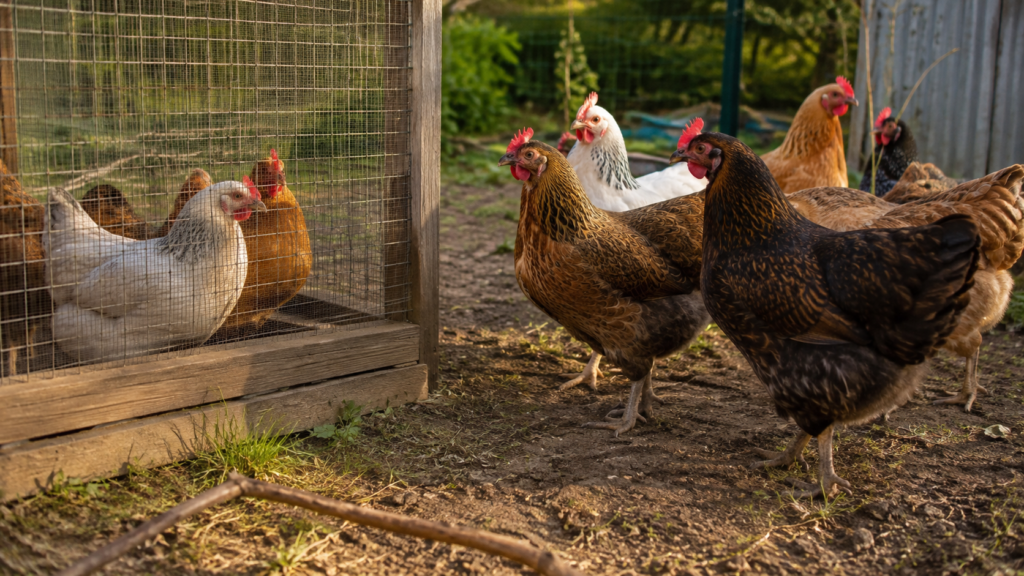
If you want to know how to introduce new chickens to a flock, the safest approach is to quarantine the newcomers first, let the birds see and hear each other before contact, and then mix them in a space with room, feeders, and multiple escape routes. Slow introductions reduce fighting, stress, and injuries, and they give the flock time to settle into a new pecking order.
This guide covers the full process from quarantine to final integration, plus what to do if hens peck, refuse to roost together, or keep chasing one bird. It is written for backyard keepers who want a practical, low-drama method that works in real coops, runs, and small flocks.
Why Does How to Introduce New Chickens to a Flock Matter?
Chickens are territorial, social, and highly aware of group hierarchy. When you add new birds too quickly, the flock often responds with pecking, blocking food, feather pulling, and mounting stress.
A good introduction protects both the new birds and the established flock. It also lowers the chance that a weak bird gets bullied away from food, water, or a safe roost.
The key principle is gradual exposure. Chickens usually accept new flockmates better when they can observe them first, then interact briefly, and finally live together in a neutral or carefully managed space.
One expert tip that many keepers miss: introduce birds at dusk only after the flock has already met through a barrier, because darkness can reduce the first burst of aggression.
The Best Method for How to Introduce New Chickens to a Flock
The safest method is a four-stage introduction: quarantine, sight-and-sound contact, supervised mixing, and full integration. This process gives you time to catch illness, assess behavior, and prevent the new birds from being singled out on day one.
| Stage | Amount/Spec | Why it matters |
|---|---|---|
| Quarantine | 2 to 4 weeks in separate housing | Helps prevent disease spread and gives you time to observe eating, droppings, and breathing |
| Visual contact | Wire fence, crate, or pen within sight of the flock | Lets birds get used to each other without direct contact or injury |
| Shared space | Neutral run or supervised yard time | Reduces territorial behavior tied to the main coop |
| Extra resources | At least 2 feeders, 2 waterers, and multiple hiding spots | Prevents dominant birds from guarding access to basics |
| Night move-in | Integrate after dark once behavior is calm | Helps everyone settle onto roosts with less direct confrontation |
If your flock is small, the process can be faster, but it should still be deliberate. If your flock is already strong-willed or your new birds are much younger, expect a longer adjustment period.
Step-by-Step: How to Introduce New Chickens to a Flock
Step 1: Quarantine the newcomers. Keep new chickens physically separate from the flock for 2 to 4 weeks. Watch for sneezing, mites, diarrhea, limpness, or loss of appetite. This is the stage that protects your existing birds most.
Step 2: Check health before mixing. Make sure the newcomers are eating, drinking, and acting normally before they ever meet the flock. If you see anything suspicious, address it first rather than assuming it will pass. Healthy birds integrate better and are less likely to become easy targets.
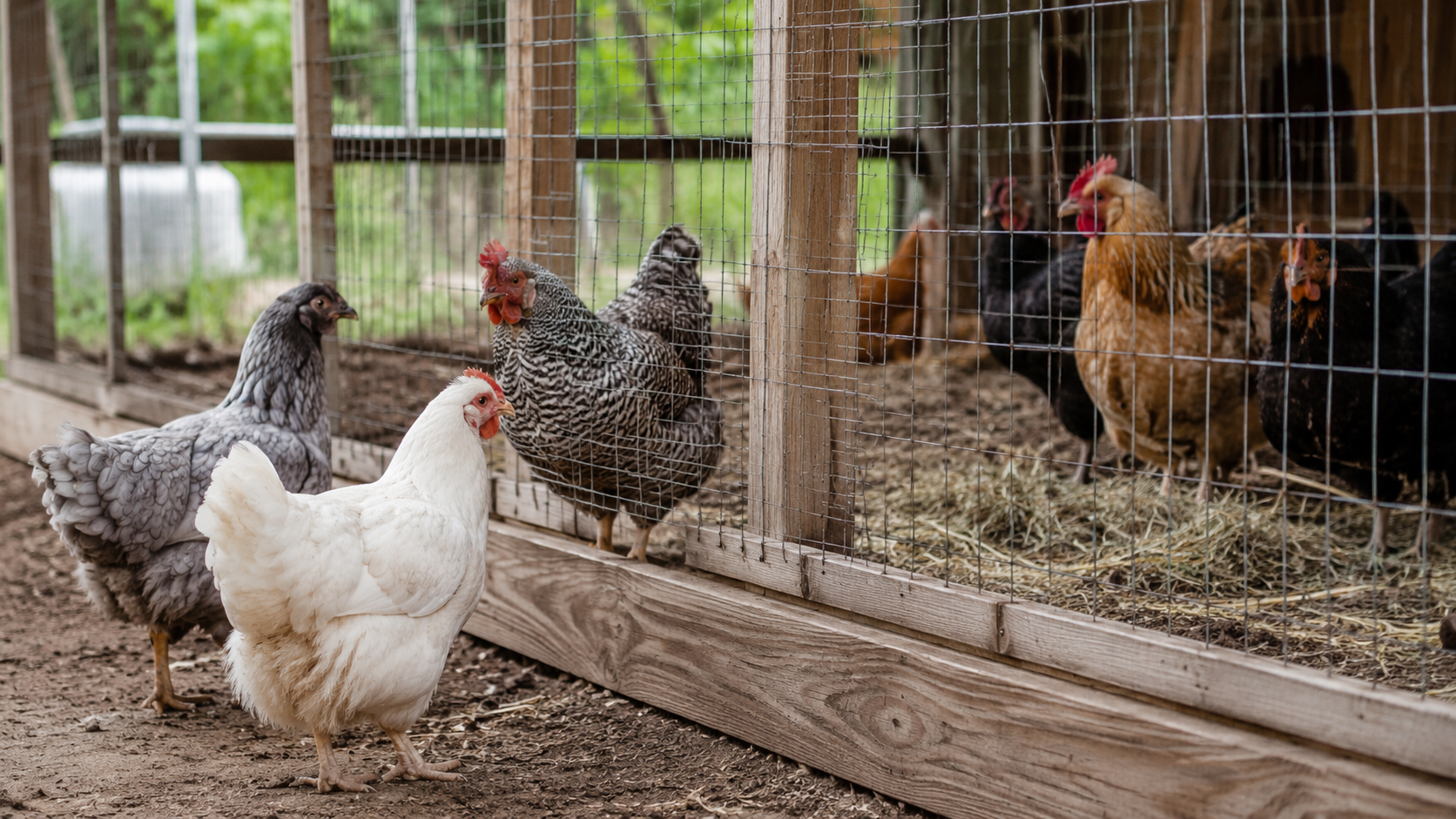
Step 3: Let them see each other safely. Move the new birds into a pen or crate where the flock can observe them, but cannot peck them. Do this for several days so the flock gets used to their shape, voice, and movement. This lowers the shock of first contact.
Step 4: Use controlled shared time. Put both groups together in a run, yard, or other area that does not belong fully to either group. Offer enough space for the birds to move away from each other. According to University of Minnesota Extension guidance on flock management, reducing crowding is one of the best ways to limit aggression.
Step 5: Add distractions and resources. Scatter feed, provide fresh water in more than one place, and include perches, boxes, or low barriers. Chickens are less likely to fight when they have something to do and places to retreat. If one bird guards the feeder, add another immediately.
Step 6: Watch the first real pecking order behavior. Some pecking is normal, but relentless chasing, bloody wounds, or one bird being trapped in a corner is not. Step in early if the aggression escalates. Separate the most aggressive bird briefly if needed, then retry later.
Step 7: Move them into the coop after dark. Once the birds can share a run with only mild squabbling, place them together on the roost after sunset. Darkness helps lower tension during the first night. Check them again in the morning to make sure the weakest bird can reach feed and water.
How Do You Introduce New Chickens to a Flock Without Fighting?
The easiest way to reduce fighting is to make the birds less certain that they own a space. When the introduction happens in a neutral area, the established flock has fewer reasons to defend it aggressively. Slow exposure also helps because chickens rely on familiarity as much as size or age.
Another useful tactic is to introduce more than one new bird at the same time. A lone newcomer often becomes the target, while a pair or trio can share attention and move more confidently.
| Option | Best for | What to expect |
|---|---|---|
| Single bird | Very small flocks or urgent replacements | More pecking pressure and slower acceptance |
| Pair | Most backyard flocks | Better confidence and less bullying than a solo bird |
| Small group | Large coops or balanced age groups | Easier social stability, but you need more space and more feeders |
| Barred introduction | Any flock needing a cautious rollout | Slow but reliable adjustment with less injury risk |
Customization
For a young pullet: Keep her separate from adult hens until she is fully feathered and confident. Younger birds are easier to intimidate, so they need extra hiding places, lower roosts, and a calmer integration pace. If she is much smaller than the flock, start with longer barrier time before any shared run session.
For older hens: Expect slower acceptance because mature birds often defend their routines strongly. Older birds may tolerate new additions better if the newcomers are calm, similar in size, and introduced in daylight with enough room to retreat. Avoid forcing a crowded overnight meeting if the flock is already tense.
For bantams and large breeds together: Mixed-size flocks need more space than most owners expect. A large hen can accidentally injure a bantam even without trying to bully her, so keep feeders low enough for the small birds but spread out enough to prevent cornering. Separate roosting bars can help until everyone settles.
For a rooster in the flock: Watch behavior closely because roosters often control movement and may overfocus on newcomers. A calm rooster can actually reduce chaos, but an aggressive one can make integration worse. If he attacks hard during introductions, slow the process and use more barrier time.
For integrating chicks or teenagers: Do not mix tiny chicks with full-grown hens. Even when the adults are not especially mean, size differences create serious risk. Wait until the younger birds are close in size and feathering before attempting the full flock merge.
Companion Care That Makes Flock Integration Easier
Good integration is easier when the coop and feeding setup already support a crowd. If your housing is too small, too dark, or too easy for one bird to defend, even a careful introduction can go sideways. Before merging birds, make sure your coop setup and space plan are realistic.
It helps to compare your flock size against the space you have, and to think through where hens will lay once the group stabilizes. You can review how big a chicken coop should be before adding more birds, and if egg production is a main reason you’re expanding, read when hens start laying eggs so age and timing are part of the plan.
Common How to Introduce New Chickens to a Flock Problems and How to Fix Them
| Problem | Likely cause | Easy fix |
|---|---|---|
| One bird is constantly chased | Size mismatch or intro happened too fast | Separate briefly, add more space, and retry with barrier time |
| Bullying at the feeder | Too few food stations | Place extra feeders far apart so dominant birds cannot guard one spot |
| Blood or torn feathers | Fighting escalated beyond normal pecking order behavior | Split the injured bird and aggressor until wounds heal and tension drops |
| New birds won’t enter the coop | They feel trapped or outcompeted | Use a calm dusk move-in and add lower roost access |
| Flock becomes noisy and restless | Stress from too much crowding or repeated disruption | Reduce handling, increase run space, and keep the environment predictable |
| New hens still hide after a week | They have not had enough positive shared time | Continue supervised neutral-area sessions and keep resources spread out |
Most integration issues come from rushing, crowding, or underestimating how strongly chickens defend routine. If something looks off, slow down rather than forcing the group together. A few extra days of gradual introduction are much better than weeks of injury or stress.
Storage and Maintenance Tips for a Stable Flock
Once the birds are living together, the goal is to keep the environment consistent. Clean feeders, fresh water, dry bedding, and enough roost space all reduce small conflicts that can snowball into bigger ones. Routine matters because chickens settle faster when their daily rhythm stays predictable.
Cleaning also affects long-term flock health. The USDA’s general biosecurity guidance emphasizes sanitation, limiting disease spread, and avoiding unnecessary exposure between bird groups. That is why quarantine records, coop cleaning, and regular observation are not extra chores; they are part of stable integration.
If the flock is still adjusting, check the coop and run every day for blocked corners, damp litter, or signs that one bird is being excluded. Small corrections early are easier than undoing a bad hierarchy later.
Frequently Asked Questions
How long should new chickens be quarantined before joining a flock?
Most backyard keepers use 2 to 4 weeks. That window gives you time to watch for illness and make sure the newcomers are eating well and acting normally. If you see any signs of disease, wait longer and treat the issue first.
Can I put new chickens in the coop at night?
Yes, but only after they have already had some safe contact through a barrier or in a controlled shared space. Putting them in at night can reduce the first burst of aggression. It is not a shortcut for skipping quarantine or supervision.
Will the old flock always bully new chickens?
No, but some pecking is normal. Chickens establish hierarchy, and that process usually includes brief chasing or pecking. The goal is to prevent sustained attacks, injuries, and food access problems.
Should I introduce one chicken or several at once?
Several at once is often easier if your coop has enough room. A single bird can become a clear target, while a pair or small group usually feels more secure. Just make sure your resources can support the larger addition.
What if my rooster is aggressive during introductions?
Slow the process and use more barrier time. Some roosters are protective, but hard attacks can injure newcomers and create lasting stress. If needed, separate the rooster briefly during the earliest shared sessions.
How do I know the integration is going well?
Look for normal foraging, resting near each other, and only brief pecking. The new birds should be able to reach feed and water without being blocked. If they are still hiding constantly after several days, the process probably needs more time.
A Calm Flock Starts With Patience
When you learn how to introduce new chickens to a flock the right way, the whole process becomes much easier to manage. Quarantine first, let the birds get familiar at a distance, and only then combine them with enough space and resources to avoid constant conflict.
If you want more practical chicken-keeping guidance like this, visit Cedar & Cluck at https://cedarandcluck.com/. The site focuses on real-world advice that helps backyard keepers make confident decisions for healthy, productive flocks.
