
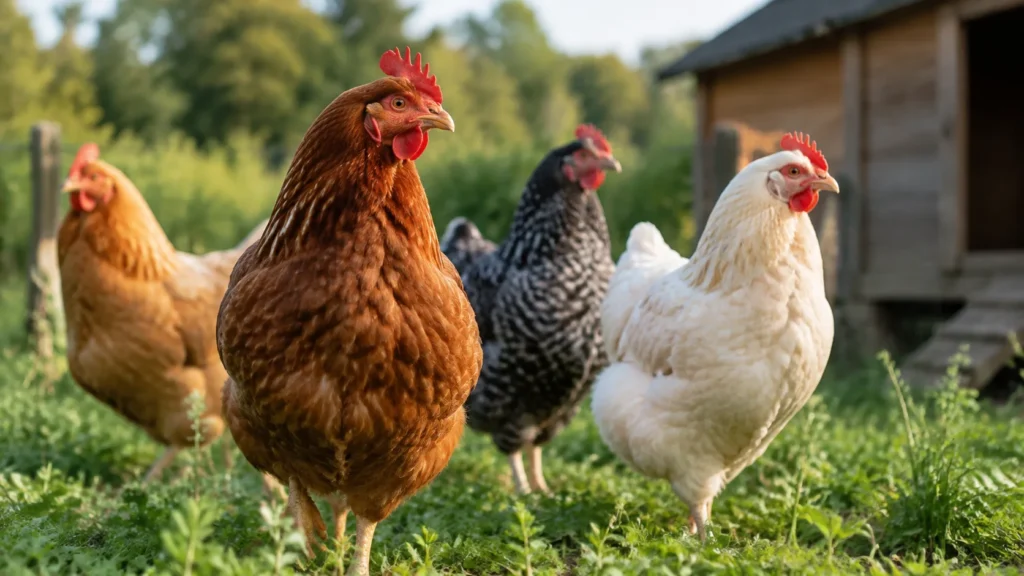
How long do chickens live? A well-cared-for backyard chicken commonly lives about 5 to 10 years, although some hens reach 10 to 12 years or more. Lifespan depends on breed, genetics, nutrition, housing, disease prevention, predators, climate, and whether the bird is raised for eggs or meat.
This guide explains what to expect at each stage of a chicken’s life, why egg production changes with age, and how to give an aging hen appropriate care. It is written for new and experienced backyard keepers who want to plan a healthy flock rather than judge a chicken only by how many eggs it lays.
What Makes a Chicken Live Longer?
A chicken’s potential lifespan is shaped by both biology and daily conditions. Heritage and dual-purpose breeds often mature more slowly and may remain productive for several years, while commercial hybrid layers are selected for exceptionally high early production. That intense output can place greater demands on the body, especially when nutrition, calcium, or rest is inadequate.
Protection matters just as much as genetics. A secure coop, dry bedding, good ventilation, clean water, balanced feed, parasite monitoring, and prompt attention to illness reduce preventable losses. Predators, heat stress, respiratory disease, injuries, and poor flock management can shorten life dramatically even when a bird has otherwise strong genetics.
An often-overlooked tip is to track each chicken’s weight, behavior, and comb color over time. A gradual change from that bird’s normal baseline can reveal illness or nutritional trouble earlier than a quick visual check, particularly in flocks where one hen hides symptoms.
How Long Do Chickens Live? The Lifespan Plan
| Life stage | Typical age and priorities | Why it matters |
|---|---|---|
| Chick | 0–8 weeks; warmth, clean water, starter feed, and protection | Early dehydration, chilling, disease, or poor nutrition can cause permanent setbacks. |
| Pullet | 8–20 weeks; steady growth, safe integration, and gradual transition | Healthy development supports strong bones, immunity, and future laying. |
| Young adult | Approximately 5 months–2 years; peak laying for many hens | This is when nutrition and predator protection are especially important because activity and egg production are high. |
| Mature adult | 2–5 years; balanced feed, flock observation, and routine health checks | Egg output may become less predictable while the bird still has years of companionship ahead. |
| Senior chicken | 5+ years; easier access to food and water, comfort, and monitoring | Older hens may need help competing with younger birds and may show age-related weakness. |
| Breed and purpose | Heritage, ornamental, dual-purpose, hybrid layer, or meat bird | Expected lifespan and productive years vary substantially by selection and production demands. |
These ranges are practical expectations, not guarantees. A backyard hen that lays fewer eggs after her first few years is not necessarily unhealthy. Egg production usually declines gradually, and many older hens continue to contribute to the flock through companionship, brooding behavior, pest control, or social stability.
How to Support a Chicken Through Every Life Stage
1. Start with a healthy bird: Choose active, alert chickens from a responsible source and inspect them before adding them to your flock. Look for clear eyes, smooth breathing, clean feathers around the vent, normal walking, and a good appetite. Quarantine new birds separately before introduction so potential illness does not spread through the established flock.
2. Build a secure home: Provide a dry, draft-protected sleeping area with adequate ventilation above the birds’ heads and enough space to move away from bullying. Lock the flock inside a predator-resistant coop at night, and inspect latches, wire, roofing, and the run regularly. The USDA Animal and Plant Health Inspection Service’s Defend the Flock guidance emphasizes practical biosecurity steps that help reduce disease exposure.
3. Feed for the correct age: Use a complete commercial ration designed for chicks, growers, layers, or maintenance birds rather than relying on scratch grains and scraps. Offer clean water continuously and keep feed dry and protected from rodents. Treats should remain a small part of the diet so they do not dilute protein, vitamins, and minerals.
4. Protect bones and laying health: Laying hens need a dependable calcium source, usually through a complete layer ration and separate free-choice oyster shell when appropriate. Do not force an old or nonlaying hen to consume excessive calcium if her diet is not designed for active laying. For practical feeding guidance, see What to Feed Chickens: A Practical Backyard Feeding Guide.
5. Check the flock routinely: Watch how each bird eats, drinks, walks, breathes, and interacts with flock mates. Once a week, look at the vent, feet, legs, feathers, eyes, and crop without turning the inspection into a stressful event. Early treatment is more likely to help when a chicken is isolated for unusual droppings, lethargy, weight loss, swelling, or breathing changes.
6. Control parasites and sanitation: Replace wet bedding, clean drinkers, remove excess manure, and inspect roosts and cracks for mites. Avoid indiscriminate medication, because the right treatment depends on the parasite, the bird, and whether eggs or meat are intended for consumption. The University of Minnesota Extension guide to raising chickens provides sound small-flock management principles.
7. Manage heat and cold: Heat is often more dangerous than moderate cold, so provide shade, airflow, cool clean water, and room for birds to spread their wings during hot weather. In winter, focus on dry bedding, protection from wind, and ventilation that removes moisture without creating a direct draft. Avoid unnecessary heat lamps, which can cause fires and prevent birds from adapting normally to cold conditions.
8. Plan for senior care: As a hen ages, place food and water where she can reach them without pushing through a crowded group. Add a low roost or ramp if jumping becomes difficult, and consider a calm companion if she is being bullied. A senior bird that stops eating, loses weight quickly, struggles to breathe, or cannot stand needs prompt veterinary advice rather than simply being labeled “old.”
How Long Do Chickens Live in a Backyard Flock?
Most healthy backyard chickens live longer than birds raised in intensive commercial systems because they are not managed solely for maximum short-term production. Still, individual outcomes differ widely. Breed, predator pressure, local disease, climate, access to veterinary care, and the quality of the original stock all affect the result.
| Option | Best for | What to expect |
|---|---|---|
| Heritage breed | Keepers who value longevity and personality | Often slower to mature, with moderate laying and the possibility of a long productive life. |
| Dual-purpose breed | Families wanting eggs and a sturdy general-purpose bird | Usually adaptable and robust, with moderate egg production that tapers with age. |
| Commercial hybrid layer | Keepers prioritizing high early egg numbers | Excellent production in the first years, but lifespan and later laying can vary considerably. |
| Ornamental or bantam breed | Companionship, exhibition, or small spaces | Small size does not automatically mean a longer life; care, genetics, and predator protection remain decisive. |
A chicken’s egg count is not a reliable lifespan clock. Some hens lay heavily and remain healthy, while others produce fewer eggs but live many years. Judge well-being by appetite, mobility, body condition, behavior, and comfort as well as by production.
How to Adapt Care for Different Chickens
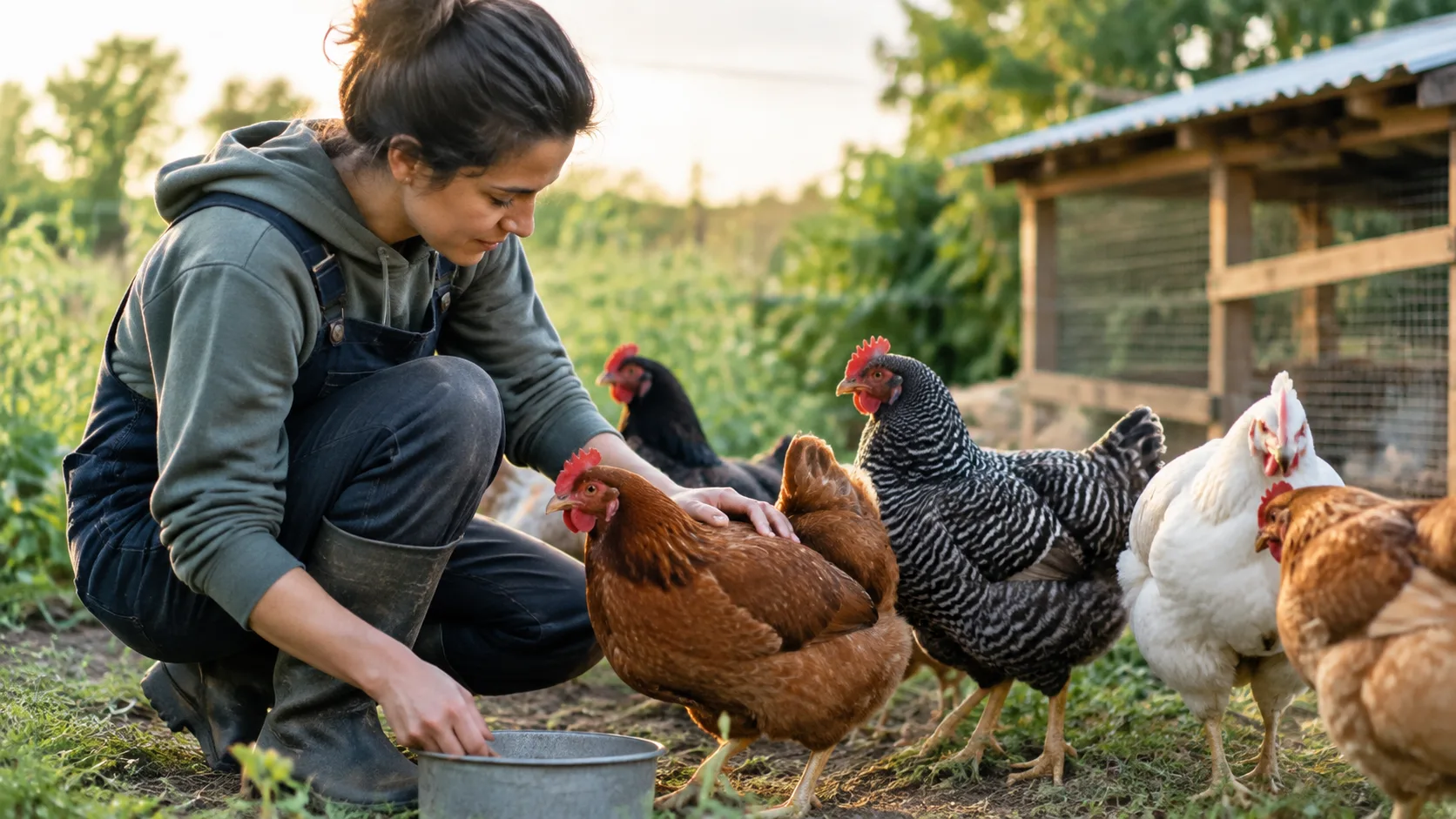
For a first-time flock: Choose a small group of compatible pullets from a reputable source and learn their normal behavior before adding complexity. Begin with secure housing, complete feed, dependable water, and a simple daily observation routine. A smaller flock makes it easier to notice changes and control costs.
For a high-producing layer: Pay close attention to body condition, shell quality, appetite, and signs of fatigue during peak production. Keep calcium available in an appropriate form and avoid replacing balanced feed with large quantities of treats. A sudden decline in laying combined with weakness or weight loss deserves investigation.
For an older hen: Reduce competition by adding more than one feeding and watering point, especially in a large flock. Use a low perch, provide dry footing, and watch for arthritis, poor vision, or bullying. If she remains comfortable and engaged, there is no need to remove her simply because her egg production has slowed.
For a cold-climate flock: Select hardy breeds, keep the coop dry, and prevent water from freezing without creating dangerous electrical conditions. Ventilation is essential because damp air and ammonia irritate the respiratory tract. Check combs and wattles during severe cold, particularly on birds with large exposed surfaces.
For a hot-climate flock: Prioritize shade, airflow, cool water, and reduced crowding. Watch for panting, wings held away from the body, weakness, or collapse, which can indicate heat stress. Move the flock to a cooler area and contact a veterinarian if a bird does not recover promptly.
Related Care That Helps Chickens Reach Their Potential Lifespan
Good housing supports longevity because it lowers stress, injury risk, moisture, and disease exposure. Review Chicken Coop Ventilation: The Simple Setup That Keeps Hens Healthier before winter, and make sure ventilation removes humid air without blowing directly on sleeping birds.
Predator prevention is equally important. Cover runs, bury or secure the lower edge of fencing, close the coop before dusk, and repair gaps as soon as they appear. Routine maintenance is more reliable than trying to respond after a hawk, raccoon, dog, or other predator has already found an opening.
Common Chicken Lifespan Problems and How to Fix Them
| Problem | Likely cause | Easy fix |
|---|---|---|
| Chicken dies unexpectedly | Predator attack, toxin, hidden disease, or heat stress | Inspect the enclosure, remove spoiled feed, review heat protection, and seek veterinary help for unexplained deaths. |
| Older hen loses weight | Dental or crop trouble, parasites, illness, or inability to compete | Separate briefly for observation, offer easy access to complete feed and water, and arrange an examination. |
| Hen is repeatedly bullied | Flock hierarchy, weakness, crowding, or limited resources | Add multiple feeding stations, improve space, and isolate an injured bird until healed. |
| Chicken has breathing changes | Dust, ammonia, respiratory infection, or poor ventilation | Improve airflow, remove wet bedding, isolate the bird, and contact a veterinarian. |
| Egg production drops sharply | Molting, short days, stress, illness, age, or inadequate nutrition | Check feed, water, light exposure, body condition, and symptoms instead of assuming age is the only reason. |
| Bird develops weak legs | Injury, nutritional imbalance, arthritis, or systemic disease | Provide safe footing and easy access to food, then seek professional advice if weakness persists. |
| Coop smells strongly of ammonia | Wet bedding, poor ventilation, or excessive manure buildup | Remove damp material, clean contaminated surfaces, and increase high-level ventilation. |
When a chicken is seriously ill, time matters. Keep the bird warm but not overheated, quiet, and separated from the flock while you arrange veterinary guidance. Do not give human medications or guess at dosages, because some products are unsafe for poultry or can make eggs unsuitable for consumption.
Long-Term Maintenance for a Healthy, Aging Flock
Longevity is built through small tasks repeated consistently. Keep a written flock record with hatch or purchase dates, breed, laying changes, treatments, injuries, weight concerns, and deaths. This helps you recognize patterns and makes it easier to explain symptoms to a poultry veterinarian.
Review the coop and run at least seasonally. Tighten hardware, examine buried fencing, clean feeders and drinkers, remove moldy materials, and check for mites in roost joints. The Merck Veterinary Manual’s poultry resources are a useful reference for recognizing common health concerns, but they do not replace an examination by a veterinarian familiar with poultry.
Make end-of-life decisions based on comfort rather than egg production alone. A hen that is eating, drinking, moving normally, and participating in the flock may be enjoying good quality of life even at an advanced age. Persistent pain, inability to eat or drink, severe breathing difficulty, or prolonged distress requires humane veterinary guidance.
Frequently Asked Questions
What is the average lifespan of a chicken?
Many backyard chickens live about 5 to 10 years with consistent care and predator protection. Some reach 10 to 12 years or more, while others die younger from illness, injury, genetics, or environmental hazards.
Do chickens live longer if they stop laying eggs?
Stopping or reducing egg production does not automatically make a chicken live longer. A hen may lay less because of age, molting, seasonal daylight, illness, or stress, while her overall health can remain good.
What chicken breeds live the longest?
There is no single breed guaranteed to have the longest lifespan. Hardy heritage and dual-purpose breeds are often considered good long-term choices, but individual genetics, housing, nutrition, and disease prevention usually matter more than breed name alone.
Can a chicken live alone?
Chickens are social animals and generally do best with other compatible chickens. If one bird is separated for illness or injury, keep her where she can see and hear the flock when safe, and provide a calm companion if long-term separation is necessary.
How can I tell if my chicken is getting old?
Older chickens may lay less often, develop a paler or rougher comb, move more slowly, sleep more, or show reduced muscle condition. These signs should develop gradually; sudden weakness, weight loss, breathing trouble, or appetite changes should be treated as possible illness.
Should I keep an old hen that no longer lays?
Yes, if she is comfortable, eating, drinking, and able to function safely with the flock. Older hens can remain valuable companions and flock members even when they no longer provide a regular supply of eggs.
Giving Your Hens More Good Years
The best answer to “how long do chickens live” is a range, not a promise: plan for roughly 5 to 10 years, while understanding that individual birds may live shorter or longer lives. Secure housing, balanced nutrition, clean water, careful observation, and prompt response to illness have a greater practical effect than chasing a perfect breed or a specific egg count.
Whether you are choosing your first pullets or caring for a senior hen, Cedar & Cluck can help you make thoughtful, practical decisions for your flock at Cedar & Cluck.
