
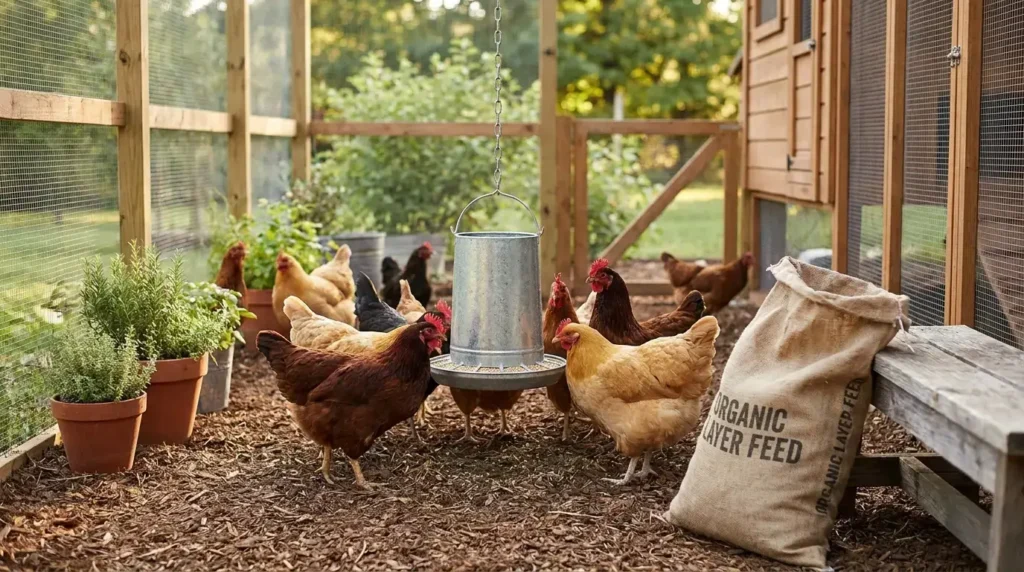
Thinking about starting a backyard flock but not sure what it’ll actually cost? You’re asking the right question first. Chickens are one of the more affordable animals to keep, but the startup bill surprises people — and so does the honest answer to “will they pay for themselves?” Here’s the real breakdown of the cost to keep chickens, in plain numbers.
The quick answer: the cost to keep chickens
For a small flock of 4–6 hens in 2026, expect roughly:
- Startup (one-time): $300–$1,500+ — the coop is the big variable.
- Ongoing: $20–$60 per month — feed is most of it.
- First year all-in: about $700–$1,900, with the average beginner landing around $1,100.
After year one, a small flock typically costs $20–$60 a month to keep. Now let’s see where that money actually goes — because knowing the breakdown is how you control it.
(All figures are 2026 US estimates. Prices vary by region, coop choice, and feed quality; UK and other markets will differ.)
One-time startup costs
These are the upfront purchases you make once (or rarely). The coop is by far the biggest swing — and where you can save the most.
| Item | Typical cost | Notes |
|---|---|---|
| Coop | $300–$2,500+ | Biggest variable. DIY/reclaimed = cheapest; fancy prefab = priciest |
| Run / fencing (hardware cloth) | $50–$150 | Predator-proofing is not optional |
| Feeder + waterer | $30–$60 | Buy decent ones; cheap plastic cracks |
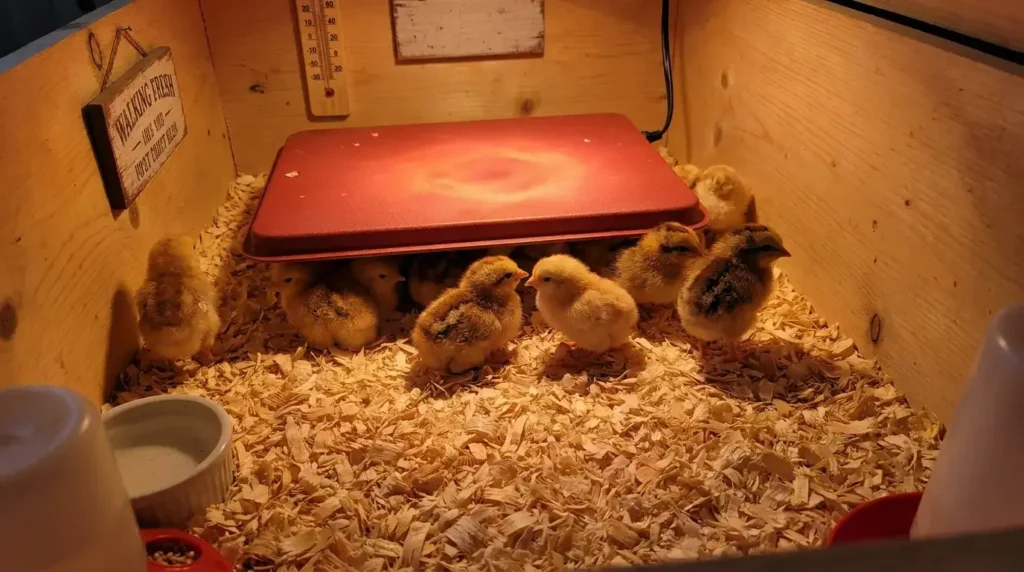
| Brooder setup (for chicks) | $40–$100 | Heat plate, brooder box, chick feeder — only if starting from chicks |
| Initial bedding | $15–$30 | Pine shavings or straw |
| The birds | $3–$100 each | See below |
Total startup: roughly $300–$1,500 for most beginners, depending almost entirely on the coop.
What the birds themselves cost
- Day-old chicks: $3–$5 each (cheapest, but need a brooder and weeks of care before laying)
- Pullets (young hens, near laying age): $15–$25 each (more upfront, laying sooner)
- Laying hens: $20 for common breeds, up to $80–$100 for specialty/rare breeds
For a starter flock of 4–6 birds, budget anywhere from $20 (chicks) to $150+ (pullets of nicer breeds).
Ongoing monthly cost to keep chickens
Once you’re set up, the recurring costs are modest and predictable:
| Item | Monthly cost | Notes |
|---|---|---|
| Feed | $15–$30 | Your biggest ongoing cost |
| Bedding | $10–$15 | Replaced regularly to keep the coop clean |
| Supplements | $2–$5 | Grit and oyster shell (calcium) |
| Misc (treats, repairs) | $5–$15 | Wear-and-tear, the occasional extra |
Total ongoing: about $20–$60 per month for a small flock — roughly $3–$8 per chicken per month.
Feed: your main recurring expense
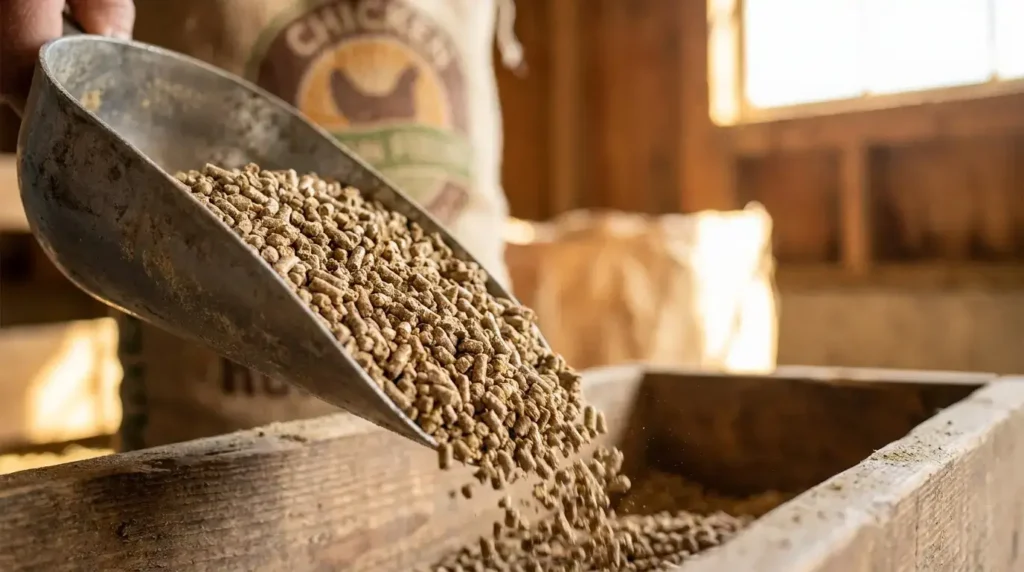
A hen eats about a quarter-pound of feed a day — and more in winter, when she burns energy staying warm. A 50-pound bag of quality layer feed runs around $15–$25 and lasts a small flock two to three weeks. For laying hens, look for 16–18% protein. Organic feed costs noticeably more, so that’s your first lever if you want to trim the budget.
Don’t forget the occasional vet bill
Most backyard flocks spend very little on health in a given year, but it’s worth budgeting for. Owners commonly report vet visits in the $25–$100 range when something does come up, so setting aside $50–$75 a year is realistic.
A sample first-year budget (4–6 hens)
Putting it together for a typical beginner:
- Coop + run: $500
- Feeder, waterer, brooder, bedding: $150
- 5 pullets: $100
- Feed + bedding + extras for the year: ~$350
First-year total: roughly $1,100 — right in line with what most beginners actually spend. Years two onward drop to about $300–$800 a year, since the big one-time costs are behind you.
The honest truth: do chickens save money on eggs?
Here’s what most chicken blogs won’t tell you plainly: for most backyard keepers, chickens do not save money on eggs. When you factor in startup costs spread over the flock’s life, plus feed and bedding, the real cost often lands around $1–$2 per egg over five years. Grocery eggs, even at today’s prices, are usually cheaper per egg.
So if pure savings is your only goal, the math rarely works. The real value is elsewhere, and it’s genuine: eggs that are fresher and better-tasting than anything in a store, knowing exactly how your hens are raised and fed, the gardening and pest-control benefits, the rich compost, and — honestly — the simple enjoyment of keeping them. Most people who keep chickens value those things far more than a few dollars off the grocery bill. Just go in with clear eyes: it’s a rewarding hobby that happens to produce eggs, not a money-saving scheme.
How to lower the cost to keep chickens
If you want to run a leaner flock, the biggest levers are:
- Build or buy a used coop instead of an expensive prefab — this is the single biggest saving.
- Buy feed in bulk and store it properly (dry, sealed, away from rodents).
- Supplement with kitchen and garden scraps to stretch feed (within safe limits).
- Start with hardy, productive common breeds, which cost less to buy and less to keep healthy than rare or delicate ones.
- Keep a right-sized flock — three to six hens gives plenty of eggs without runaway feed costs.
Frequently asked questions
How much does it cost to keep chickens per month?
About $20–$60 a month for a small flock of 4–6 hens, with feed making up most of it. That’s roughly $3–$8 per chicken.
What’s the biggest cost of raising chickens?
Startup-wise, the coop. Ongoing, it’s feed. Both are also where you have the most room to save.
Is it cheaper to raise chickens or buy eggs?
For most people, buying eggs is cheaper per egg once all costs are counted. Chickens win on freshness, quality, and enjoyment — not raw savings.
How much does it cost to start with chickens?
Roughly $300–$1,500 in one-time startup costs for a small flock, depending mostly on your coop choice, plus the birds themselves.
How many chickens should a beginner start with to keep costs reasonable?
Three to six hens. It’s enough eggs for a typical household, keeps the flock social and happy, and avoids the ballooning feed costs of a large flock.
The bottom line: keeping chickens costs around $300–$1,500 to start and $20–$60 a month to maintain a small flock — affordable as livestock goes, but not a way to save money on eggs. For an authoritative overview of raising a backyard flock, the University of Minnesota Extension is a great starting point. Go in for the fresh eggs, the quality, and the enjoyment, budget realistically for year one, and a backyard flock is a genuinely rewarding addition to home life.
