If your hens have suddenly gone quiet, don’t panic. Most laying droughts come down to a handful of everyday causes: too little daylight, molting, age, stress, a broody hen, poor nutrition, hidden eggs, illness, or birds that simply aren’t old enough yet. The good news is that most are completely normal and easy to fix once you know what to look for.
The short version
The most common reasons hens stop laying are too little daylight, molting, age, and stress — all normal and temporary. Less often it’s poor nutrition, a broody hen, hidden eggs, or illness. Work through the list below from most to least likely and you’ll usually find the culprit fast.
1. They’re not getting enough daylight
Egg production is driven by light. Hens need roughly 14 to 16 hours of daylight to lay consistently, which is why laying slows or stops as the days get shorter in fall and winter. This is the single most common reason for a seasonal drop, and it’s completely natural.
2. They’re molting
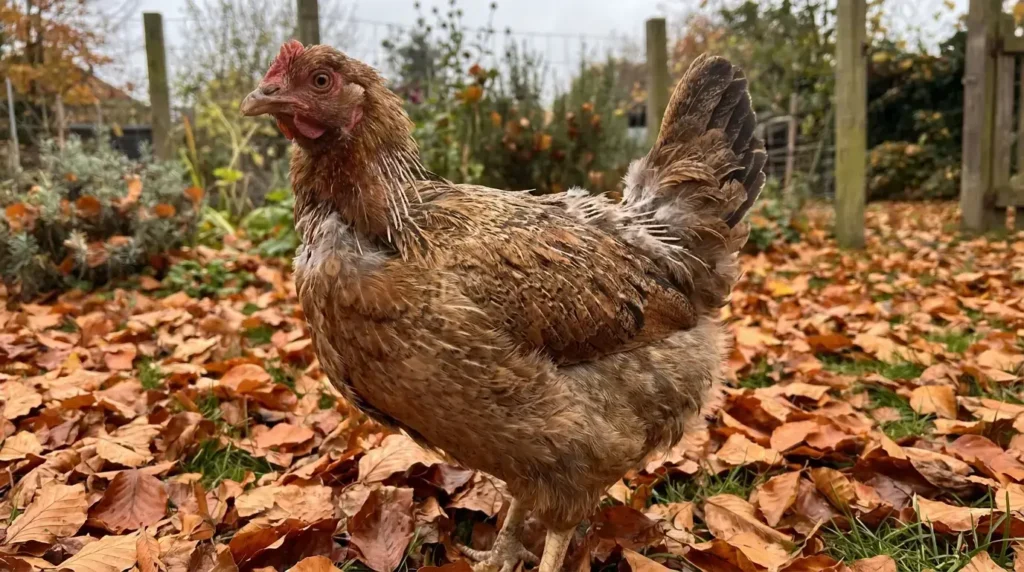
Once a year, usually in fall, hens drop and regrow their feathers in a process called molting. Growing new feathers takes a lot of protein and energy, so most hens pause laying for 6 to 12 weeks while they do it. If you see loose feathers around the coop and patchy-looking birds, a molt is almost certainly the cause.
3. They’re not old enough yet
If your pullets have never laid an egg, they may simply be too young. Most hens start laying between 18 and 22 weeks, though some breeds take longer. Watch for a reddening comb and wattles and a little squat when you approach — those are signs the first egg is close.
4. They’re getting older
Hens lay most heavily in their first two to three years, then production naturally tapers off. An older hen laying two or three eggs a week instead of five or six isn’t a problem — it’s just age. Heritage breeds often keep laying smaller numbers for years.
5. They’re stressed
Stress is a major egg-stopper. A predator scare, a new bird in the flock, a move to a new coop, extreme heat, or even a noisy dog next door can shut laying down for days or weeks. Keep their environment calm, secure, and consistent, and they’ll usually bounce back.
6. One of them is broody
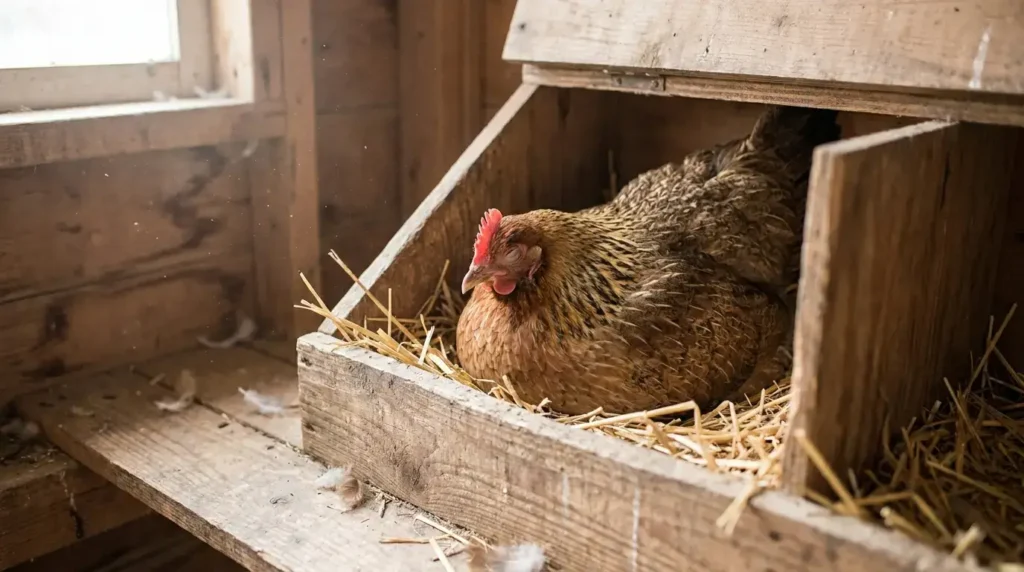
A broody hen wants to hatch eggs, so she’ll sit in the nest box all day and stop laying. You’ll know her by the puffed-up posture and grumpy clucking when you reach under her. Broodiness passes on its own in a few weeks, or can be gently broken by removing her from the nest.
7. Their diet is off
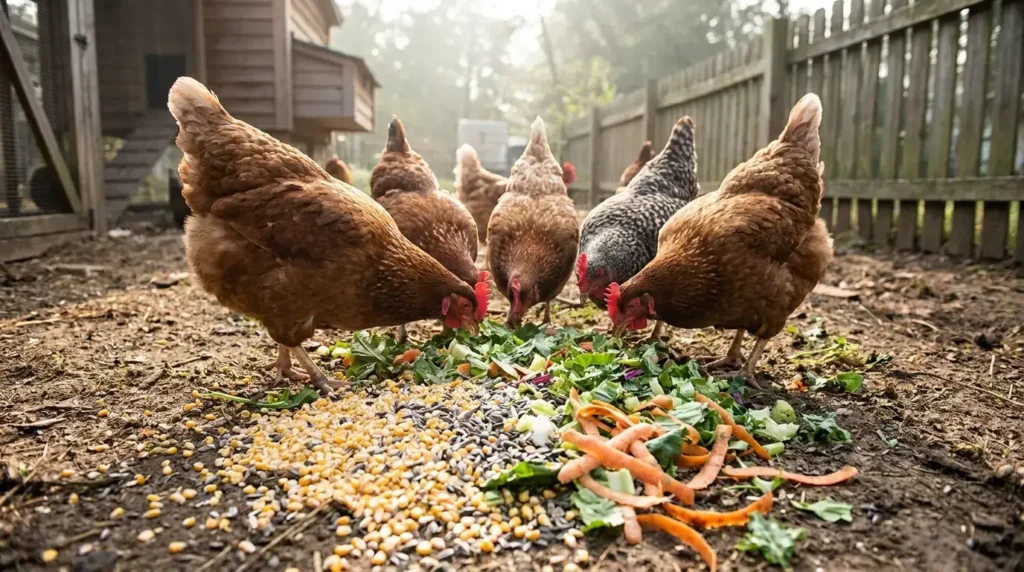
Eggs are demanding to produce, so nutrition matters. Hens that get too many treats, the wrong feed, or not enough protein and calcium will lay less. Make sure laying hens are on a proper layer feed with calcium available on the side — our guide to what chickens eat covers this in detail.
8. They’re hiding their eggs
Sometimes the hens are laying — just not where you expect. Free-ranging birds love to tuck nests under bushes, in corners, or deep in the hedge. Before you assume they’ve stopped, do a hunt around the yard and outbuildings for a hidden stash of eggs.
9. They’re sick or have parasites
If you’ve ruled out the everyday causes, illness or parasites like mites and worms can suppress laying. Look for pale combs, weight loss, lethargy, messy vents, or tiny crawling mites at night. If something seems off, treat the problem or call a vet — a sick hen won’t lay until she’s well again.
How to get them laying again
Work through the likely causes in order: confirm the hens are old enough, rule out molting and short days, reduce stress, check their feed, hunt for hidden eggs, and look for illness last. Most of the time the fix is simple — patience through a molt, more daylight, a calmer coop, or better feed — and the eggs come back on their own.